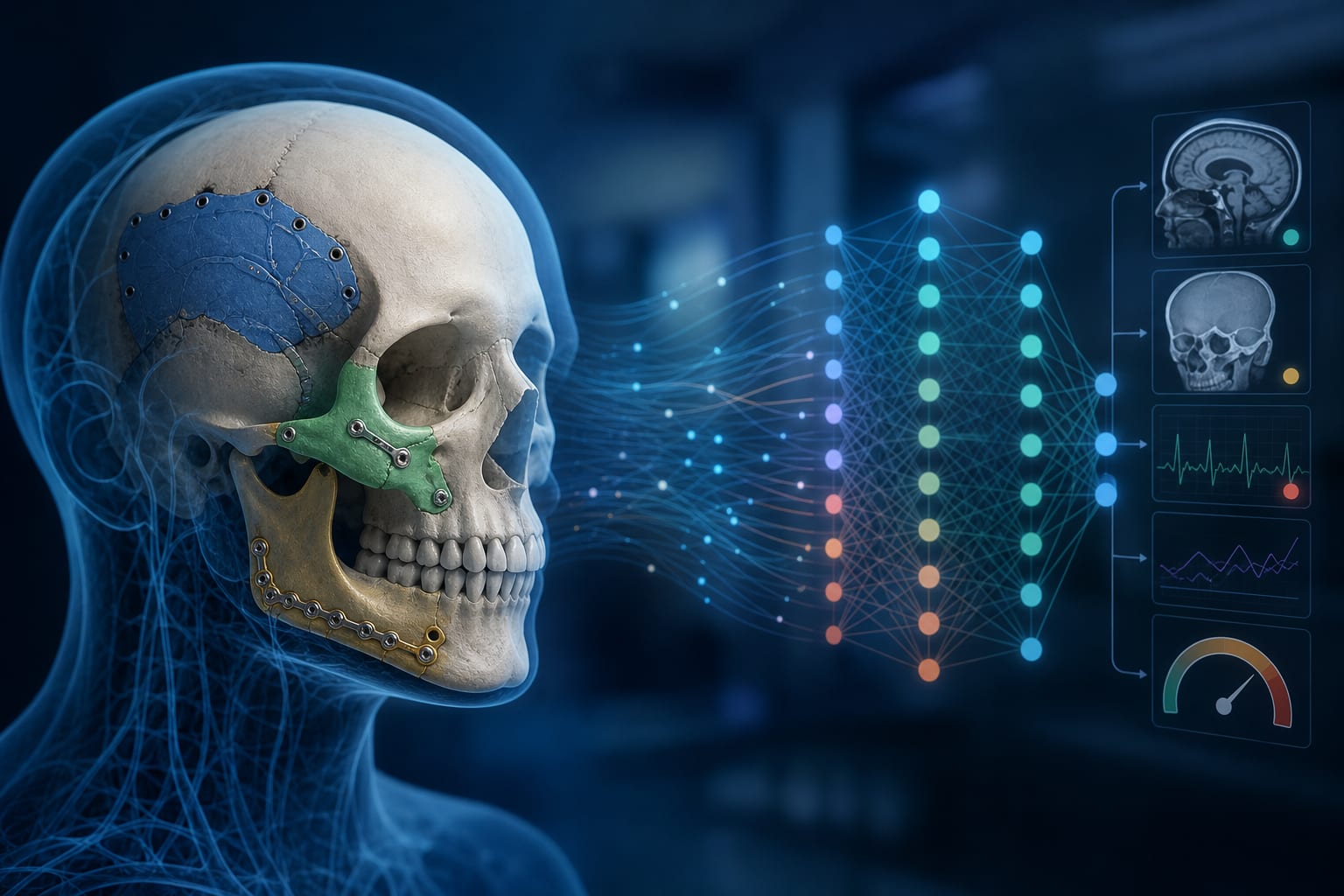
Assessing knowledge and perception of artificial intelligence in solid organ transplantation
-
By
-
Lea Liaigre
-
Dorothee Lombardo
-
Marie-Camille Chaumais
-
Bruno Degano
-
Pierrick Bedouch
-
Sebastien Chanoine
-
July 8, 2026
-
Clinical Scorecard: Evaluating Understanding and Attitudes Toward Artificial Intelligence in Solid Organ Transplantation
At a Glance
| Category | Detail |
|---|
| Condition | Solid Organ Transplantation |
| Key Mechanisms | Integration of artificial intelligence in clinical decision-making and care pathways. |
| Target Population | Patients undergoing solid organ transplantation and healthcare professionals in the field. |
| Care Setting | Healthcare settings involving solid organ transplantation. |
Key Highlights
- Patients reported low declared knowledge of AI (mean 2.4/10).
- Healthcare professionals showed slightly higher declared knowledge (mean 3.8/10).
- Both groups expressed positive perceptions of AI in solid organ transplantation.
- Concerns included dehumanization of care and potential errors.
- Patients viewed AI as a complement to healthcare professionals.
Guideline-Based Recommendations
Diagnosis
Management
Monitoring & Follow-up
Risks
Patient & Prescribing Data
Solid organ transplantation patients in France.
Limited awareness of AI applications in solid organ transplantation among patients.
Clinical Best Practices
- Implement targeted educational interventions to improve understanding of AI.
- Address concerns related to dehumanization and errors in AI applications.
Related Resources & Content