Is This the New Norm?: Large Pupils and Visual Performance
Explore how pupil size impacts night vision and discover therapeutic strategies for improvement, as presented in a compelling clinical case.
Clinical Scorecard: Is This the New Norm?: Large Pupils and Visual Performance
At a Glance
Category Detail
Condition Pupil size affecting visual quality Key Mechanisms Larger pupils increase peripheral optical aberrations, reducing contrast sensitivity and increasing glare. Target Population Patients experiencing night vision difficulties, including presbyopes. Care Setting Optometric practices and clinical settings.
Key Highlights
Larger pupils under dim light can worsen visual acuity due to increased optical aberrations. Simple tests can identify pupil-related vision issues. Brimonidine can reduce pupil dilation, improving night vision. Pharmacologic treatments like pilocarpine are approved for presbyopia correction. Dynamic pupil management strategies are evolving for tailored patient interventions. Guideline-Based Recommendations
Diagnosis
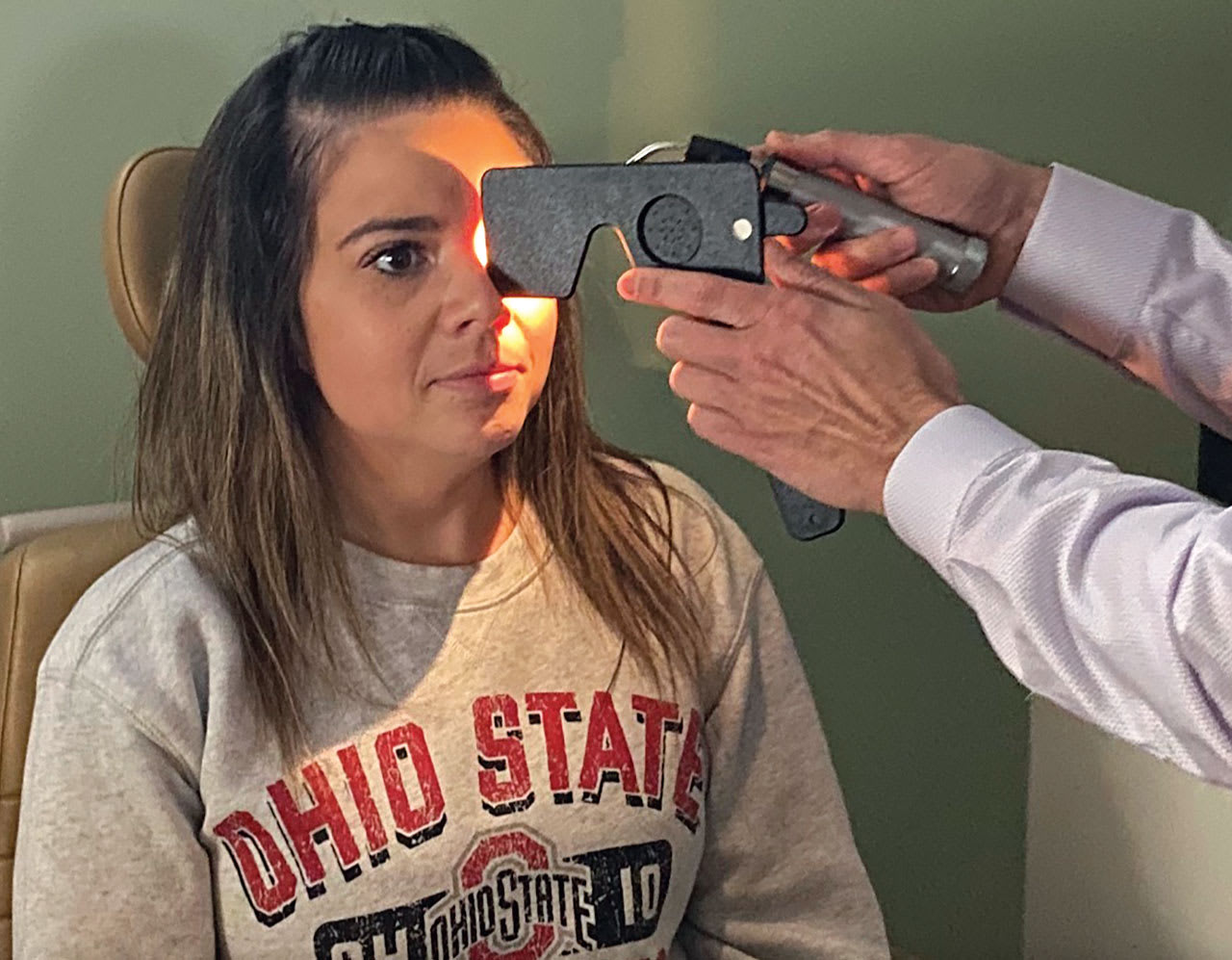
Assess visual acuity in low illumination with a light shone in the nontested eye. Management
Utilize brimonidine eye drops to reduce pupil dilation before contact lens application. Monitoring & Follow-up
Evaluate visual performance under varying light conditions. Risks
Increased glare and halo effects due to larger pupil size. Patient & Prescribing Data
Patients with night vision disturbances, particularly those with large pupils.
Brimonidine 0.025% can enhance night vision by reducing pupil size.
Clinical Best Practices
Conduct wavefront aberrometry and pupillometry for objective evaluation of aberrations. Consider pharmacologic options for managing presbyopia and pupil size. Related Resources & Content