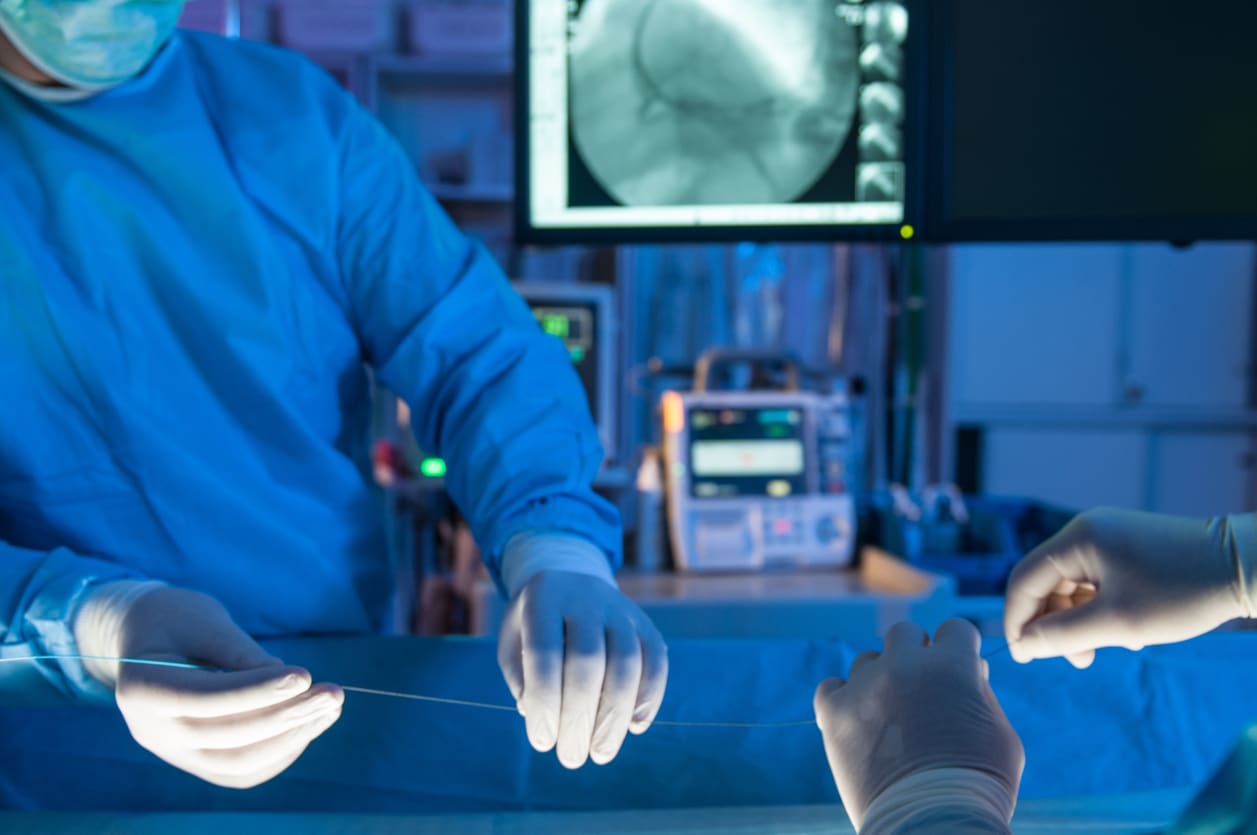
Next-Generation Vascular Surgery: Bridging Expertise and Innovation
Vascular surgery continues to evolve as new endovascular technologies, hybrid procedures and emerging applications of artificial intelligence expand how physicians can approach complex vascular disease.
Clinical Scorecard: Next-Generation Vascular Surgery: Bridging Expertise and Innovation
At a Glance
Category Detail
Condition Complex Vascular Disease Key Mechanisms Endovascular technologies, hybrid procedures, artificial intelligence Target Population Patients with complex vascular conditions including carotid disease, aortic aneurysms, and peripheral arterial disease Care Setting Vascular surgery clinics and specialized vascular care centers
Key Highlights
Individualized treatment approaches using open, endovascular, and hybrid techniques Expansion of limb-salvage techniques for advanced peripheral arterial disease Integration of artificial intelligence in imaging and decision-making Hybrid surgery combining open and minimally invasive techniques Importance of early specialty evaluation for complex cases Guideline-Based Recommendations
Diagnosis
Utilize advanced imaging techniques to evaluate vascular conditions Management
Tailor treatment strategies based on patient anatomy and comorbidities Monitoring & Follow-up
Implement lifelong monitoring for patients post-intervention Risks
Consider patient-specific risks when choosing between open and endovascular procedures Patient & Prescribing Data
Patients with complex vascular disease requiring individualized treatment
Newer techniques such as percutaneous deep vein arterialization may provide alternatives for limb preservation
Clinical Best Practices
Combine open and endovascular techniques in hybrid surgery for complex cases Use AI to enhance imaging and treatment decision-making Evaluate patients early for potential advanced treatment strategies Related Resources & Content