Evaluation of CD16, CD32, CD40, and CD152 polymorphisms in immune thrombocytopenia patients: a systematic review, meta-analysis, and trial sequential analysis - Scorecard - MDSpire
Advertisement
Evaluation of CD16, CD32, CD40, and CD152 polymorphisms in immune thrombocytopenia patients: a systematic review, meta-analysis, and trial sequential analysis
Clinical Scorecard: Analysis of Genetic Variants in CD16, CD32, CD40, and CD152 Among Patients with Immune Thrombocytopenia: A Systematic Review and Meta-Analysis with Trial Sequential Assessment
At a Glance
Category
Detail
Condition
Immune Thrombocytopenia (ITP)
Key Mechanisms
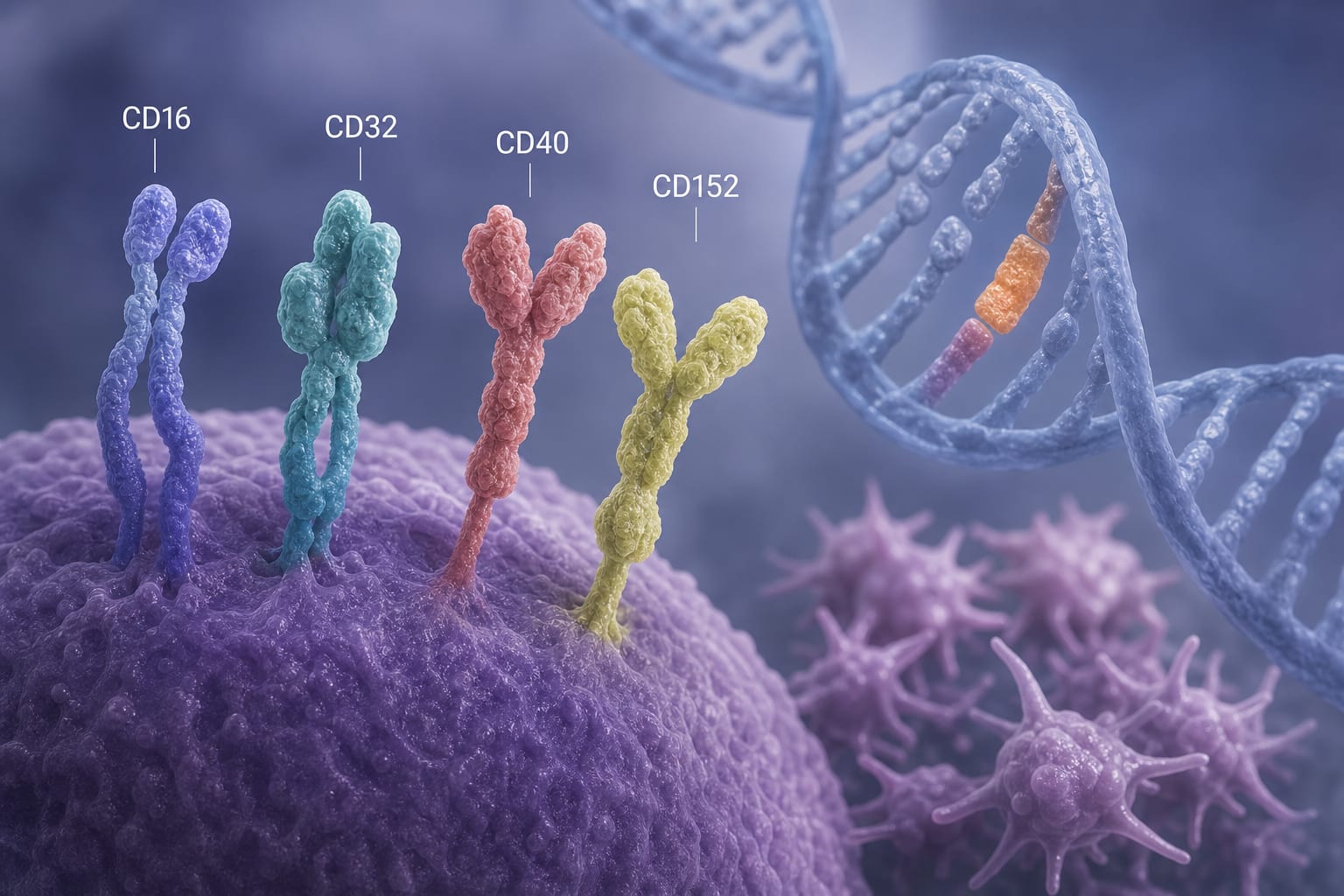
Genetic polymorphisms in CD16, CD32, CD40, and CD152 associated with immune regulation.
Target Population
Patients with immune thrombocytopenia, particularly younger adults and children.
Care Setting
Clinical research and genetic analysis.
Key Highlights
FcγRIIIA-158 F/V polymorphism linked to increased risk of ITP.
No significant associations found for several other polymorphisms.
Study included 33 studies in qualitative and quantitative analyses.
Heterogeneity observed in multiple genetic frameworks.
Need for further studies to confirm findings.
Guideline-Based Recommendations
Diagnosis
ITP is a diagnosis of exclusion after ruling out other causes of thrombocytopenia.
Management
Consider genetic testing for polymorphisms in CD16, CD32, CD40, and CD152.
Monitoring & Follow-up
Monitor for comorbid conditions such as hematologic malignancies and cardiovascular disease.
Risks
Increased risk of thrombosis and complications related to treatment.
Patient & Prescribing Data
Individuals diagnosed with immune thrombocytopenia.
Intravenous immunoglobulin may be used to suppress hyperactive immune responses.
Clinical Best Practices
Conduct thorough genetic assessments in ITP patients.
Regularly evaluate for potential comorbidities in patients with chronic ITP.