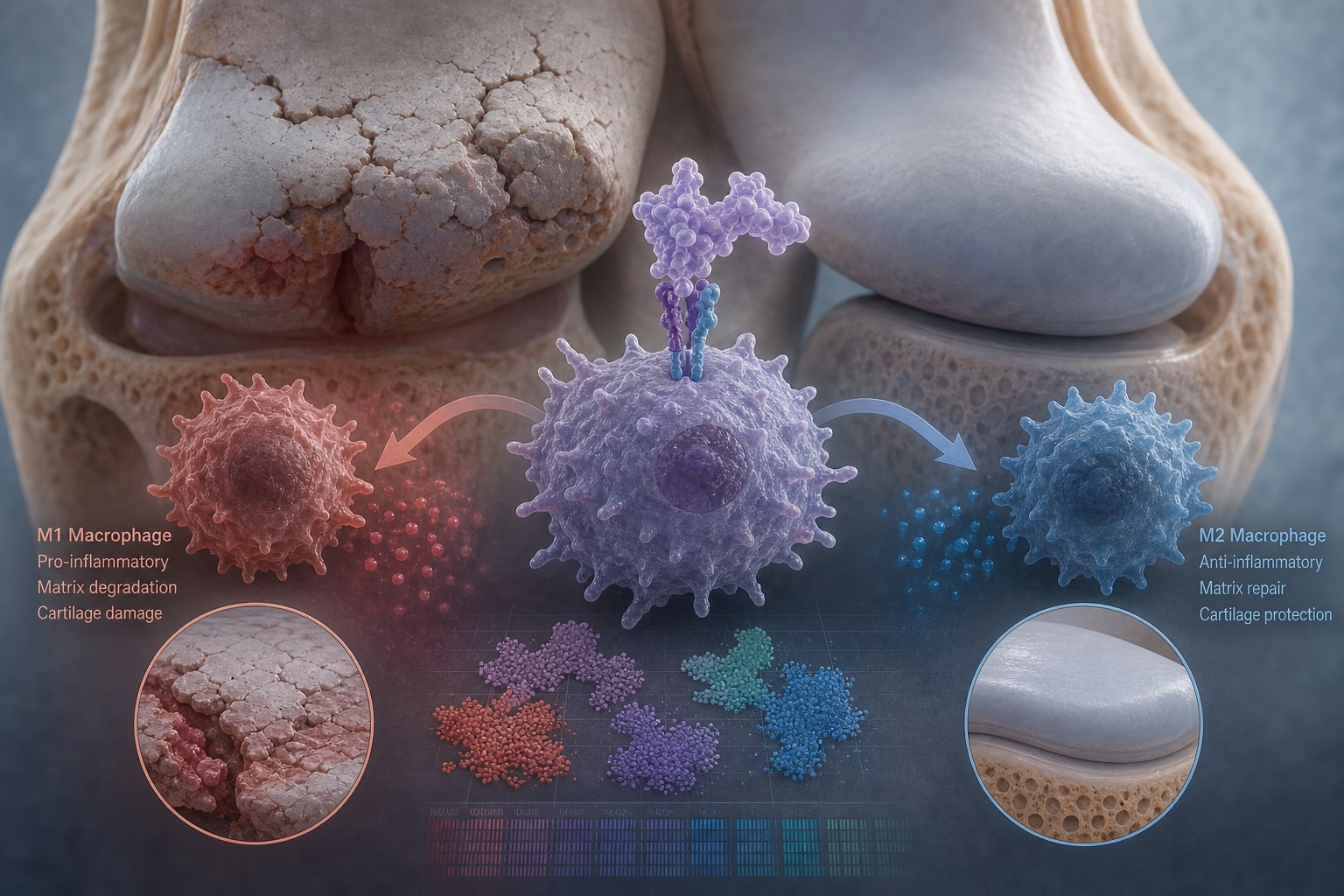
Clinical Scorecard: Therapeutic Approaches for Osteoarthritis in the Context of Inflammaging
At a Glance
Category
Detail
Condition
Osteoarthritis (OA)
Key Mechanisms
Senescence-associated secretory phenotype (SASP) drives chronic inflammation and cartilage degradation through pro-inflammatory cytokines and proteases.
Target Population
Older adults experiencing osteoarthritis.
Care Setting
Clinical management of osteoarthritis.
Key Highlights
SASP contributes to chronic inflammation and cartilage degradation in OA.
Key pro-inflammatory cytokines include IL-1, TNF, and IL-6.
Pharmacological approaches like anakinra, metformin, and rapamycin show potential in OA management.
MicroRNA modulation and CRISPR/Cas9 editing are emerging therapeutic strategies.
Inflammatory signaling pathways such as NF-κB and MAPK/p38 are critical in OA pathogenesis.
Guideline-Based Recommendations
Diagnosis
Assess clinical symptoms and imaging findings to diagnose OA.
Federal prosecutors allege that a Florida physician and research staff fabricated clinical trial records that were submitted into database systems used to evaluate investigational drugs.