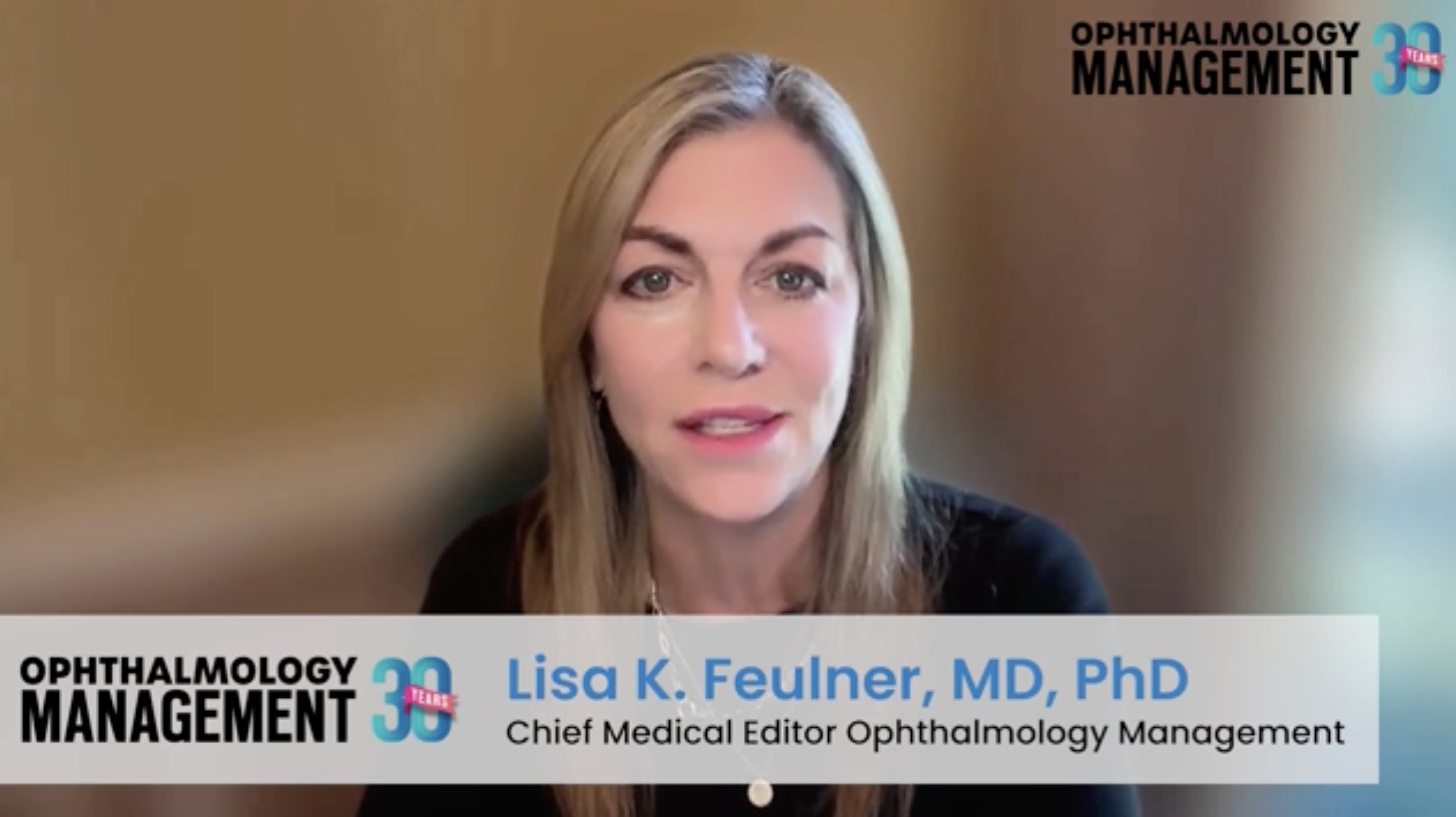
Celebrating Ophthalmic Innovation
Ophthalmology Management Chief Medical Editor Lisa Feulner, MD, PhD, introduces the publication’s 30th anniversary celebration of innovation.
Clinical Scorecard: Celebrating Ophthalmic Innovation
At a Glance
| Category | Detail |
|---|
| Condition | Ophthalmic Diseases |
| Key Mechanisms | Technological advancements in diagnostics and treatment |
| Target Population | Patients with ophthalmic conditions |
| Care Setting | Ophthalmology practices |
Key Highlights
- Cataract surgery has evolved to highly precise refractive techniques.
- OCT has transformed the diagnosis and management of retinal disease and glaucoma.
- MIGS procedures have improved safety and intervention opportunities in glaucoma.
- Anti-VEGF therapy has changed the management of retinal diseases.
- Emerging technologies include AI-assisted diagnostics and teleophthalmology.
Guideline-Based Recommendations
Diagnosis
- Utilize advanced diagnostic technologies such as OCT, corneal topography, and tomography.
Management
- Incorporate MIGS procedures and anti-VEGF therapy in treatment plans.
Monitoring & Follow-up
- Employ personalized care strategies for early disease identification and accurate monitoring.
Risks
- Consider the safety profiles of new interventions compared to traditional methods.
Patient & Prescribing Data
Individuals with cataracts, glaucoma, and retinal diseases
Focus on optimizing visual function and quality of life through personalized treatment approaches.
Clinical Best Practices
- Adopt precision and patient-centered outcomes in ophthalmic care.
- Integrate new technologies effectively into practice management.
Related Resources & Content