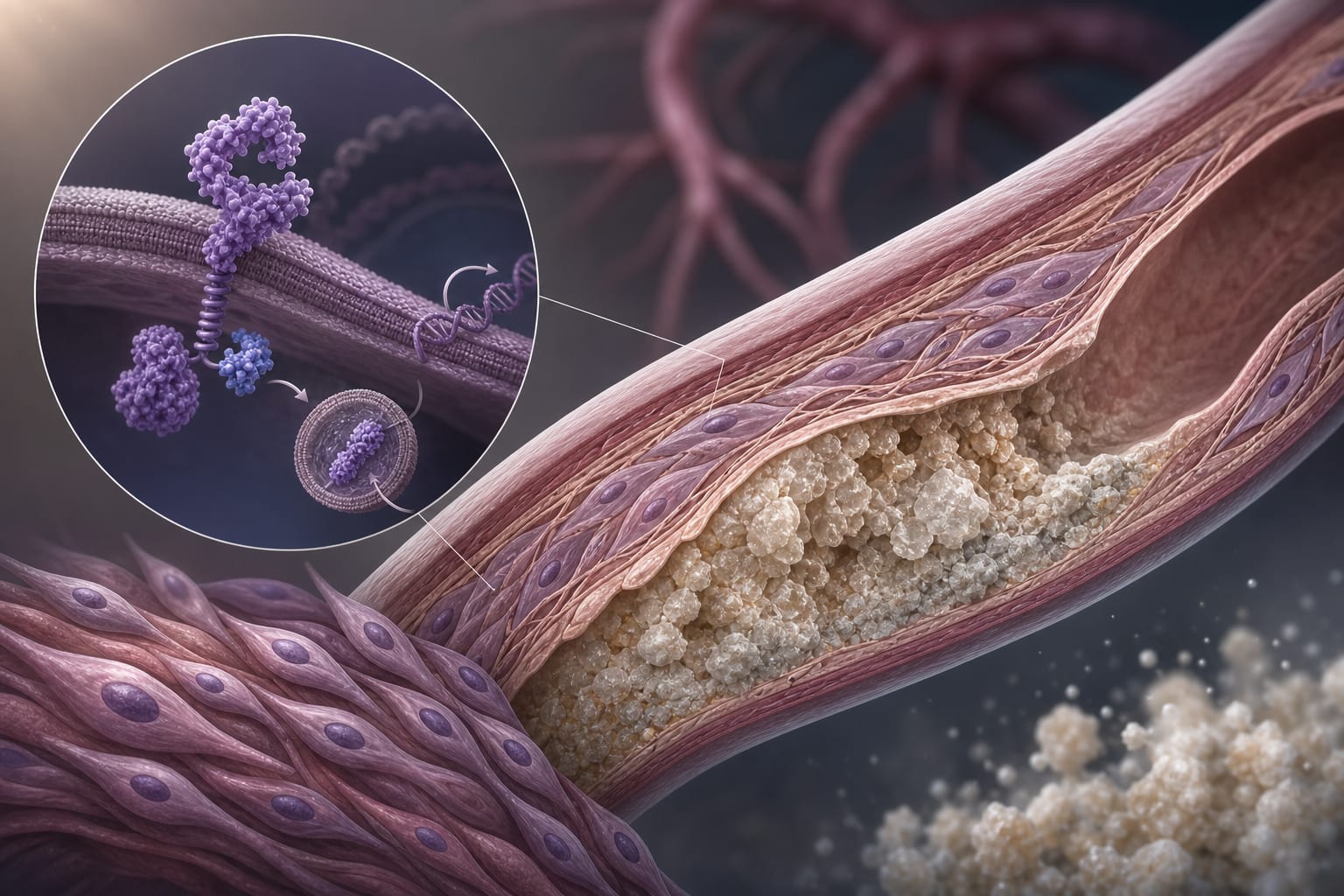
Clinical Scorecard: Strategies for Mitigating the Adverse Effects of Childhood and Adolescent Experiences on Cardiovascular Health
At a Glance
Category
Detail
Condition
Adverse childhood experiences (ACEs) and their impact on cardiovascular disease (CVD)
Key Mechanisms
Neurobiological alterations including blunted cortisol response, low-grade inflammation, exaggerated amygdalar response, diminished hippocampal volume; leading to increased cardiometabolic risk
Target Population
Children, adolescents, and adults exposed to ACEs or life course adversities (LCAs)
Care Setting
Primary prevention and cardiology care settings with integration of psychosocial interventions
Key Highlights
ACEs increase risk of depression, anxiety, and cardiometabolic diseases including obesity, hypertension, Type 2 diabetes, and CVD.
The American Heart Association’s Life’s Essential 8 (LE8) health behaviors and factors significantly reduce CVD incidence and mortality.
High adherence to LE8 attenuates or diminishes the negative effects of ACEs and LCAs on premature mortality and life expectancy.
Guideline-Based Recommendations
Diagnosis
Assess history of ACEs and life course adversities in patients to identify increased CVD risk.
Evaluate adherence to Life’s Essential 8 (LE8) metrics for cardiovascular health.
Management
Promote early psychosocial interventions and mental health support for individuals exposed to ACEs.
Encourage implementation of LE8 behaviors and health factor management to mitigate CVD risk.
Treat mental morbidity to support cardiovascular health and adherence to preventive strategies.
Monitoring & Follow-up
Longitudinal follow-up of cardiovascular risk factors and mental health status in individuals with ACE exposure.
Monitor adherence to LE8 components and adjust interventions accordingly.
Risks
Exposure to multiple ACEs or LCAs increases risk of premature mortality and reduced life expectancy.
Failure to address psychosocial factors may limit effectiveness of traditional CVD prevention.
Patient & Prescribing Data
Individuals with history of adverse childhood or life course adversities
Successful implementation of LE8 behaviors and factors can significantly reduce CVD risk and mortality despite ACE exposure; psychosocial support is critical to enable adherence.
Clinical Best Practices
Integrate screening for ACEs and LCAs into cardiovascular risk assessments.
Implement multidisciplinary approaches combining psychosocial interventions with cardiovascular prevention.
Focus on early-life interventions to support mental health and promote LE8 adherence.
Advocate for further research on psychosocial prevention strategies before CVD onset.