Indian Health Service Allocates $3.5 Million for Nutrition and Food Programs in Tribal Communities
Clinical Scorecard: Indian Health Service Allocates $3.5 Million for Nutrition and Food Programs in Tribal Communities
At a Glance
| Category | Detail |
|---|
| Condition | Nutrition and Food Insecurity |
| Key Mechanisms | Community-driven produce prescription programs to enhance access to healthy foods. |
| Target Population | American Indian and Alaska Native individuals and families. |
| Care Setting | Community health programs in Tribal and urban Indian communities. |
Key Highlights
- Investment of $3.5 million to support 14 Tribal and urban Indian communities.
- Focus on preventive care and reducing chronic disease through nutrition.
- Programs tailored to community needs, traditions, and resources.
- Assessment of effects on food insecurity and dietary patterns.
- Collaboration with Tribal organizations to enhance dietary health.
Guideline-Based Recommendations
Diagnosis
- Evaluate food insecurity and nutrition-related chronic diseases in communities.
Management
- Implement community-driven produce prescription programs.
Monitoring & Follow-up
- Assess dietary patterns and nutrition knowledge improvements.
Risks
- High rates of food insecurity and chronic disease in target populations.
Patient & Prescribing Data
Approximately 2.8 million American Indians and Alaska Natives.
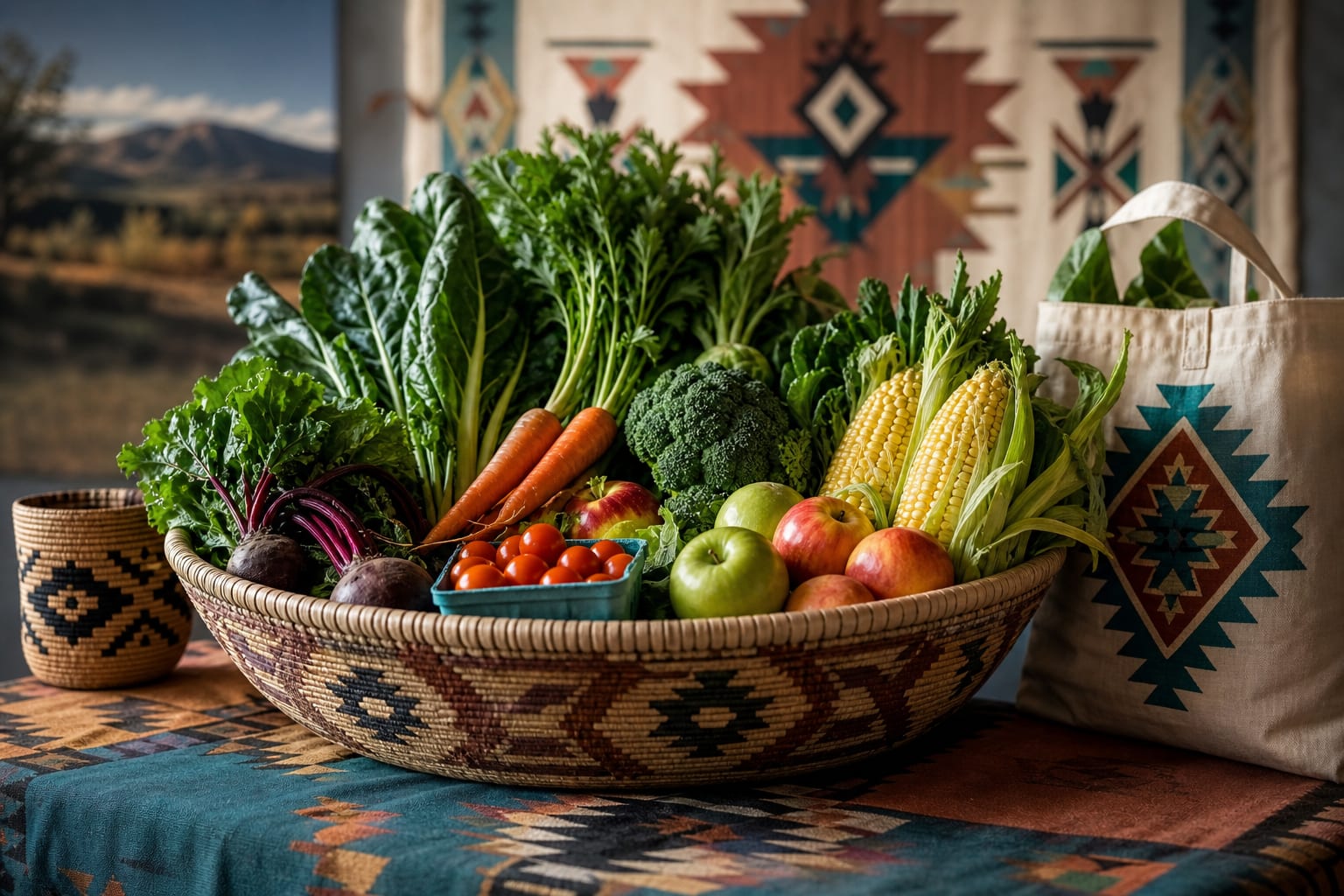
Programs focus on real, nutrient-dense foods and culturally relevant dietary practices.
Clinical Best Practices
- Utilize community expertise in traditional foods and wellness.
- Prioritize prevention-focused health approaches.
- Collaborate with local organizations for program development.
Related Resources & Content