Dropless Cataract Surgery: What is the fuss about?
As cataract surgery continues to evolve, the focus is shifting beyond the operating theatre to the weakest part of the patient pathway – postoperative drops
By
Tariq Ayoub
May 21, 2026
Clinical Scorecard: Dropless Cataract Surgery: What is the fuss about?
At a Glance
Category Detail
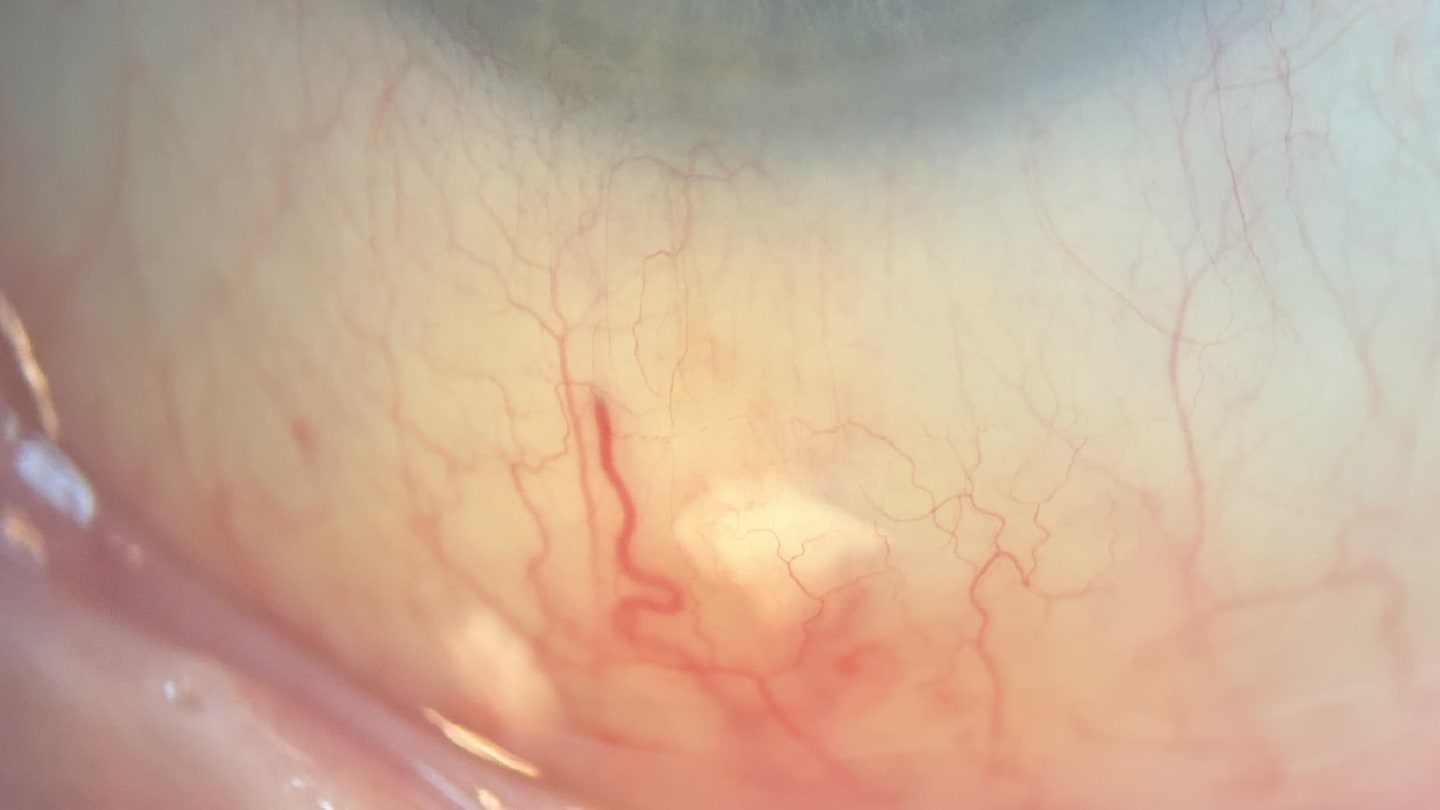
Condition Cataract Surgery Key Mechanisms Intracameral antibiotics and subconjunctival depot of triamcinolone for postoperative care. Target Population Patients undergoing cataract surgery, particularly those with poor dexterity or compliance issues. Care Setting Outpatient surgical settings.
Key Highlights
Dropless cataract surgery improves reliability by reducing patient dependence on postoperative drops. Subconjunctival triamcinolone provides sustained anti-inflammatory cover post-surgery. Studies show comparable outcomes between dropless techniques and traditional drop regimens. Patient selection is crucial; not all patients are suitable for dropless surgery. Monitoring intraocular pressure is essential due to the risk of steroid-induced pressure rise. Guideline-Based Recommendations
Diagnosis
Assess patient dexterity and compliance prior to surgery. Management
Administer intracameral antibiotics and subconjunctival triamcinolone at the end of surgery. Monitoring & Follow-up
Carefully monitor intraocular pressure and inflammatory response in the early postoperative period. Risks
Consider the risk of steroid-induced intraocular pressure rise, especially in patients with glaucoma. Patient & Prescribing Data
Elderly, frail, or cognitively impaired patients who may struggle with postoperative drop regimens.
Dropless techniques can simplify recovery and improve adherence to postoperative care.
Clinical Best Practices
Use dropless techniques selectively rather than universally. Educate patients about the visible depot from subconjunctival injections. Consider modifying the approach for patients at higher risk of complications. Related Resources & Content