The Scleral Lens Vault: <br>Observing Your Fluorescein</br>
In the times of ever-advancing new technology for precise fitting of scleral lenses, has the art of diagnostic fitting fallen to the wayside
By
Jamie Kuzniar, OD
September 1, 2026
Clinical Scorecard: The Scleral Lens Vault: Observing Your Fluorescein
At a Glance
Category Detail
Condition Scleral Lens Fitting Key Mechanisms Assessment of fluorescein patterns to determine lens alignment and fit. Target Population Patients requiring scleral lenses. Care Setting Optometry clinics specializing in contact lens fitting.
Key Highlights
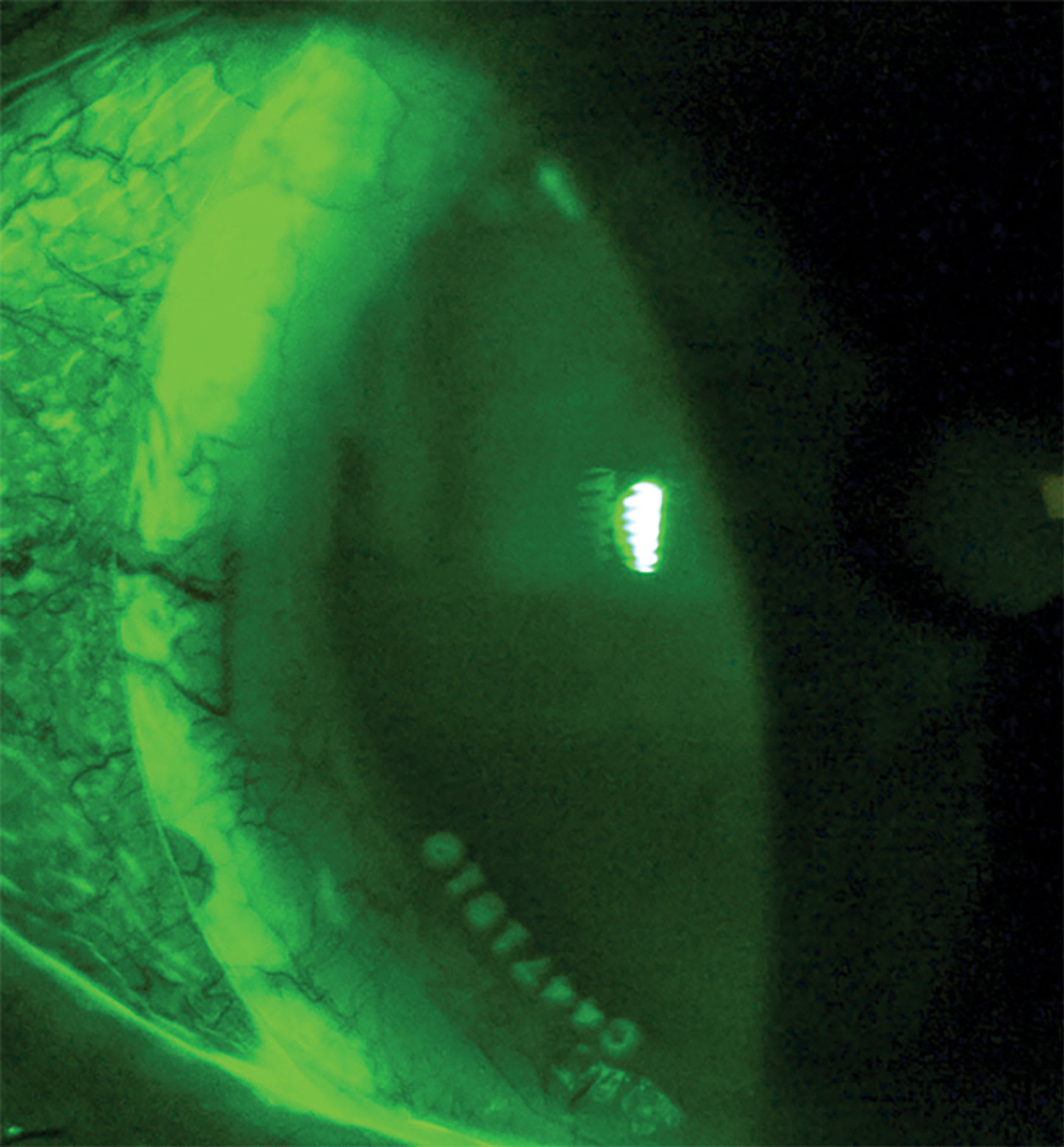
Fluorescein application is crucial for assessing scleral lens fit. Excessive tear exchange can indicate misalignment of the lens. Adjustments to the vaulting chamber may be necessary for proper fit. Overall lens centration and limbal clearance should be assessed. Fluorescein remains a vital tool despite advances in fitting technology. Guideline-Based Recommendations
Diagnosis
Use fluorescein to evaluate lens fit and alignment. Management
Adjust vaulting chamber or lens diameter based on fluorescein observations. Monitoring & Follow-up
Observe fluorescein uptake and tear exchange during follow-up visits. Risks
Improper lens fitting can lead to foggy vision and discomfort. Patient & Prescribing Data
Individuals requiring custom scleral lenses.
Fluorescein can guide adjustments to improve lens fit and comfort.
Clinical Best Practices
Always assess overall lens fit before focusing on specific areas. Consider dual sagittal depth lenses for decentered fits. Related Resources & Content