Case Report: BKV-specific T cells: a fast, safe and potentially effective treatment option for refractory BKV infections in pediatric patients after allogeneic stem cell transplantation - Scorecard - MDSpire
Advertisement
Case Report: BKV-specific T cells: a fast, safe and potentially effective treatment option for refractory BKV infections in pediatric patients after allogeneic stem cell transplantation
Clinical Scorecard: Case Study: The Role of BKV-Specific T Cells as a Rapid, Safe, and Potentially Effective Therapeutic Approach for Refractory BKV Infections in Pediatric Patients Following Allogeneic Stem Cell Transplantation
At a Glance
Category
Detail
Condition
Key Mechanisms
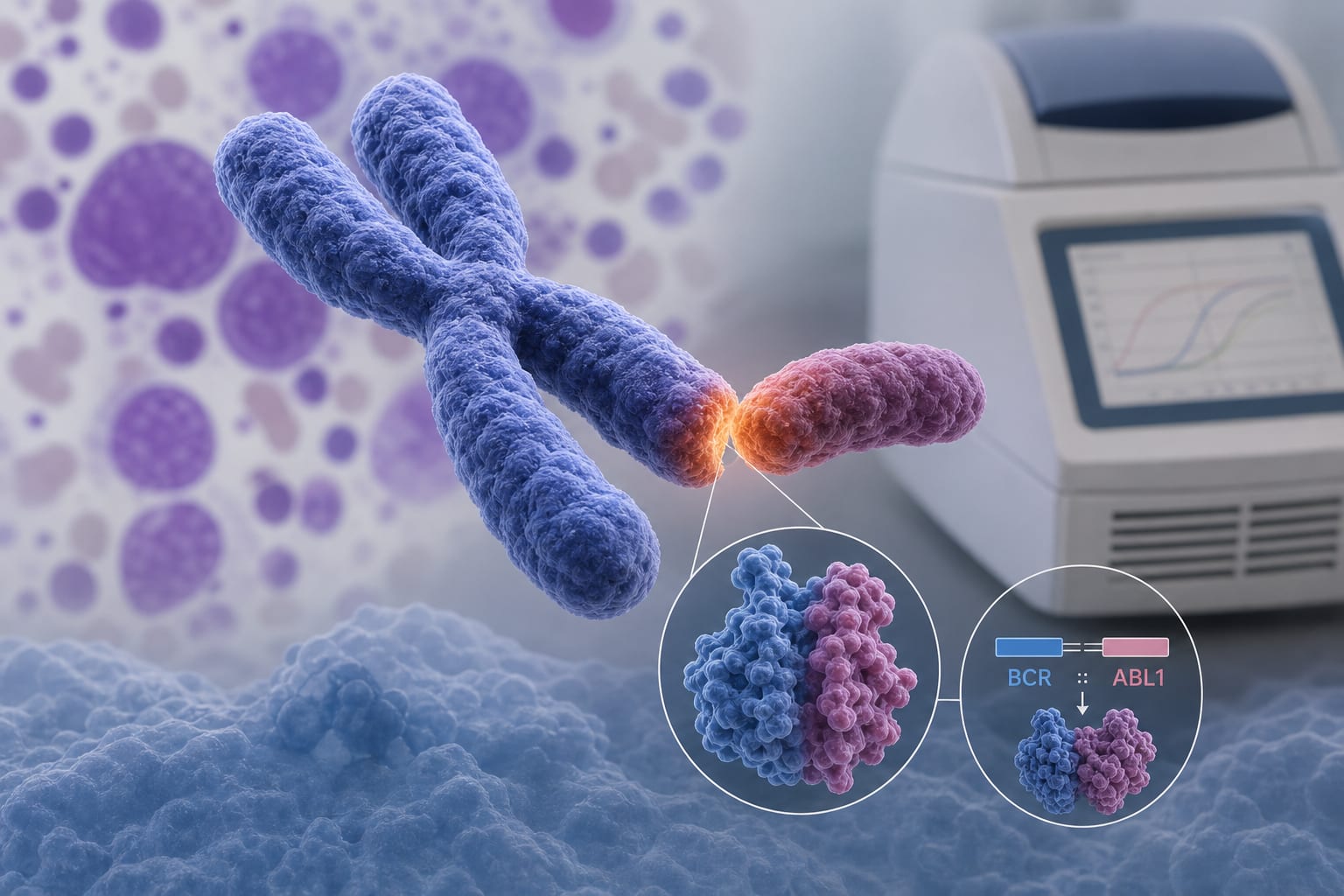
Adoptive transfer of BKV-specific T cells using the CliniMACS Prodigy system to combat viral reactivation.
Target Population
Care Setting
Key Highlights
BKV reactivation occurs in up to 81% of allogeneic stem cell transplant recipients, with significant clinical implications.
Adoptive transfer of BKV-specific T cells showed a decrease in viral load in 3 out of 4 patients, with specific patient outcomes detailed.
Treatment was well tolerated with no severe adverse effects reported, emphasizing safety.
Guideline-Based Recommendations
Diagnosis
Management
Utilize supportive care including hydration, tranexamic acid, and ciprofloxacin, with specific dosages if available.
Consider BKV-specific T cell therapy for refractory cases, detailing criteria for selection.
Monitoring & Follow-up
Risks
Patient & Prescribing Data
Pediatric patients with severe BKV infections post-transplant.
BKV-specific T cells may provide a novel therapeutic option for refractory infections.
Clinical Best Practices
Prompt administration of BKV-specific T cells may enhance efficacy; provide evidence or rationale.
Minimize concurrent immunosuppression to improve treatment outcomes, explaining the mechanism.