Clinical Scorecard: Precision of Remote-Controlled Milling with Haptic Feedback in Surgical Settings
At a Glance
Category
Detail
Condition
Accuracy in bone-related surgical milling procedures
Key Mechanisms
Haptic assistance via cooperative robotic systems to augment surgeon sensorimotor skills and support accurate plan implementation
Target Population
Surgeons performing orthopedic, neurosurgical, and oral/maxillofacial bone surgeries, including novices
Care Setting
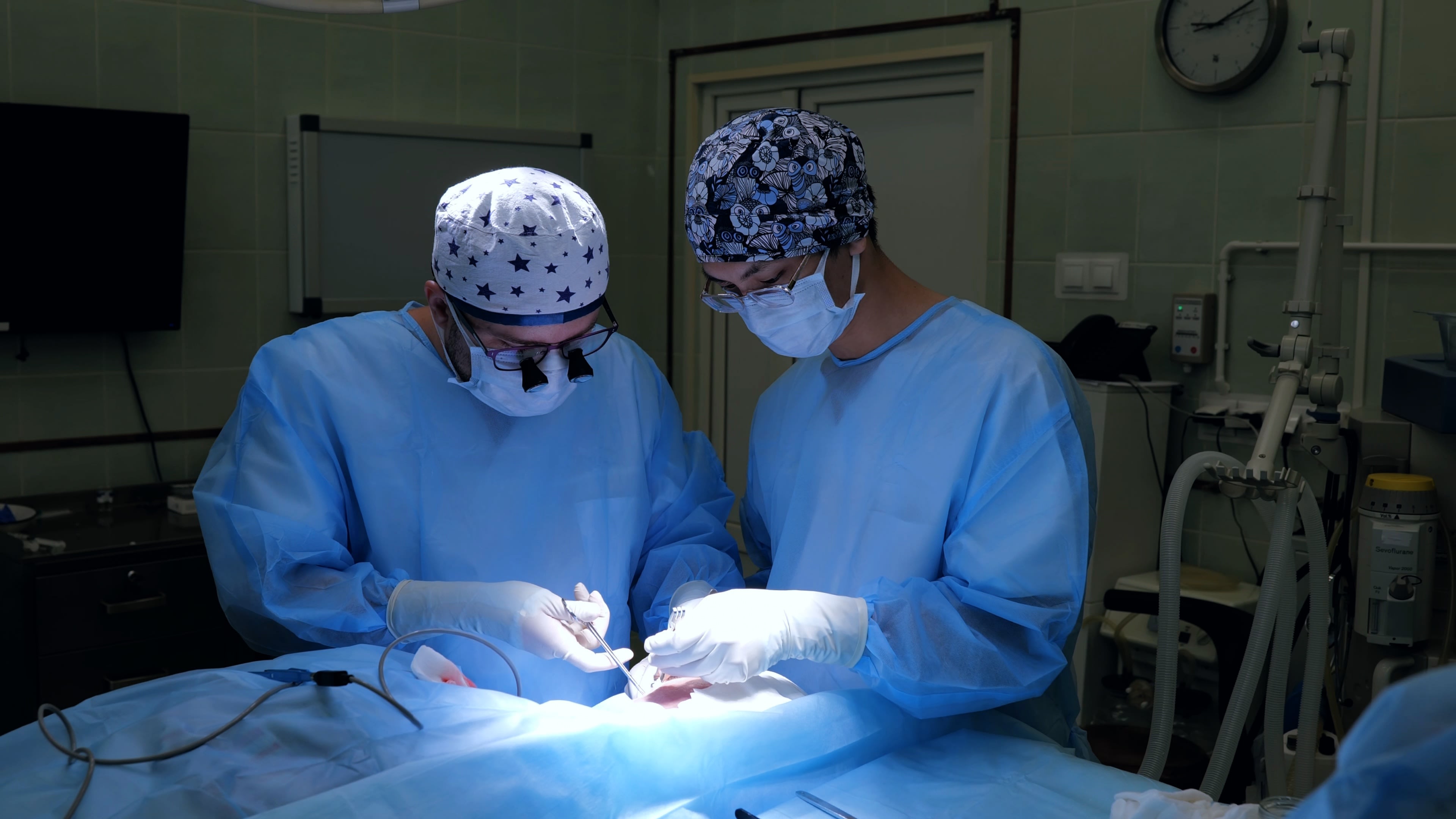
Surgical operating rooms, including non-specialized hospitals and low-volume treatment centers
Key Highlights
Errors in anatomical landmark identification and distance judgment can cause serious patient safety issues and treatment failures.
Cooperative robots with haptic feedback combine robotic accuracy with surgeon decision-making, improving milling precision.
The minaroHD robot supports handheld, hands-on, and teleoperated modes with autonomous compensation for patient movement and submillimeter accuracy.
Guideline-Based Recommendations
Diagnosis
Assess surgeon skill level and experience to identify need for robotic haptic assistance in complex bone milling procedures.
Management
Utilize cooperative robotic systems with haptic feedback to augment surgeon sensorimotor skills during milling tasks.
Select appropriate human-robot interaction mode (handheld, hands-on, teleoperated) based on surgical requirements and environment.
Adjust haptic guidance parameters and arm support to optimize surgeon input accuracy during teleoperated milling.
Monitoring & Follow-up
Monitor master-side user input accuracy and slave-side robot positioning errors during teleoperated milling.
Evaluate milling path tracing accuracy and adjust haptic assistance stiffness and scale factors accordingly.
Risks
Inaccurate milling may cause implant misalignment, functional restrictions, damage to vessels or nerves, or incomplete bone removal leading to tumor recurrence.
Physical decoupling in teleoperation may reduce direct haptic feedback, requiring sensor-based force feedback systems.
Facial nerve disorders impact approximately 30 out of 100,000 adults in the U.S. annually. Common causes of damage to the facial nerve and subsequent facial paralysis include Bell’s palsy, cancerous tumors, acoustic neuromas and iatrogenic complications.
A prospective cohort study suggests that clinically meaningful quality‐of‐life changes continue well beyond the first postoperative year, with one‐year complications emerging as the strongest potentially modifiable predictor of later decline.