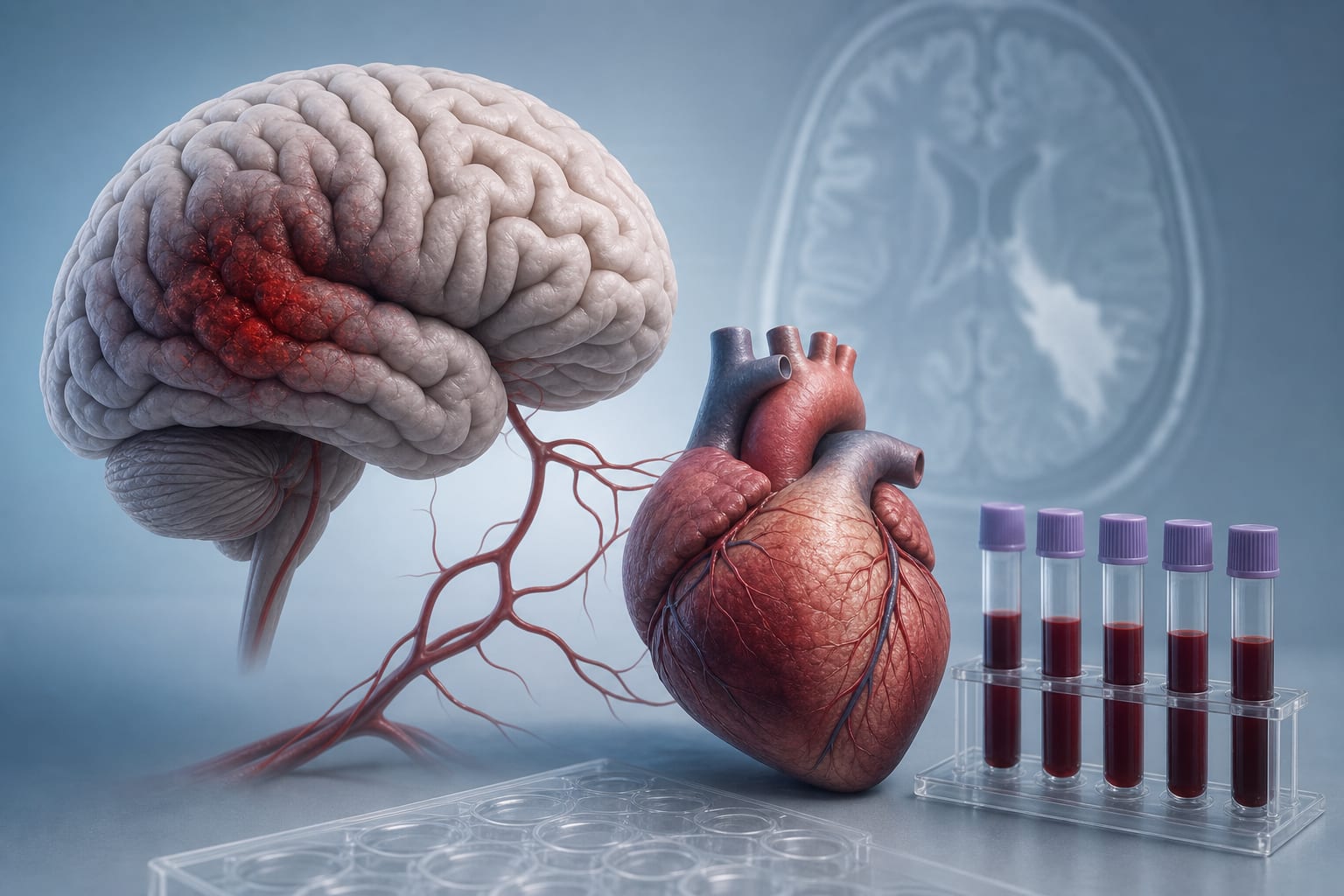
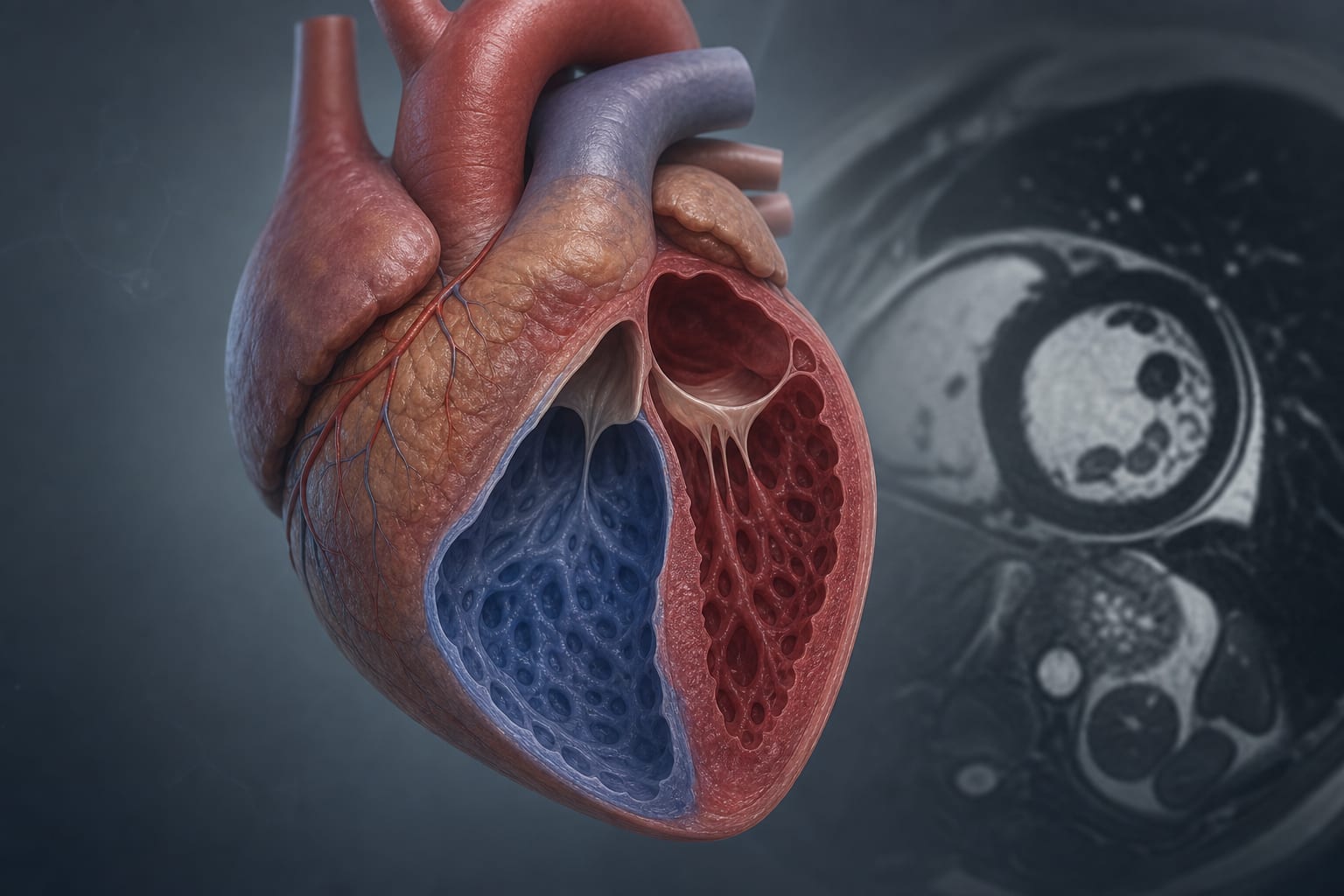
The Heart Donation Advances Shortening the Transplant Wait List
Raymond Lee, MD, director of the USC Heart Transplant Program, shares insights on recent innovations that are transforming heart transplantation.
Clinical Scorecard: The Heart Donation Advances Shortening the Transplant Wait List
At a Glance
| Category | Detail |
|---|
| Condition | Heart Transplantation |
| Key Mechanisms | Innovations in artificial heart pumps, expanded donor eligibility, and advanced perfusion techniques. |
| Target Population | Patients awaiting heart transplantation, including those with hepatitis and HIV. |
| Care Setting | Transplant centers, particularly at USC Transplant Institute. |
Key Highlights
- Temporary artificial heart pumps have improved, stabilizing sicker patients longer.
- Expanded donor criteria now include hepatitis and HIV-positive patients.
- Perfusion devices enhance organ viability during and after cardiac death.
Guideline-Based Recommendations
Diagnosis
- Assess eligibility for heart transplantation based on medical history and current health status.
Management
- Utilize advanced heart pumps and perfusion techniques to support patients awaiting transplant.
Monitoring & Follow-up
- Regularly evaluate patient health and organ viability using advanced monitoring technologies.
Risks
- Consider the risks associated with organ donation from patients with infectious diseases.
Patient & Prescribing Data
Individuals on the heart transplant waiting list, including those with complex medical histories.
Innovative treatments are extending survival times for patients awaiting transplants.
Clinical Best Practices
- Implement normothermic regional perfusion to maintain organ health during cardiac death.
- Expand donor eligibility criteria to include patients with treatable infectious diseases.
Related Resources & Content