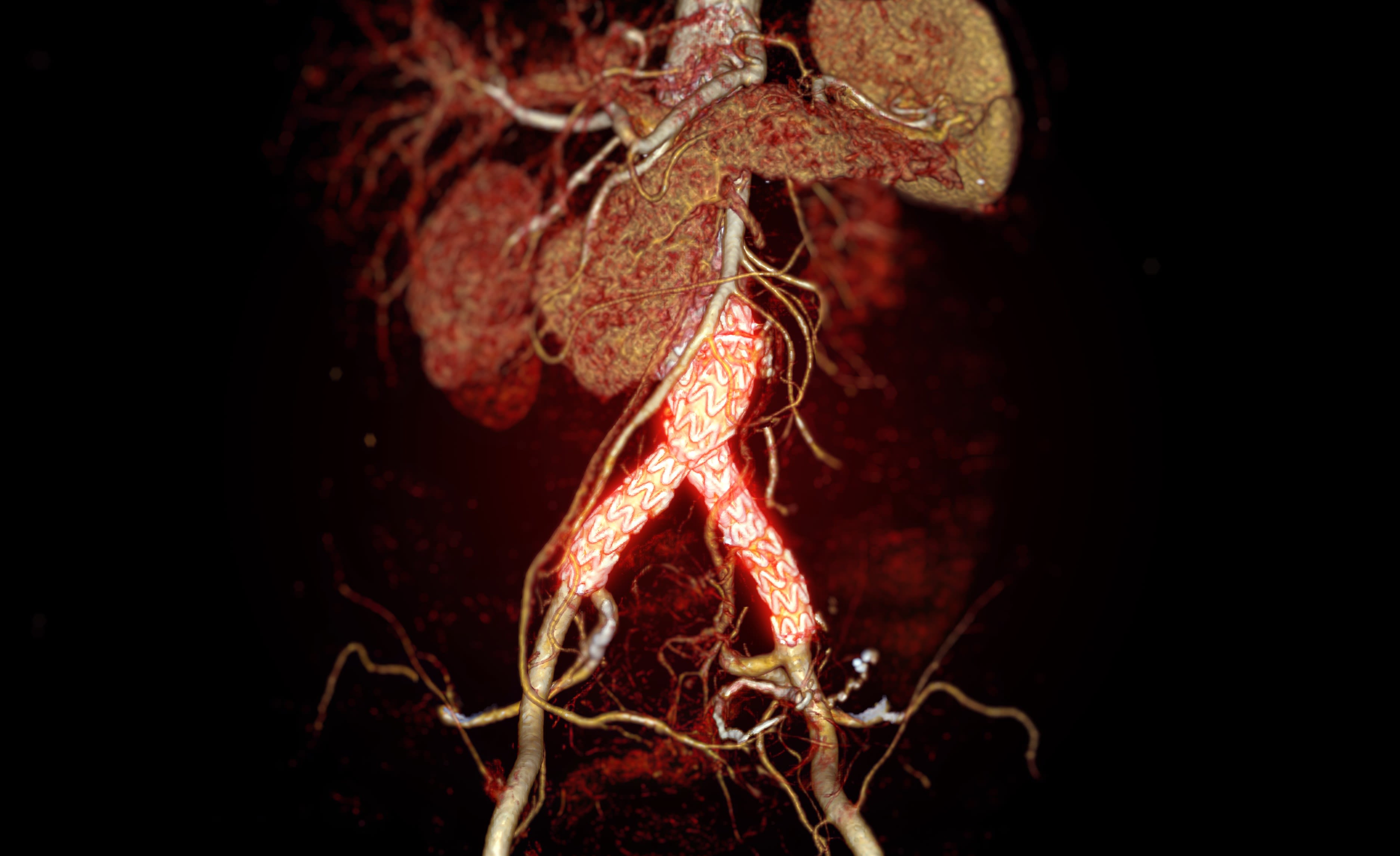
The Future of Aortic Surgery: Cutting-Edge Techniques and Research
Catch the recording of an exclusive webinar featuring renowned experts Dr. Tom C. Nguyen and Dr. Mehrdad Ghoreishi as they explore the future of aortic surgery.
Clinical Scorecard: The Future of Aortic Surgery: Cutting-Edge Techniques and Research
At a Glance
Category Detail
Condition Aortic Disease Key Mechanisms Minimally invasive techniques and endovascular procedures for aortic interventions. Target Population Patients with aortic disease, including those with aortic aneurysms and dissections. Care Setting Baptist Health Miami Cardiac & Vascular Institute
Key Highlights
Emerging technologies allow for less invasive treatment options. Recent guidelines recommend intervention for aortic aneurysms at 5 cm. Endovascular procedures can be applied to all segments of the aorta. The Ross procedure is gaining renewed attention for young patients with severe aortic insufficiency. Aortic surgery is evolving towards individualized treatment approaches. Guideline-Based Recommendations
Diagnosis
Monitor aortic size and growth rates for intervention criteria. Management
Consider endovascular options for aortic interventions. Use mechanical aortic valves for patients under 50 with severe aortic stenosis. Monitoring & Follow-up
Regular imaging to assess aortic size and growth. Risks
Potential morbidity and mortality associated with traditional open surgeries. Patient & Prescribing Data
Patients with aortic disease, particularly those with aneurysms or severe aortic insufficiency.
Less invasive techniques are preferred to reduce recovery time and complications.
Clinical Best Practices
Adhere to updated guidelines for aortic intervention thresholds. Utilize a multidisciplinary approach for patient management. References