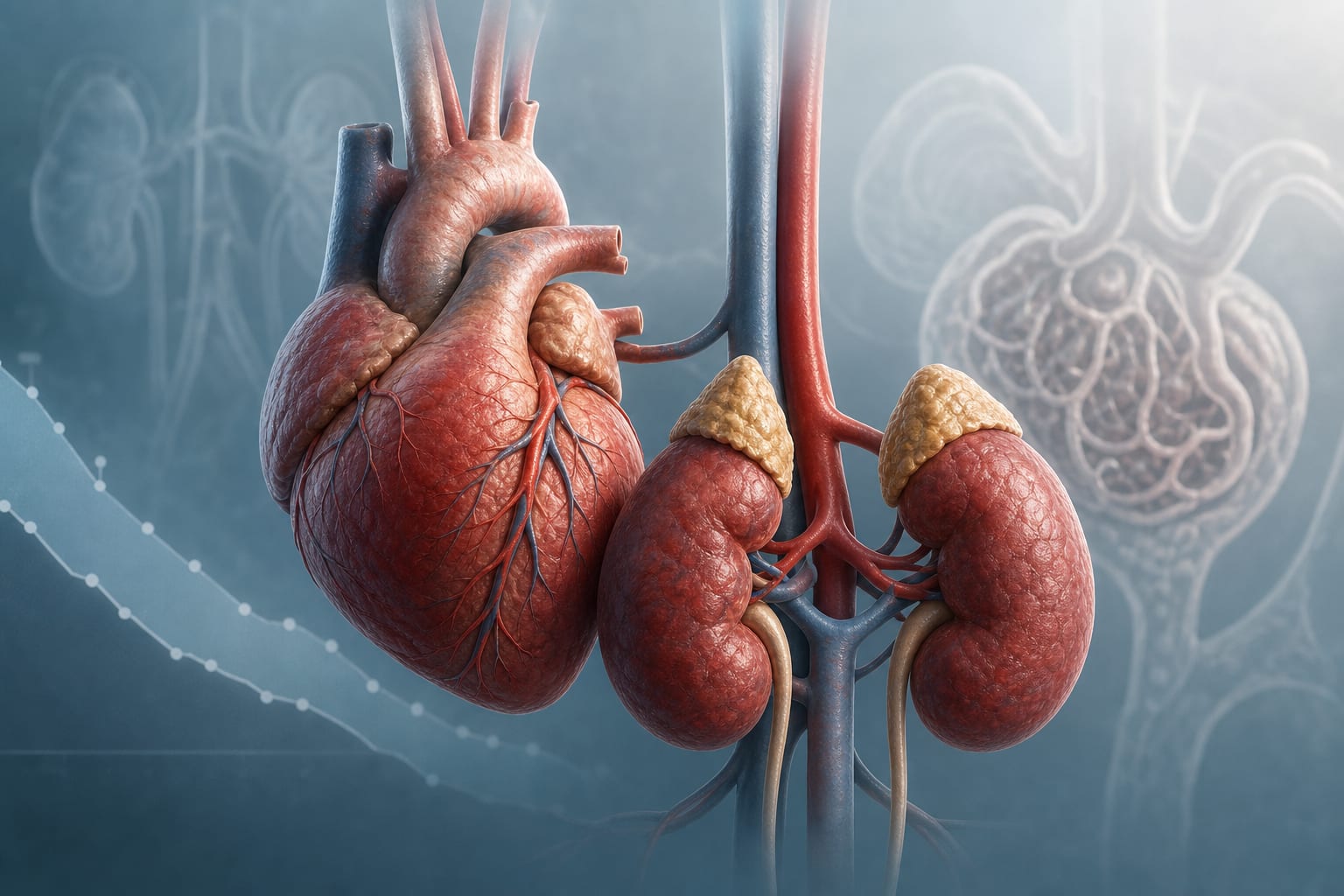
Early Intervention & Multidisciplinary Care: Key to Positive Outcomes for Heart Failure Patients at Barnes-Jewish Hospital
Barnes-Jewish Hospital is the only hospital within 200 miles of St. Louis to offer a full spectrum of heart failure and cardiomyopathy care integrated with other disciplines.
Clinical Scorecard: Early Intervention & Multidisciplinary Care: Key to Positive Outcomes for Heart Failure Patients at Barnes-Jewish Hospital
At a Glance
Category Detail
Condition Heart Failure Key Mechanisms Multidisciplinary collaboration and early intervention strategies. Target Population Patients with heart failure, particularly those with advanced stages. Care Setting Barnes-Jewish Hospital and Washington University Heart and Vascular Center.
Key Highlights
Approximately 6.5 million people in the U.S. over the age of 20 have heart failure. Early intervention improves treatment options and quality of life. Multidisciplinary team includes cardiologists, surgeons, and electrophysiologists. Guideline-directed medical therapies can lengthen patient survival. Specific causes of heart failure can lead to targeted therapies. Guideline-Based Recommendations
Diagnosis
Identify underlying causes of heart failure through imaging and genetic testing. Management
Utilize beta blockers, ARNI, mineralocorticoid receptor antagonists, and SGLT2 inhibitors. Monitoring & Follow-up
Consider implantable pressure sensors to monitor patient status and prevent hospitalization. Risks
Patients with persistently elevated natriuretic peptides or low ejection fraction are at higher risk. Patient & Prescribing Data
Patients with ischemic and non-ischemic cardiomyopathy with reduced ejection fraction.
Early and aggressive application of guideline-directed medical therapies is crucial.
Clinical Best Practices
Refer patients early to a heart failure specialist for optimal outcomes. Collaborate with electrophysiology for device management in heart failure patients. Utilize advanced imaging and testing to guide therapy selection. References