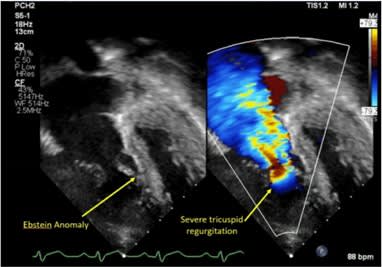
Cone Procedure to Treat Ebstein's Anomaly
Advancing modern medicine can improve long-term outcomes for pediatric congenital heart defects. Although relatively rare, Ebstein's anomaly
Clinical Scorecard: Cone Procedure to Treat Ebstein's Anomaly
At a Glance
Category Detail
Condition Ebstein's Anomaly Key Mechanisms Displacement of the tricuspid valve leading to regurgitation and potential heart failure. Target Population Children and adults with Ebstein's anomaly. Care Setting Pediatric and adult congenital heart disease programs.
Key Highlights
Cone reconstruction is a promising alternative to tricuspid valve replacement. The procedure allows the valve to grow with the child, reducing the need for future interventions. Cone reconstruction has shown higher success rates and lower incidence of tricuspid regurgitation compared to traditional valve replacement. Guideline-Based Recommendations
Diagnosis
Assess anatomical and physiological presentations of Ebstein's anomaly. Management
Consider cone reconstruction for eligible patients over traditional valve replacement. Monitoring & Follow-up
Lifelong cardiovascular monitoring and therapy are essential for managing complications. Risks
Potential for arrhythmias, cyanosis, and heart failure without treatment. Patient & Prescribing Data
Patients with Ebstein's anomaly, from neonates to adults.
Cone reconstruction is a safe and effective treatment option with long-term durability.
Clinical Best Practices
Perform cone reconstruction only by specialized cardiothoracic surgeons. Provide comprehensive care through a dedicated congenital heart disease program. Related Resources & Content