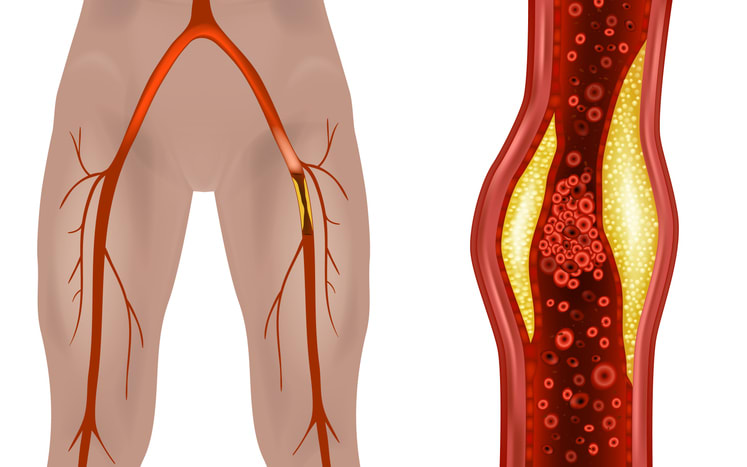
Clinical Scorecard: What Referring Physicians Need to Know About Current Peripheral Artery Disease Guidelines
At a Glance
Category
Detail
Condition
Peripheral Artery Disease (PAD)
Key Mechanisms
Asymptomatic disease progression, increased risk for cardiovascular events.
Target Population
Patients aged 65 and older, those with diabetes, smoking history, hypertension, dyslipidemia, chronic kidney disease, family history of atherosclerotic disease, and known cardiovascular disease.
Care Setting
Primary care and specialty clinics.
Key Highlights
Many patients with PAD are asymptomatic but at risk for major cardiovascular events.
Risk factors include age, diabetes, smoking, hypertension, dyslipidemia, and family history.
Comprehensive vascular testing is essential for accurate diagnosis and management.
Timely evaluation and referral are critical for patients with high-risk presentations.
PAD is a marker of systemic atherosclerotic disease, necessitating broader cardiovascular assessment.
Guideline-Based Recommendations
Diagnosis
Conduct thorough history and physical examination.
Assess for exertional leg pain, ischemic rest pain, and nonhealing wounds.
Management
Utilize comprehensive noninvasive vascular testing including ABI, segmental pressure recordings, and vascular ultrasound.
Monitoring & Follow-up
Regularly evaluate patients with established risk factors for PAD.
Risks
Patients with PAD are at increased risk for heart attack, stroke, and cardiovascular death.
Patient & Prescribing Data
Individuals with risk factors for PAD.
Early identification and intervention can prevent disease progression and complications.
Clinical Best Practices
Recognize the importance of early identification of PAD.
Incorporate risk assessment and appropriate vascular testing in routine evaluations.
Facilitate coordinated care through timely referrals.
Surveys captured nearly 7 times as many menopause observations as structured clinical records, with high agreement when both sources identified menopause.