Arteriovenous Malformations in Children: A Pediatric Neurosurgeons Perspective
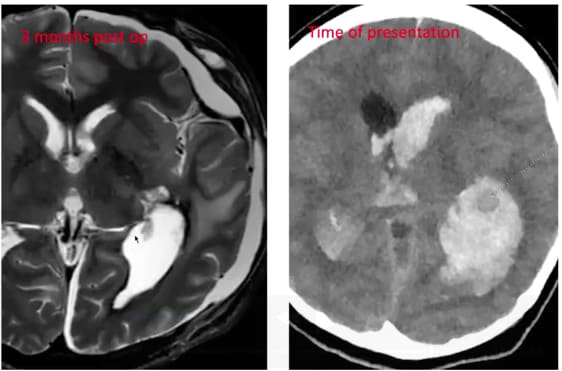
This Neuroscience Grand Rounds session, led by Muhammad Osama, MD, provides a pediatric neurosurgeon’s perspective on arteriovenous malformations (AVMs) in children, rare but high-risk vascular lesions that can lead to seizures, neurological deficits, or life-threatening hemorrhage.
Clinical Scorecard: Arteriovenous Malformations in Children: A Pediatric Neurosurgeons Perspective
At a Glance
Category Detail
Condition Clinical topic addressed by the source article: Arteriovenous Malformations in Children
Key Mechanisms Rare vascular lesions that can cause seizures, neurological deficits, or life-threatening hemorrhage.
Target Population Population described in the source article.
Care Setting Care setting described in the source article.
Key Highlights
Pediatric AVMs are rare but high-risk lesions. Early recognition and risk stratification are crucial. Management strategies are evolving based on evidence. Recurrence considerations are important in treatment planning. Unique features of pediatric AVMs include specific morphology and natural history.
Guideline-Based Recommendations
Diagnosis
Early recognition of AVMs in pediatric patients is essential.
Management
Utilize a multidisciplinary approach for treatment.
Monitoring & Follow-up
Consider recurrence rates in follow-up care.
Risks
AVMs can lead to life-threatening complications.
Patient & Prescribing Data
Children with arteriovenous malformations
Management strategies are evolving and should be tailored to individual cases.
Clinical Best Practices
Implement early risk stratification for AVMs. Adopt evidence-based treatment algorithms. Monitor for recurrence post-treatment.
Related Resources & Content