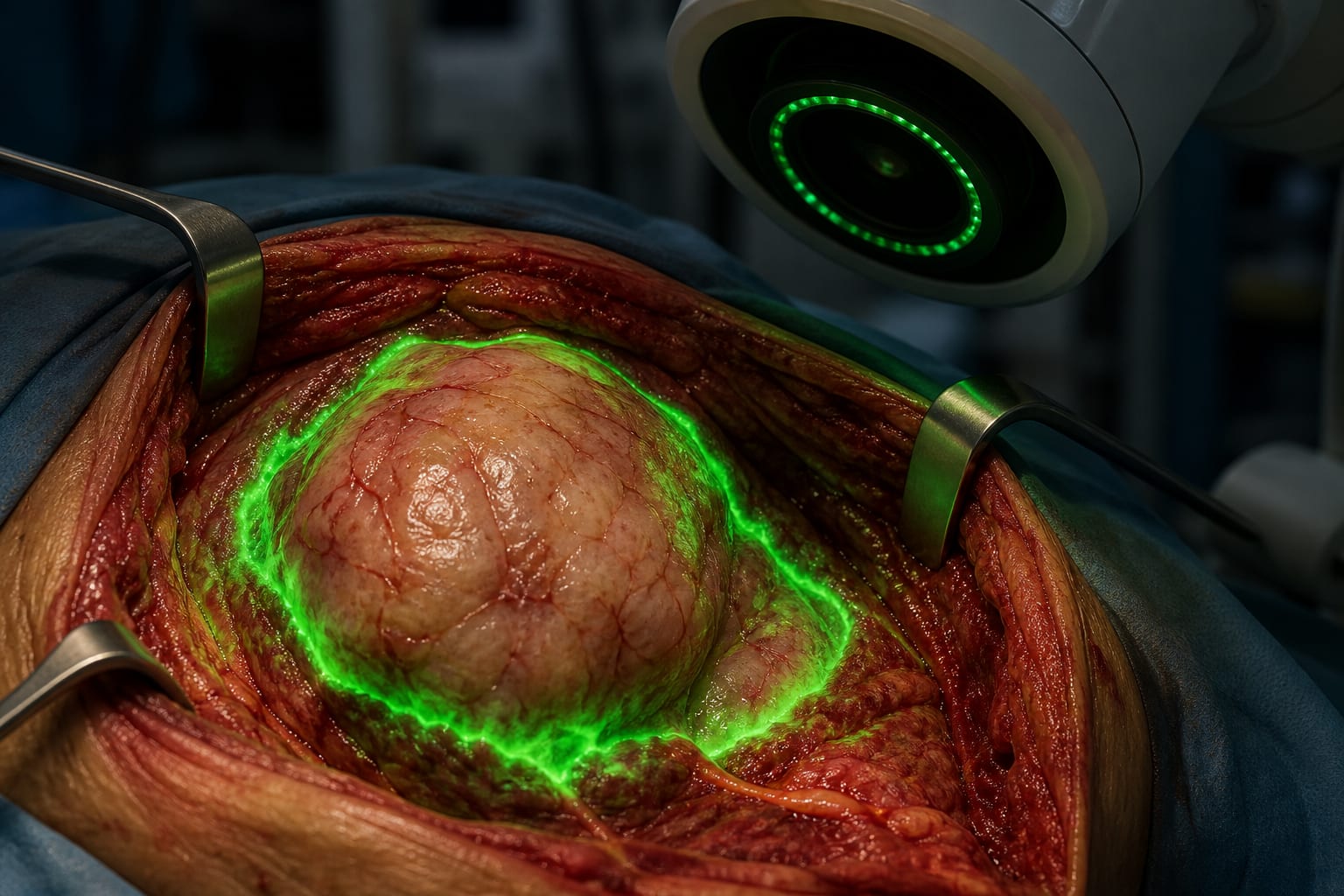
Robot-Assisted Surgery for Gastroesophageal Cancers is Transforming Patient Outcomes
Robot-assisted surgery (RAS) has led to shorter hospital stays, faster recovery and reduced pain for patients with many types of cancer. Now, thanks to the pioneering work of Moshim Kukar, MD, FACS, Department of Surgical Oncology, and his Roswell Park team, RAS is the standard of care for eligible patients with gastroesophageal junction cancers.
Clinical Scorecard: Robot-Assisted Surgery for Gastroesophageal Cancers is Transforming Patient Outcomes
At a Glance
Category Detail
Condition Key Mechanisms Robot-assisted surgery (RAS) for surgical treatment, including esophagectomy and gastrectomy, leading to reduced pain and precise suturing. Target Population Care Setting
Key Highlights
RAS leads to shorter hospital stays and faster recovery. Roswell Park has performed over 100 procedures for gastroesophageal junction cancers. Utilization of site-to-site stapled anastomosis results in lower leak and stricture rates. Multidisciplinary tumor board reviews are critical for individualized treatment plans. High-volume centers show better outcomes for complex surgical procedures. A multidisciplinary team approach is essential for optimal treatment. Guideline-Based Recommendations
Diagnosis
Conduct a multidisciplinary review of pathology and imaging for accurate staging. Management
Utilize robotic-assisted approaches for surgical resection. Consider chemotherapy and radiation as part of the treatment plan. Educate patients on the benefits of robotic-assisted surgery. Monitoring & Follow-up
Monitor for complications such as leaks and strictures post-surgery. Risks
Potential for surgical complications if not performed at high-volume centers. Patient & Prescribing Data
Patients diagnosed with gastroesophageal junction cancers.
Minimally invasive techniques improve functional outcomes and expedite recovery.
Clinical Best Practices
Refer patients to high-volume surgical centers for complex procedures. Implement a systematic approach to surgical connections to enhance outcomes. Educate patients and physicians on the benefits of robotic-assisted surgery. Related Resources & Content