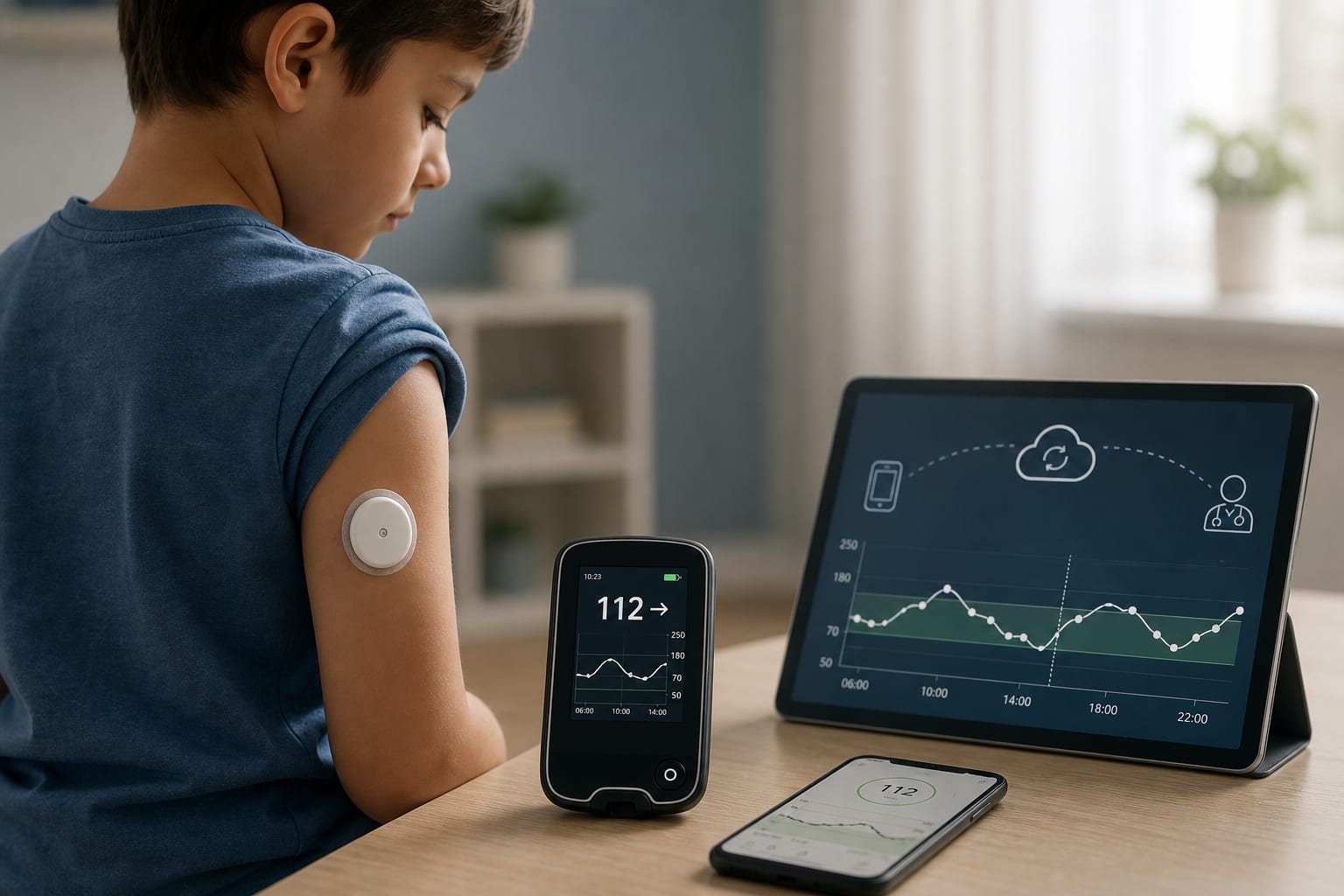
IoT-enabled solutions for paediatric diabetes: examining consumer readiness and adoption factors
-
By
-
Mohammad Al Nawayseh
-
Ghazi Al-Naymat
-
Dania Khraisat
-
Heba Al-Slehat
-
July 8, 2026
-
Clinical Scorecard: Exploring Readiness and Influencing Factors for IoT Solutions in Pediatric Diabetes Management
At a Glance
| Category | Detail |
|---|
| Condition | Pediatric Diabetes Management |
| Key Mechanisms | Utilization of IoT for real-time blood glucose tracking and monitoring. |
| Target Population | Children and adolescents with diabetes. |
| Care Setting | Healthcare environments integrating IoT technologies. |
Key Highlights
- Perceived ease of use and usefulness positively affect adoption of IoT solutions.
- High positive attitudes towards IoT support its use despite low perceived ease of use.
- Usability and integration with existing systems are critical for adoption.
- Concerns about data access and privacy impact user willingness to adopt IoT.
- Technological design must prioritize clinical utility and user training.
Guideline-Based Recommendations
Diagnosis
- Early diagnosis of diabetes is essential for optimizing patient outcomes.
Management
- Implement IoT-based technologies for real-time monitoring and proactive interventions.
Monitoring & Follow-up
- Utilize IoT tools for accurate and effective blood glucose monitoring.
Risks
- IoT systems may suffer from malfunctions and generate inconsistent data.
Patient & Prescribing Data
Pediatric patients with diabetes.
IoT technologies can enhance diabetes management through improved monitoring.
Clinical Best Practices
- Integrate IoT solutions with existing healthcare systems.
- Provide training for users to facilitate effective technology adoption.
- Conduct behavioral analyses to understand adoption factors in healthcare contexts.
Related Resources & Content