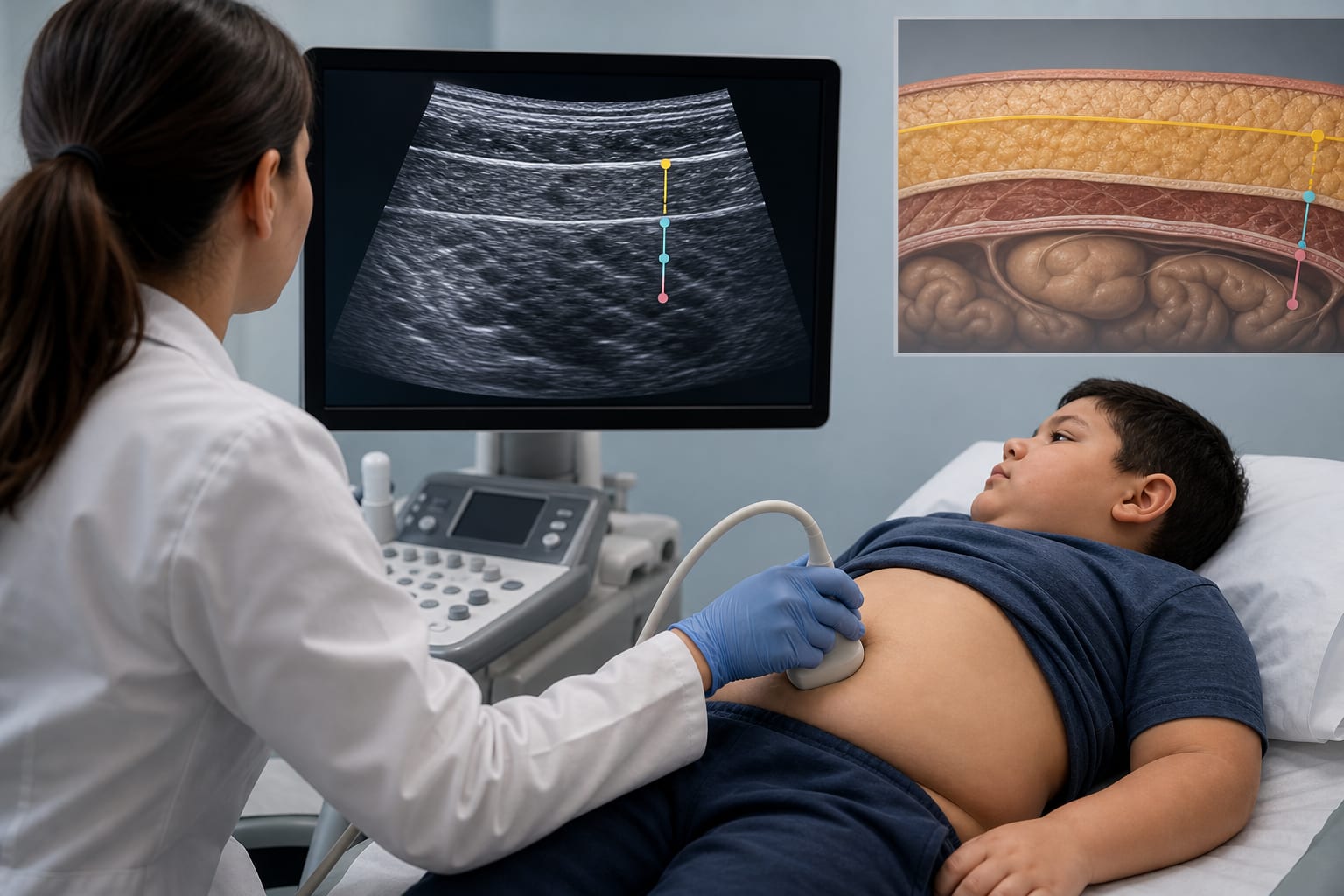
Evaluation of Treatment Efficacy, Follow-Up Outcomes, and Recurrence Trends in Pediatric Helicobacter pylori Infections
-
By
-
Mengde Luo
-
Danli Wei
-
Ling Jin
-
Yiling Wei
-
April 23, 2026
-
Clinical Scorecard: Evaluation of Treatment Efficacy, Follow-Up Outcomes, and Recurrence Trends in Pediatric Helicobacter pylori Infections
At a Glance
| Category | Detail |
|---|
| Condition | Helicobacter pylori infection in children |
| Key Mechanisms | Chronic bacterial infection leading to gastrointestinal complications |
| Target Population | Children aged 4–13 years |
| Care Setting | Pediatric outpatient department |
Key Highlights
- Overall eradication rate of 79.7% observed in treated children
- Amoxicillin-based regimen showed higher efficacy (84.0%) compared to metronidazole-based regimen (67.6%)
- Recurrence rate of 13.7% noted, particularly in children under 10 years
- Follow-up evaluations conducted at 6 and 12 months post-treatment
- Importance of long-term follow-up and antimicrobial resistance surveillance emphasized
Guideline-Based Recommendations
Diagnosis
- Diagnostic testing recommended for children with peptic ulcer disease or when endoscopic evaluation is indicated
- Empirical therapy often used in low-resource settings
Management
- Standard triple therapy with PPI and two antibiotics remains first-line treatment
- Customized therapy based on antibiotic susceptibility tests recommended where possible
Monitoring & Follow-up
- Follow-up assessments necessary to confirm treatment success and check for reinfection or recrudescence
Risks
- Rising antimicrobial resistance impacting treatment efficacy
- Higher likelihood of reinfection in children due to environmental and behavioral factors
Patient & Prescribing Data
Children aged 4–13 years with confirmed H. pylori infection
Amoxicillin-based therapy is more effective than metronidazole-based therapy
Clinical Best Practices
- Implement structured long-term follow-up for monitoring recurrence
- Conduct region-specific antimicrobial resistance surveillance
- Utilize non-invasive diagnostic methods like urea breath test for follow-up assessments
References