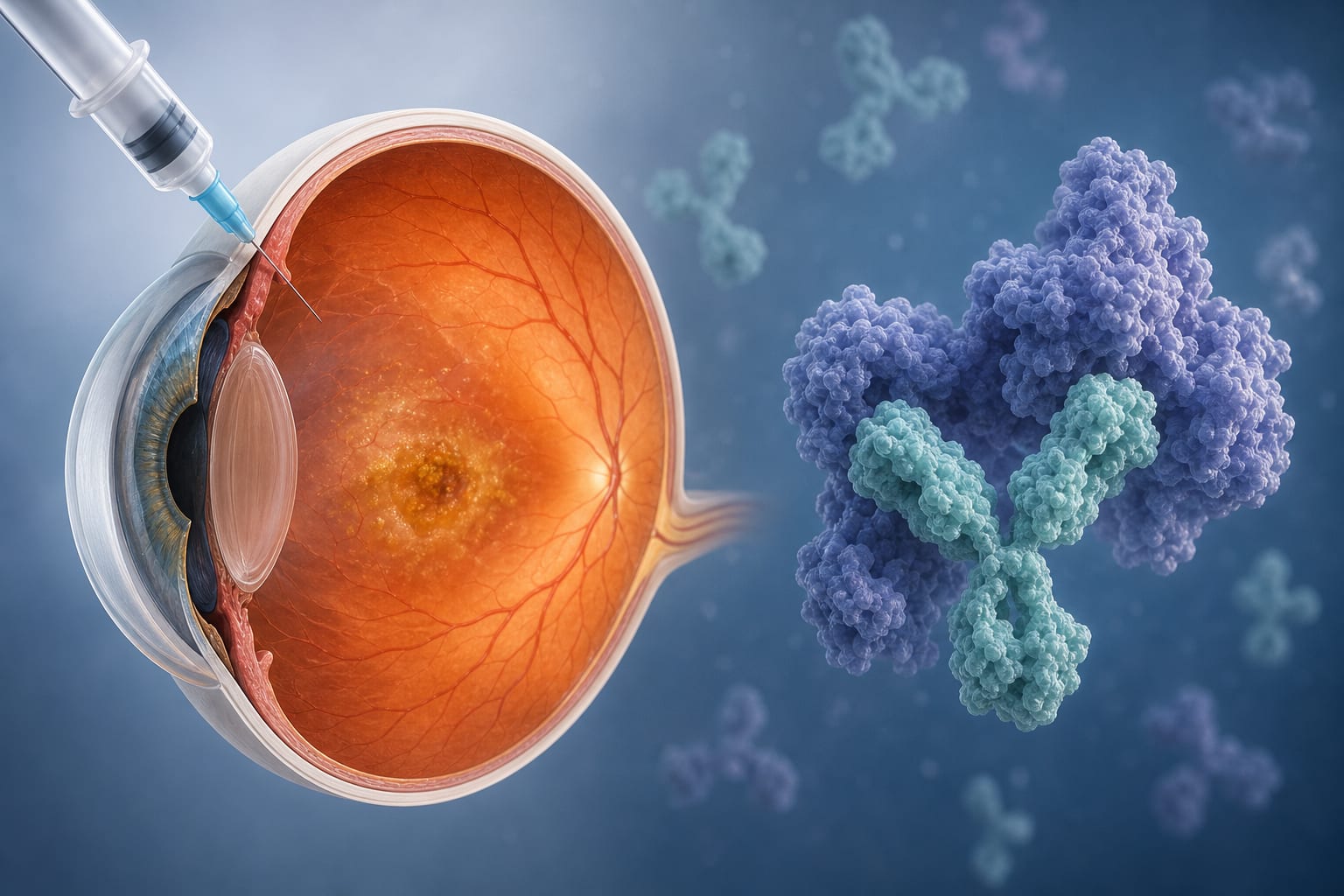
Evolving Treatment Strategies for Noninfectious Uveitis
Advances in corticosteroid delivery, systemic immunomodulation, and pipeline therapies are expanding options for individualized management.
By
William R. Bloom, MD
Ana M. Suelves, MD, PhD
September 1, 2026
Clinical Scorecard: Evolving Treatment Strategies for Noninfectious Uveitis
At a Glance
Category Detail
Condition Noninfectious Uveitis Key Mechanisms Corticosteroid delivery, systemic immunomodulation, IL-6 inhibition Target Population Patients with noninfectious uveitis Care Setting Ophthalmology clinics and practices
Key Highlights
Corticosteroids remain the cornerstone of treatment for acute ocular inflammation. Fluocinolone acetonide implants provide sustained corticosteroid delivery with fewer systemic side effects. Suprachoroidal triamcinolone acetonide offers targeted therapy for uveitic macular edema. Conventional DMARDs and biologics are used for steroid-sparing therapy. The stepladder approach escalates treatment based on disease severity and response. Guideline-Based Recommendations
Diagnosis
Diagnosis of noninfectious uveitis should consider clinical history and ocular examination. Management
Initial treatment with local and systemic corticosteroids to control inflammation. Monitoring & Follow-up
Regular monitoring for adverse effects of corticosteroids and immunosuppressive therapies. Risks
Long-term systemic corticosteroids can lead to hyperglycemia, osteoporosis, and psychiatric symptoms. Patient & Prescribing Data
Patients with chronic noninfectious uveitis requiring long-term management.
Biologics and DMARDs are preferred when conventional therapies are ineffective or poorly tolerated.
Clinical Best Practices
Utilize a stepladder approach to manage uveitis effectively. Consider localized therapies to minimize systemic side effects. Assess corticosteroid responsiveness and intraocular pressure tolerance before long-term strategies. Related Resources & Content