Radiologists Tested on AI X-Rays
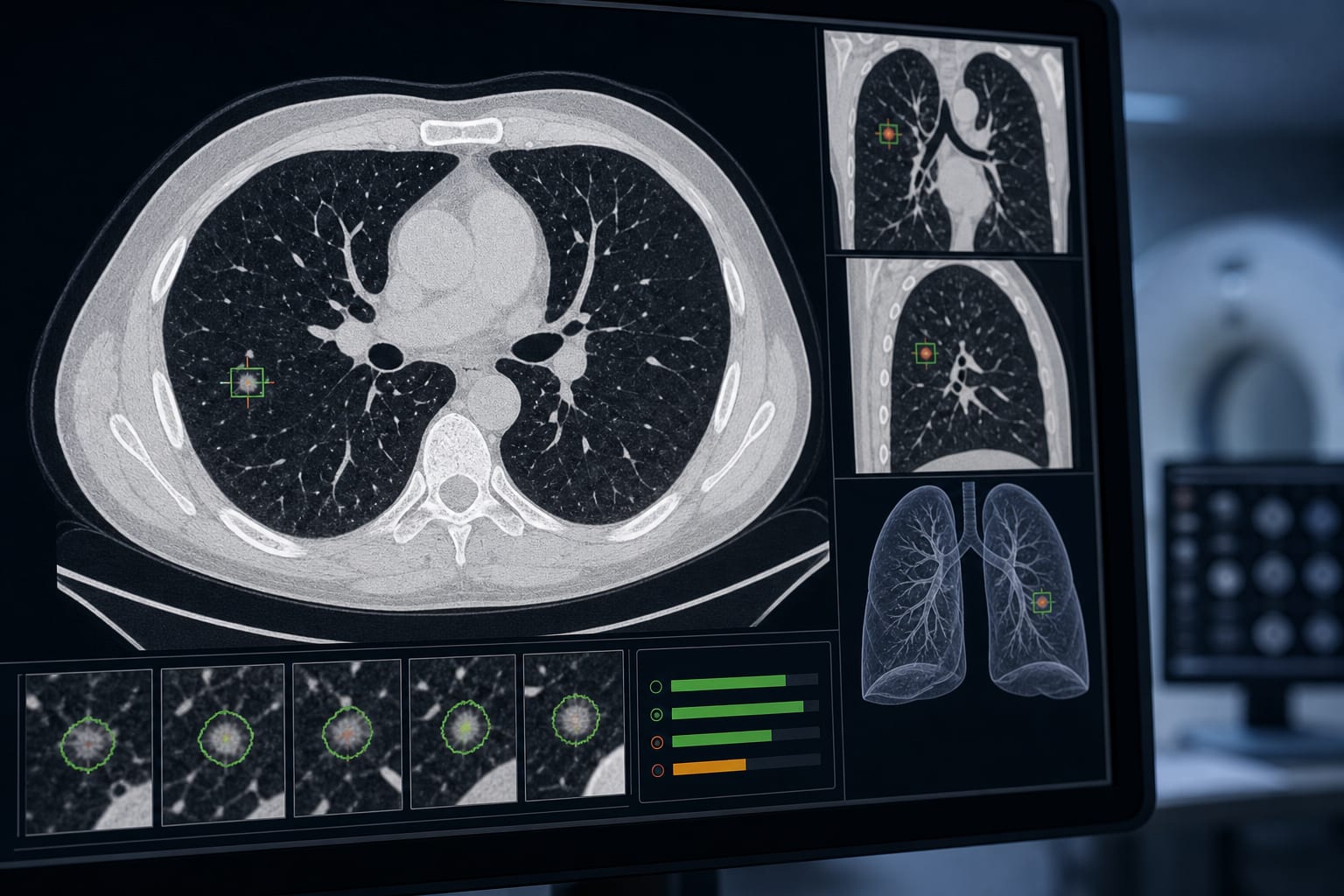
Study found synthetic radiographs were often difficult to distinguish from real images, with physicians identifying them correctly about 75% of the time.
By
Doug Brunk
April 1, 2026
Clinical Scorecard: Radiologists Tested on AI X-Rays
At a Glance
Category Detail
Condition Detection of AI-generated radiographs Key Mechanisms Comparison of radiologists' performance against multimodal large language models (LLMs) Target Population Radiologists with varying levels of experience Care Setting Clinical radiology
Key Highlights
Radiologists achieved 75% accuracy in distinguishing AI-generated from real radiographs. Diagnostic accuracy for identifying abnormalities was 92% for synthetic and 91% for real images. Experience did not significantly affect detection performance. Musculoskeletal radiologists outperformed other subspecialists with 83% accuracy. Common features of synthetic images included excessive symmetry and uniform noise patterns. Guideline-Based Recommendations
Diagnosis
Training for radiologists on recognizing AI-generated images is essential. Management
Implement technical safeguards such as watermarking and provenance tracking. Monitoring & Follow-up
Regular evaluation of AI detection tools and their effectiveness. Risks
Potential misuse of synthetic medical images in clinical and legal settings. Patient & Prescribing Data
Not specified; study involved radiologists evaluating images.
Awareness of AI-generated images may improve detection accuracy.
Clinical Best Practices
Incorporate AI detection training into radiology education. Utilize automated detection tools to assist radiologists. Maintain awareness of the limitations of AI-generated images. Related Resources & Content