Potential of Digital Tools for Chronic Pain Management
-
By
-
Vanessa Nirode
-
June 22, 2026
-
Clinical Scorecard: Exploring the Role of Digital Solutions in Managing Chronic Pain
At a Glance
| Category | Detail |
|---|
| Condition | Chronic Pain |
| Key Mechanisms | Digital pain management tools, including tracking apps, virtual reality, and neuromodulation devices. |
| Target Population | Adults experiencing chronic pain. |
| Care Setting | Digital health and virtual care environments. |
Key Highlights
- Over a quarter of adults experience chronic pain.
- Digital tools can provide valuable data for symptom tracking and management.
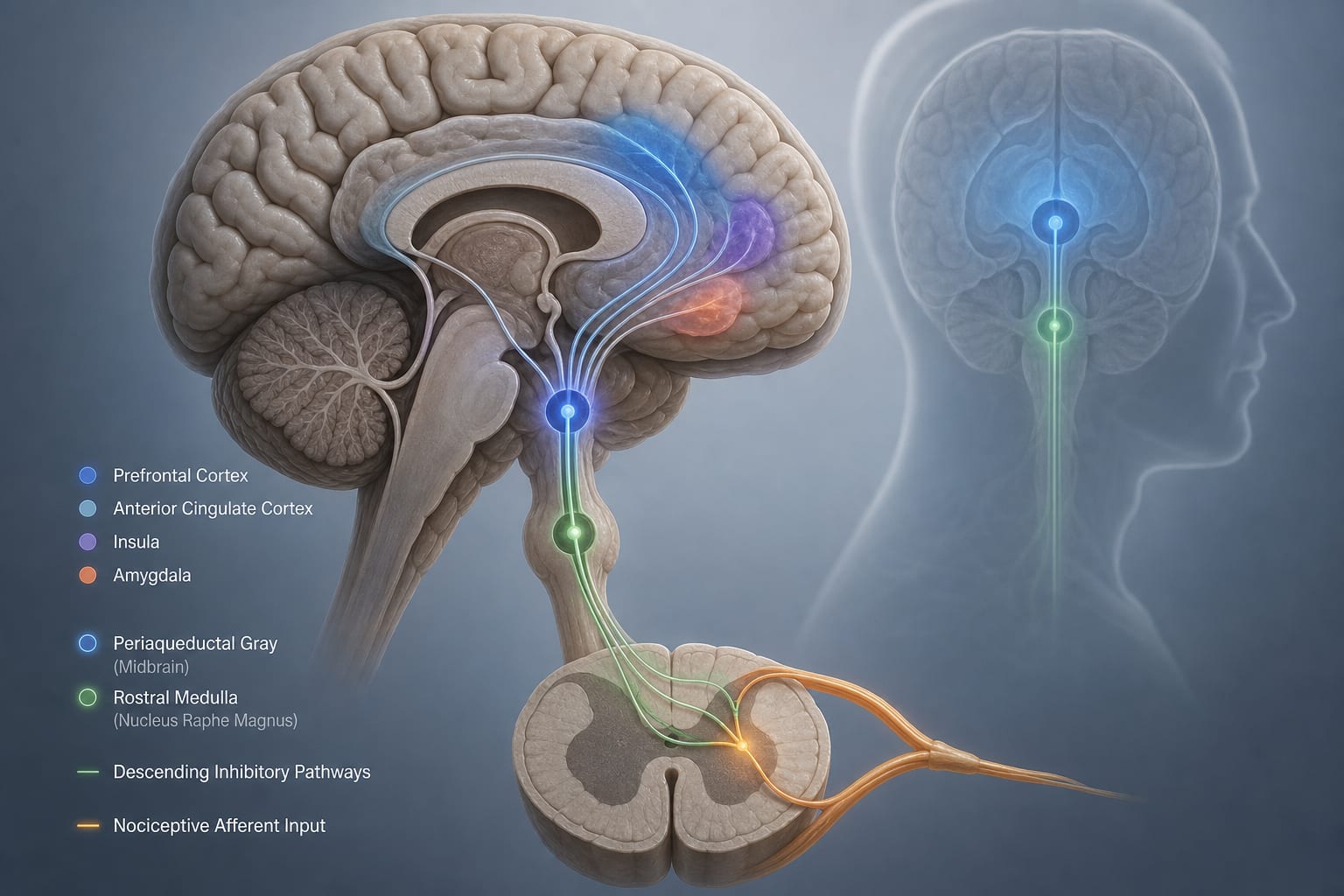
- Neuroplastic pain involves maladaptive pain signaling from the brain.
- Virtual reality systems have been FDA approved for chronic pain management.
- Innovative digital solutions aim to enhance existing medical programs.
Guideline-Based Recommendations
Diagnosis
- Utilize symptom tracking to identify patterns and inform treatment.
Management
- Incorporate digital tools and virtual programs to support chronic pain management.
Monitoring & Follow-up
- Use tracking apps to log symptoms and treatment responses.
Risks
- Ensure digital tools are used in the appropriate clinical context to avoid misinterpretation.
Patient & Prescribing Data
Individuals with chronic pain, including those with co-occurring conditions like anxiety and depression.
Digital solutions can enhance understanding of patient experiences and treatment efficacy.
Clinical Best Practices
- Integrate digital tools with traditional care models.
- Educate patients on the use of tracking apps for symptom management.
- Monitor the effectiveness of digital interventions in real-time.
Related Resources & Content