Unique Microbiota Profiles and Dysbiosis in Polyps of Peutz-Jeghers Syndrome Compared to Corresponding Normal Mucosa
-
By
-
Shuai Tang
-
Lei Wang
-
Chong-xi Fan
-
Zhe-yi Han
-
Lei Zhang
-
Bai-rong Li
-
Shou-Bin Ning
-
June 22, 2026
Clinical Scorecard: Unique Microbiota Profiles and Dysbiosis in Polyps of Peutz-Jeghers Syndrome Compared to Corresponding Normal Mucosa
At a Glance
| Category | Detail |
|---|
| Condition | Peutz-Jeghers Syndrome (PJS) |
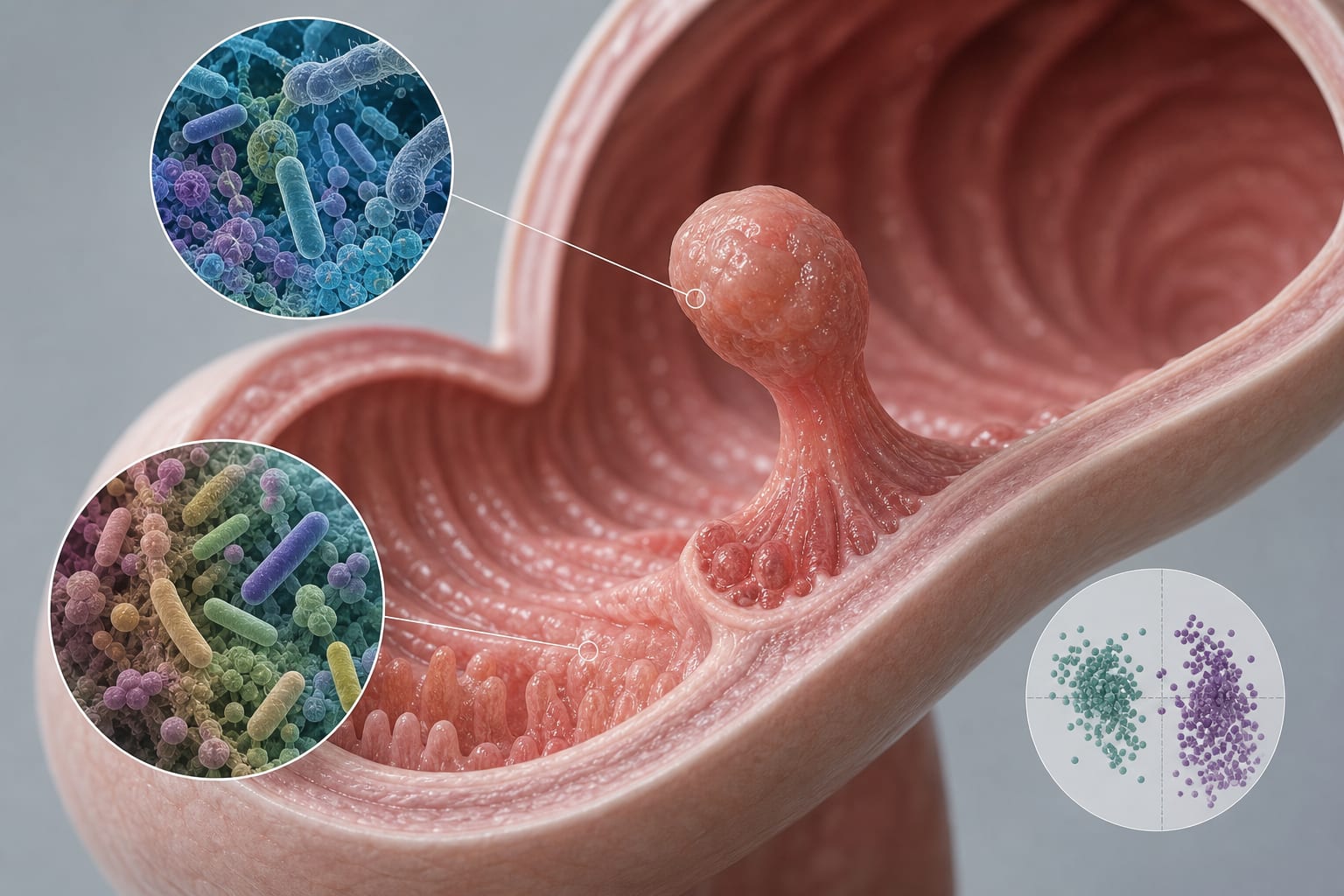
| Key Mechanisms | Mucosal microbial dysbiosis associated with gastrointestinal hamartomatous polyps. |
| Target Population | Patients with genetically confirmed Peutz-Jeghers syndrome. |
| Care Setting | Gastroenterology department, Air Force Medical Center. |
Key Highlights
- Significant reduction in alpha diversity in PJS polyps compared to normal mucosa.
- Polyps enriched in Pseudomonadota and depleted in Bacillota and Bacteroidota.
- Higher microbial dysbiosis index in polyps.
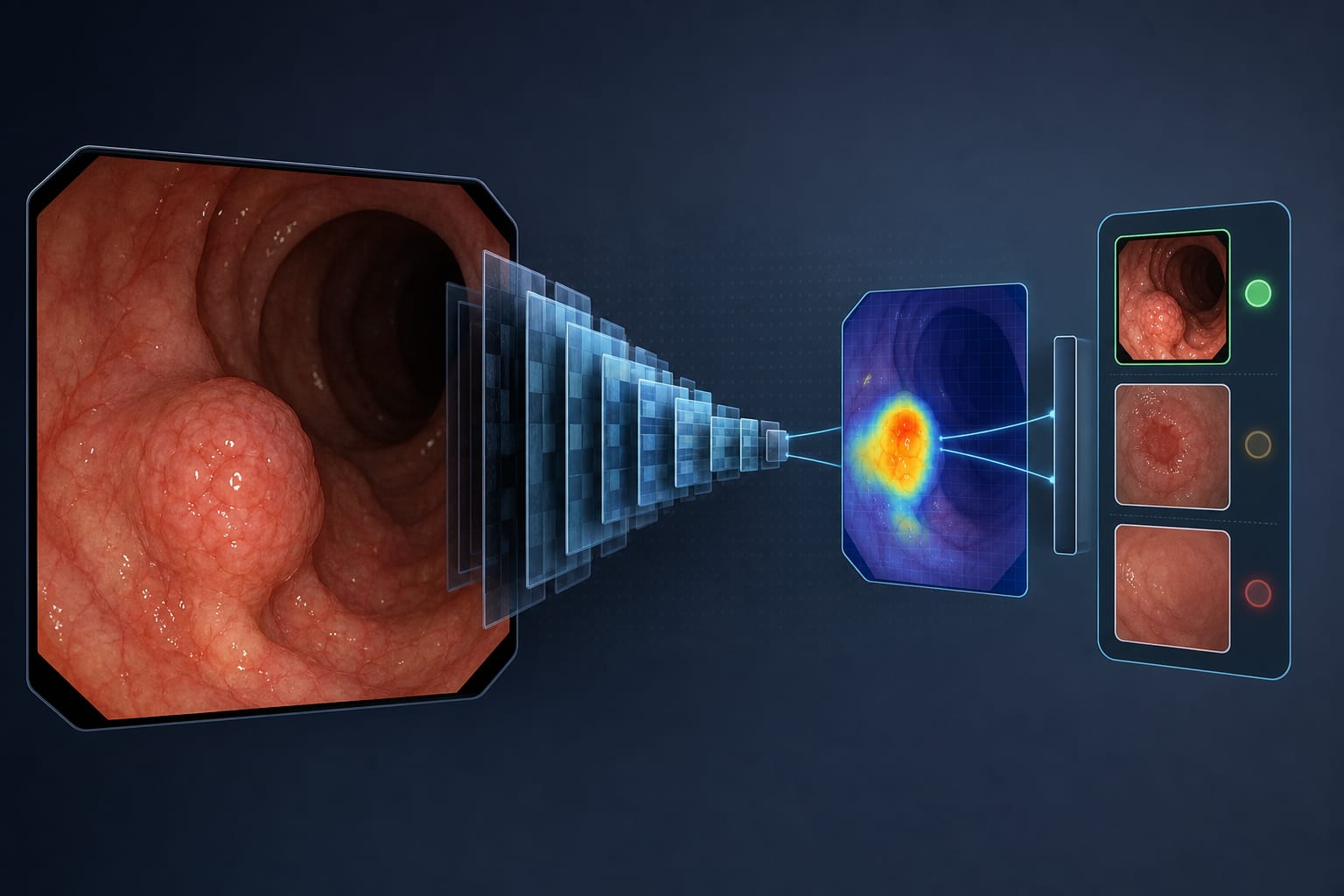
- Random forest model achieved AUC = 0.897 for polyp classification.
- Correlations identified between specific microbes and clinical parameters.
Guideline-Based Recommendations
Diagnosis
- Diagnosis based on histologically confirmed hamartomatous polyps or family history.
Management
- Standardized bowel preparation prior to procedures.
Monitoring & Follow-up
- Regular surveillance for polyp development and associated malignancies.
Risks
- Increased risk of multiple malignancies associated with PJS.
Patient & Prescribing Data
Patients aged 14–80 years with stable vital signs and BMI < 30 kg/m².
Exclusion of patients with significant comorbidities or recent use of certain medications.
Clinical Best Practices
- Utilize paired-sample design for microbiota studies to minimize variability.
- Employ advanced bioinformatics for microbial profiling.
- Consider microbial dysbiosis as a potential therapeutic target.
Related Resources & Content