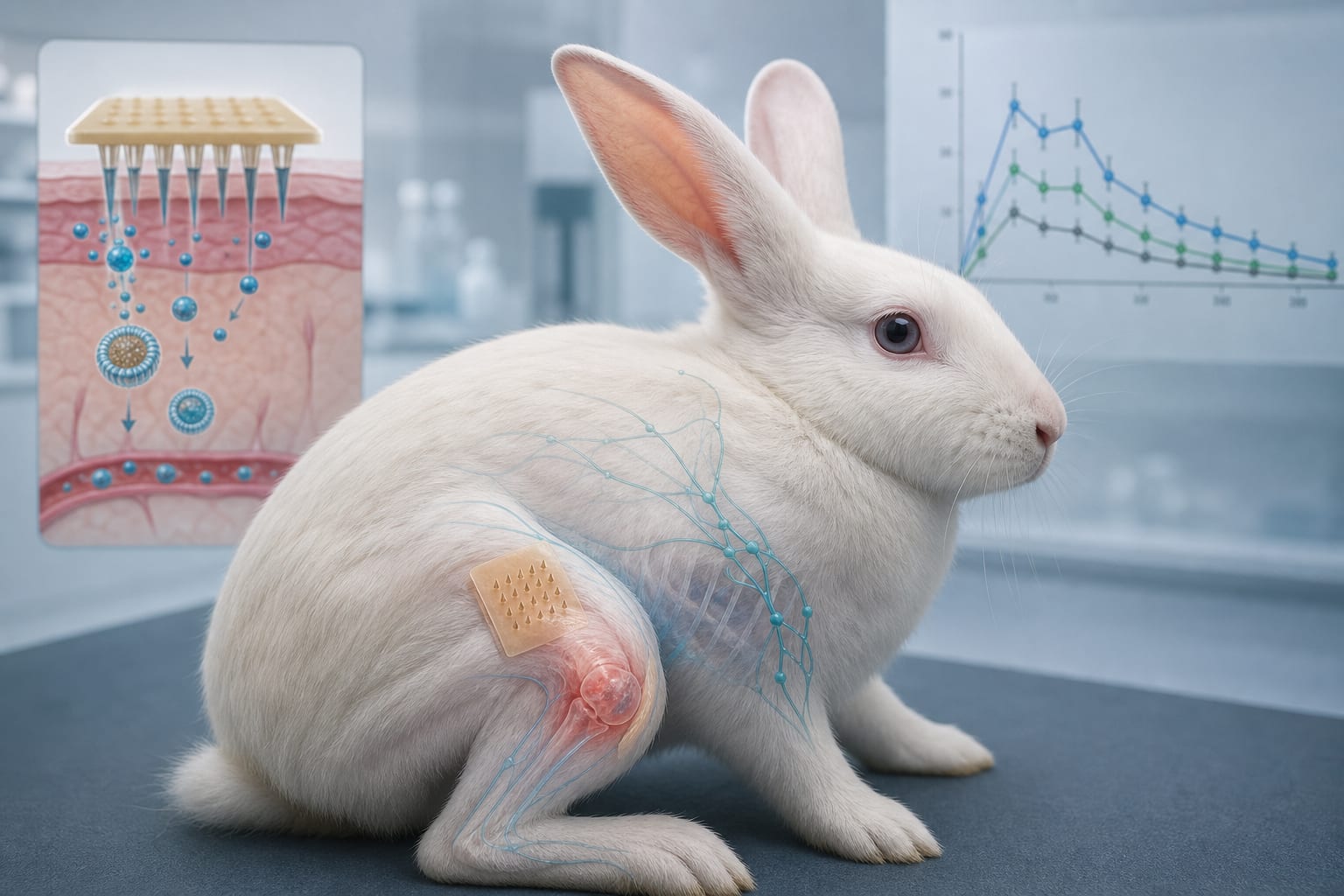
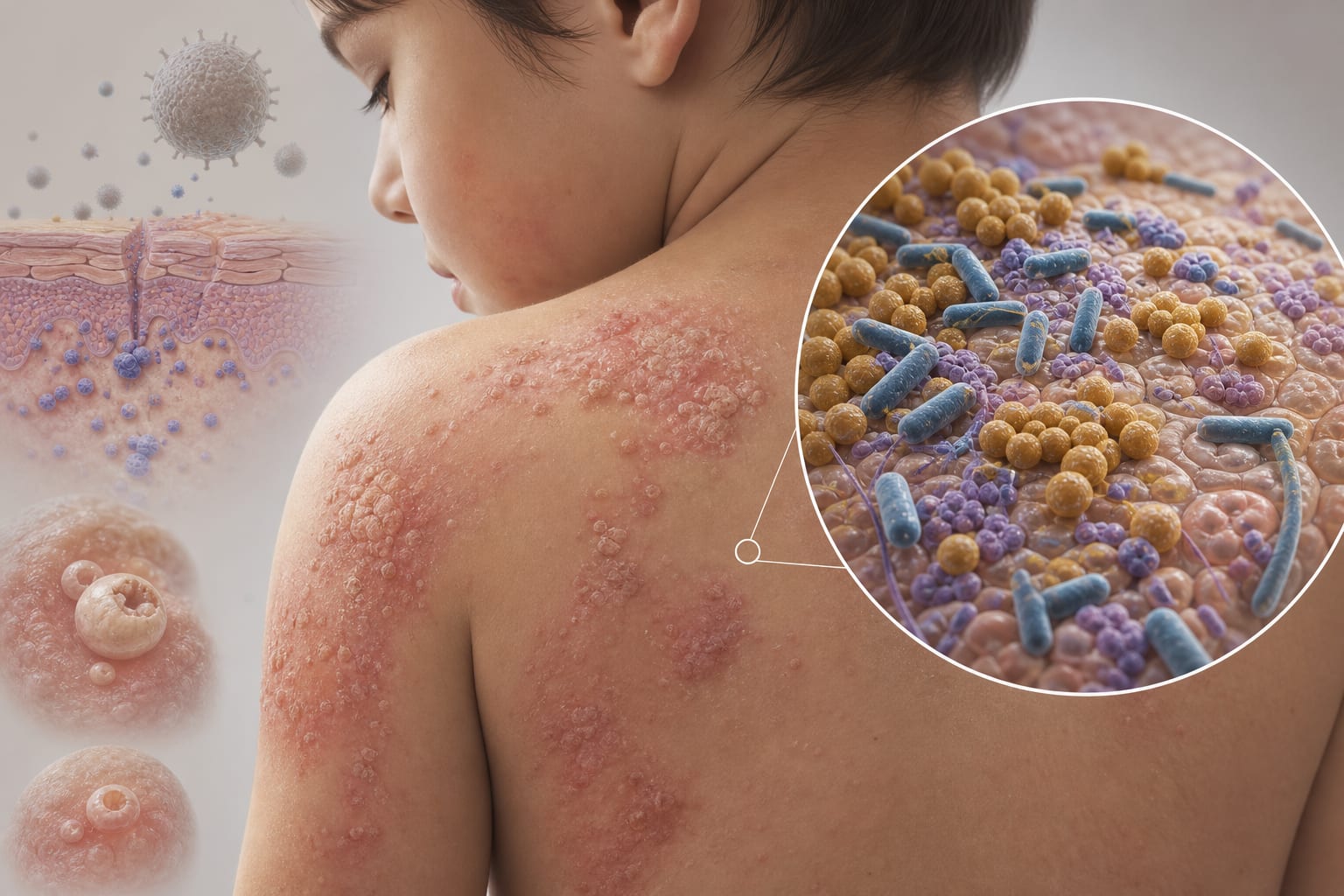
Effectiveness of Botulinum Toxin Type A for Trichodynia Associated with Hair Loss Disorders: A Retrospective Study
Clinical Scorecard: Efficacy of Botulinum Toxin Type A in Managing Trichodynia Linked to Hair Loss Conditions: A Retrospective Analysis
At a Glance
| Category | Detail |
|---|
| Condition | Trichodynia |
| Key Mechanisms | Increased expression of neurokinin-1 receptor and nerve growth factor contributing to nociceptive pathways. |
| Target Population | Patients with trichodynia associated with various types of alopecia. |
| Care Setting | Clinical setting for management of hair loss conditions. |
Key Highlights
- Intradermal botulinum toxin type A (BTA) showed rapid and sustained reduction of trichodynia severity.
- Minimal adverse effects were reported with BTA treatment.
- Trichodynia significantly impairs quality of life and is linked to psychological comorbidities.
- Conventional treatments for trichodynia are limited and often inconsistent.
- BTA may provide a prolonged therapeutic effect when administered every 3 months.
Guideline-Based Recommendations
Diagnosis
- Diagnosis established through comprehensive anamnesis and physical examination.
Management
- Consider intradermal BTA for patients unresponsive to conventional therapies.
Monitoring & Follow-up
- Monitor for symptom improvement and any adverse effects following BTA administration.
Risks
- Potential for minimal adverse effects associated with BTA treatment.
Patient & Prescribing Data
Patients with trichodynia linked to hair loss conditions who declined or discontinued systemic oral therapies.
BTA provided as off-label therapy effective for migraines and hyperhidrosis.
Clinical Best Practices
- Utilize a detailed anamnesis to assess trichodynia symptoms and triggers.
- Administer BTA using the Nappage technique for optimal results.
Related Resources & Content