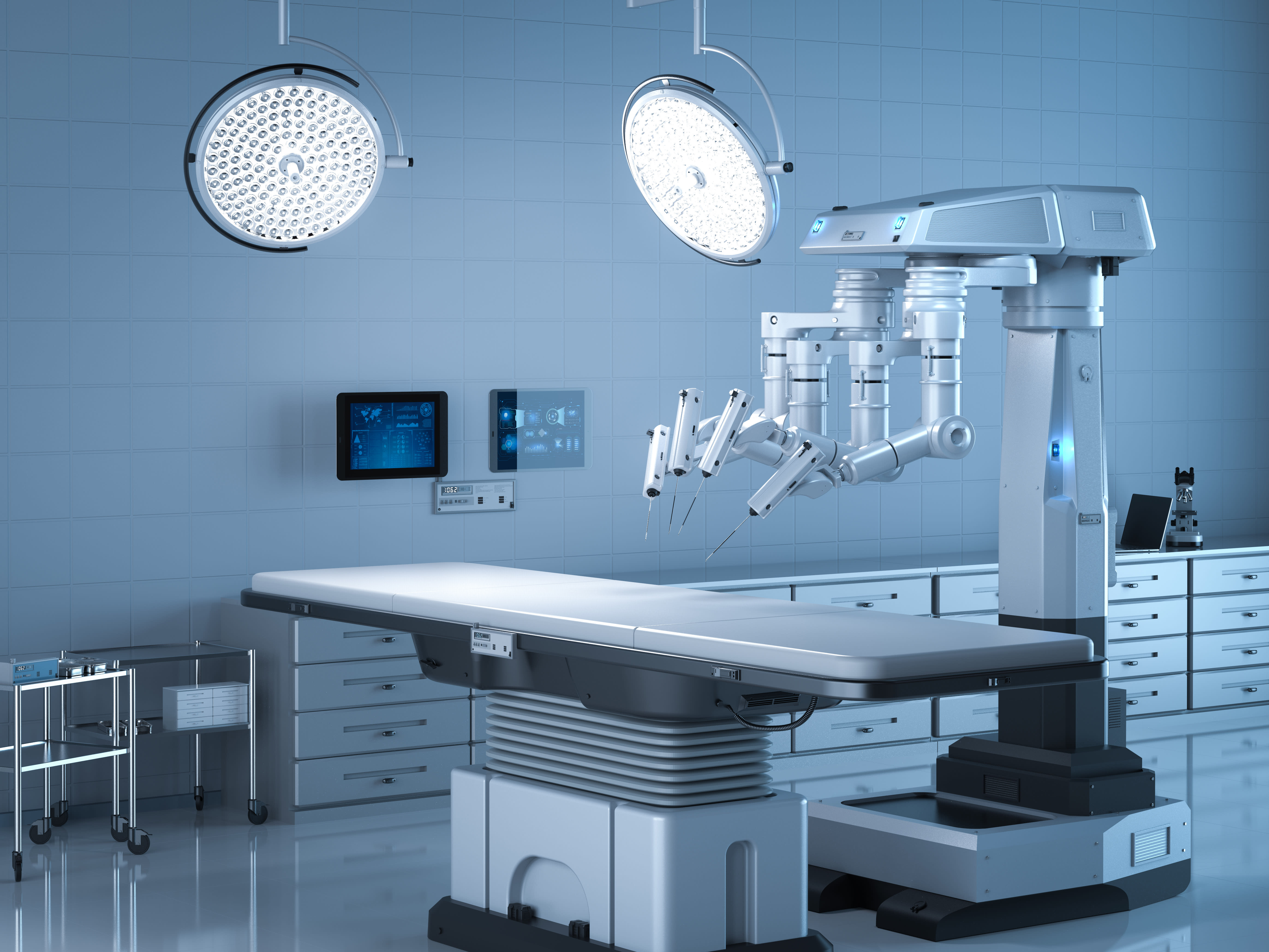
Clinical Scorecard: Robotic Surgery Shows Early Promise in Gynecology
At a Glance
Category
Detail
Condition
Key Mechanisms
Robotic-assisted surgery for improved visualization, precision, and cost-effectiveness compared to conventional methods.
Target Population
Care Setting
Key Highlights
Favorable perioperative outcomes reported in small retrospective studies
Hugo robotic system showed efficient docking, minimal blood loss, and short hospital stays
Dexter robotic system allowed integration with laparoscopic techniques without intraoperative complications
Postoperative complications included a 12.5% rate of vaginal dome infections
Need for further research on long-term outcomes, cost-effectiveness, and comparison with conventional laparoscopic surgery
Guideline-Based Recommendations
Diagnosis
Consider robotic-assisted surgery for patients with endometrial cancer, endometriosis, and uterine fibroids
Management
Utilize robotic systems for procedures like hysterectomy and myomectomy, while monitoring for complications
Monitoring & Follow-up
Track postoperative complications, particularly infection rates and recovery times
Risks
Potential for higher rates of specific complications such as vaginal dome infections compared to conventional methods
Patient & Prescribing Data
Robotic-assisted surgery may offer benefits in terms of reduced blood loss and shorter recovery, but further studies are needed to establish these benefits.
Clinical Best Practices
Conduct thorough preoperative assessments to identify suitable candidates for robotic surgery
Ensure proper training and standardization in robotic surgical techniques, including the development of standardized training curricula
Implement observational studies to compare robotic and conventional laparoscopic outcomes