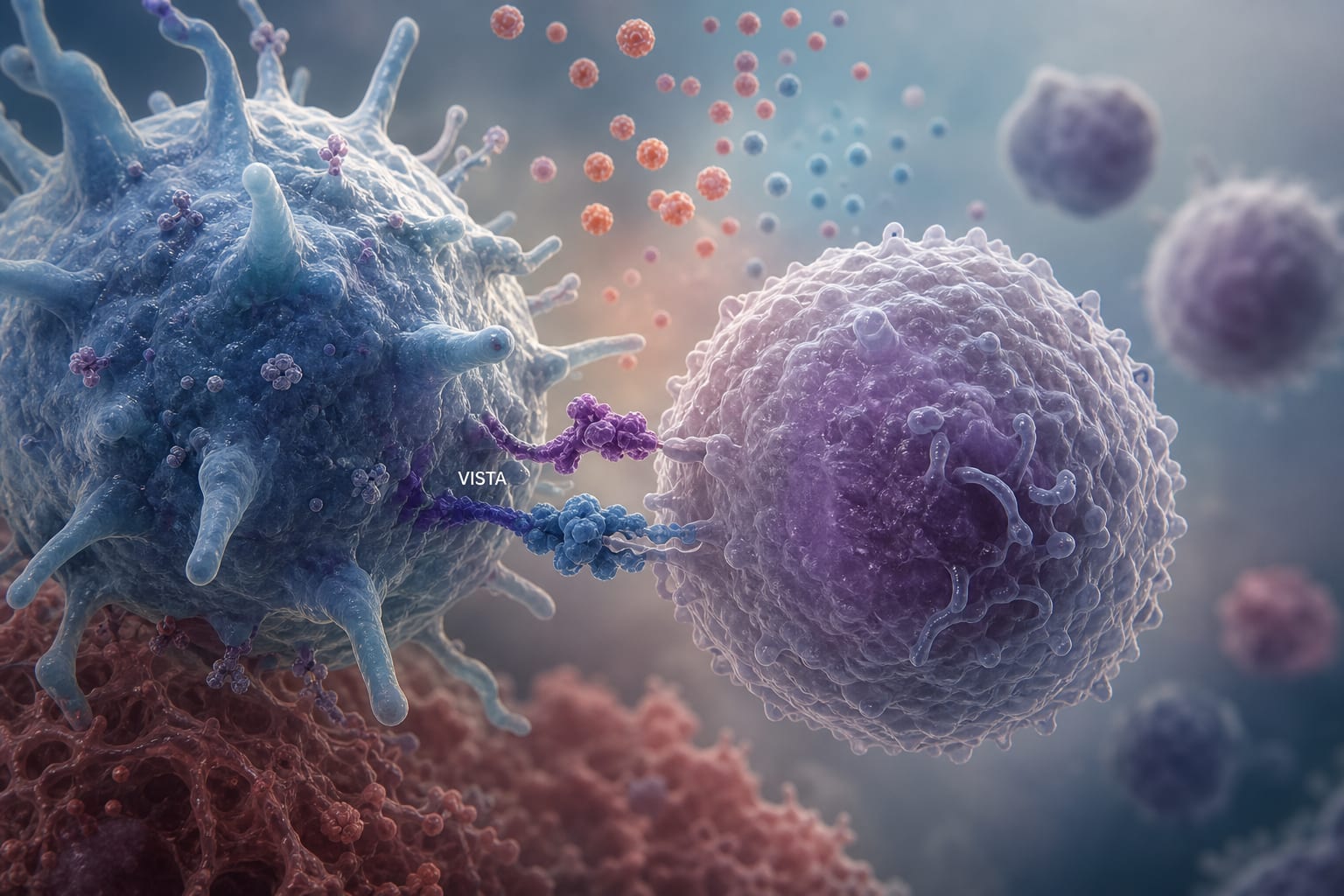
Mechanisms and Therapeutic Approaches of Gasdermin D-Induced Pyroptosis in Sepsis: Implications for Clinical Practice
By
Zixia Wang
Xiangyang Li
Bo Yuan
Junqiang Zhang
April 21, 2026
Clinical Scorecard: Mechanisms and Therapeutic Approaches of Gasdermin D-Induced Pyroptosis in Sepsis: Implications for Clinical Practice
At a Glance
Category Detail
Condition Sepsis Key Mechanisms Gasdermin D (GSDMD)-driven pyroptosis leading to immune dysregulation and organ dysfunction. Target Population Patients with sepsis, particularly those with severe cases and high mortality risk. Care Setting Hospital and intensive care unit (ICU).
Key Highlights
GSDMD activation via canonical and non-canonical pathways leads to pyroptosis. Elevated GSDMD-NT levels correlate with increased mortality in sepsis. Pyroptosis exacerbates bacteremia and systemic inflammation. Potential therapies include disulfiram and anti-GSDMD mAb26.5. Clinical challenges include biomarker validation and organ-specific delivery. Guideline-Based Recommendations
Diagnosis
Utilize SOFA score for diagnosing organ dysfunction in sepsis. Monitor levels of pyroptosis markers such as GSDMD-NT. Management
Consider disulfiram and anti-GSDMD mAb26.5 for treatment. Implement phase-adapted interventions based on patient response. Monitoring & Follow-up
Regularly assess inflammatory markers and organ function. Track patient response to therapies and adjust as necessary. Risks
High mortality rates in low/middle-income countries. Long-term cognitive impairment and functional disabilities in survivors. Patient & Prescribing Data
Patients with severe sepsis and septic shock.
Combination therapies may enhance efficacy; monitor for adverse effects.
Clinical Best Practices
Early recognition and treatment of sepsis are critical. Utilize a multidisciplinary approach for managing sepsis. Incorporate emerging therapies and biomarkers into clinical practice. References