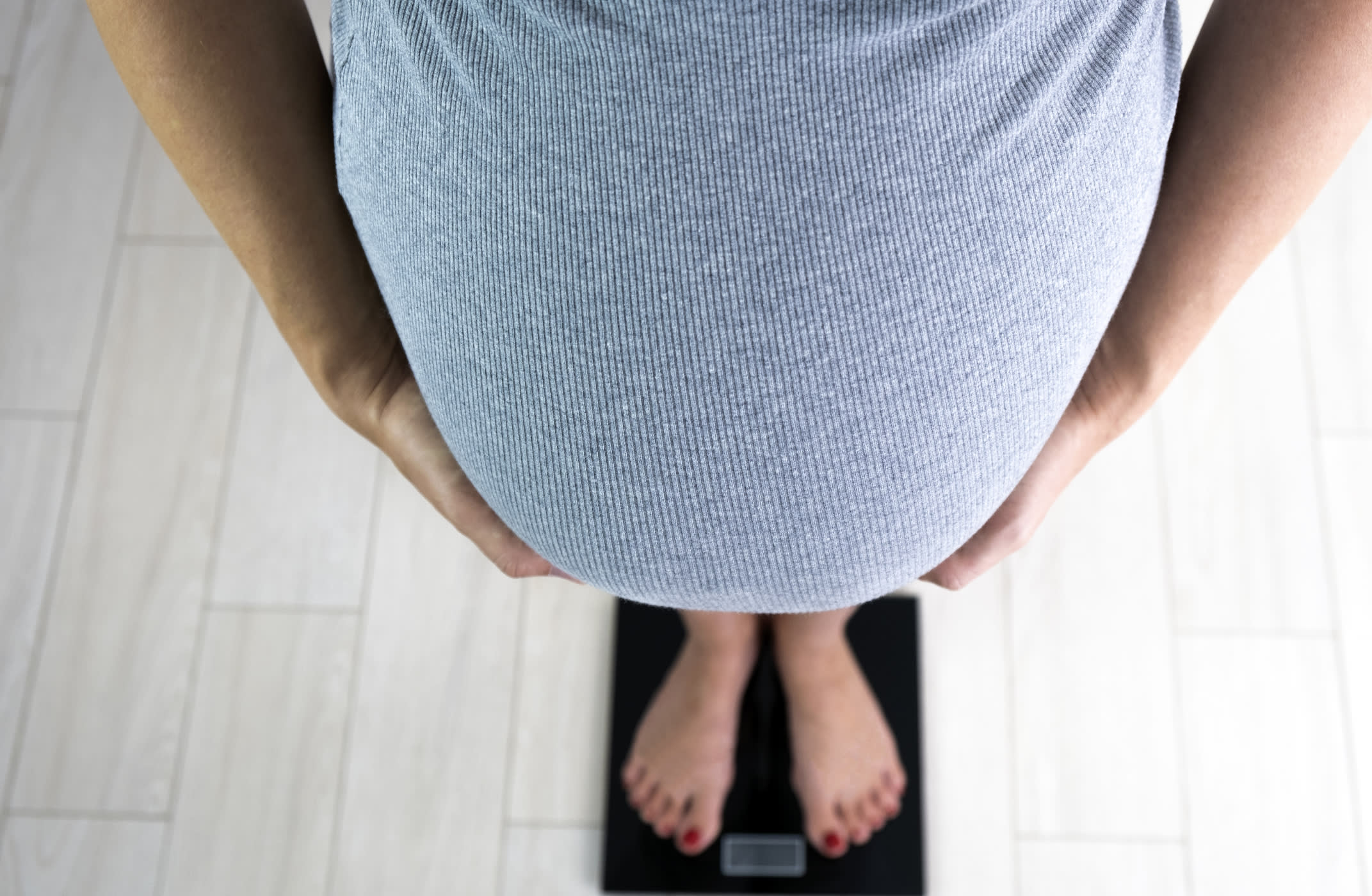
GROWell App Fails to Curb Pregnancy Weight Gain
Mobile health intervention does not significantly reduce excessive gestational weight gain or postpartum weight retention in randomized trial
-
By
-
Alun Evans
-
March 4, 2026
-
Clinical Scorecard: GROWell App Fails to Curb Pregnancy Weight Gain
At a Glance
| Category | Detail |
|---|
| Condition | Excessive Gestational Weight Gain (GWG) and Postpartum Weight Retention (PPWR) |
| Key Mechanisms | Personalized dietary goals delivered via mobile app or text messaging, based on self-regulation and social cognitive theory. |
| Target Population | Pregnant women with pre-pregnancy BMI between 25 and 42 kg/m², 10–16 weeks’ gestation. |
| Care Setting | Remote, app-based intervention. |
Key Highlights
- No significant reduction in excessive GWG or PPWR compared to control group.
- 35% of intervention group experienced excessive GWG; 36% in control group.
- 23% of intervention group met criteria for PPWR at 6 months postpartum; 26% in control group.
- Adherence to dietary goal tracking averaged 72% among intervention participants.
- Study cohort was racially and ethnically diverse.
Guideline-Based Recommendations
Diagnosis
- Monitor gestational weight gain according to Institute of Medicine recommendations.
Management
- Consider personalized dietary interventions, but assess effectiveness in diverse populations.
Monitoring & Follow-up
- Utilize remote weight monitoring tools like Bluetooth scales for self-weighing.
Risks
- Potential for excessive GWG and PPWR remains high in populations with overweight or obesity.
Patient & Prescribing Data
Pregnant women with overweight or obesity.
Intervention did not outperform control; further studies needed to explore timing and content tailoring.
Clinical Best Practices
- Incorporate physical activity components into dietary interventions.
- Culturally tailor content and goals to specific demographics.
- Improve program reach to include participants with lower educational levels.
References