Clinical Scorecard: Lidocaine Infusion as a Therapeutic Approach for Refractory Trigeminal Neuralgia: A Retrospective Case Series and Systematic Analysis
At a Glance
Category
Detail
Condition
Trigeminal neuralgia (TGN), characterized by unilateral paroxysmal facial pain in trigeminal nerve distribution
Key Mechanisms
Neurovascular compression in classical TGN; secondary causes include multiple sclerosis, neoplasms, or space-occupying lesions
Target Population
Adults (≥18 years) with refractory trigeminal neuralgia unresponsive to standard pharmacological treatment
Care Setting
Neurosurgery clinic and hospital infusion setting with continuous monitoring
Key Highlights
TGN diagnosis requires exclusion of differential diagnoses and adherence to ICHD-3 criteria
Carbamazepine is first-line pharmacological treatment; 6–27% of patients are refractory
Intravenous lidocaine infusion (1.5 mg/kg over 60 min) offers symptomatic relief in refractory cases with continuous vital monitoring
Guideline-Based Recommendations
Diagnosis
Use clinical evaluation guided by ICHD-3 criteria to diagnose TGN
Initiate carbamazepine as first-line pharmacological treatment
Consider oxcarbazepine as an alternative
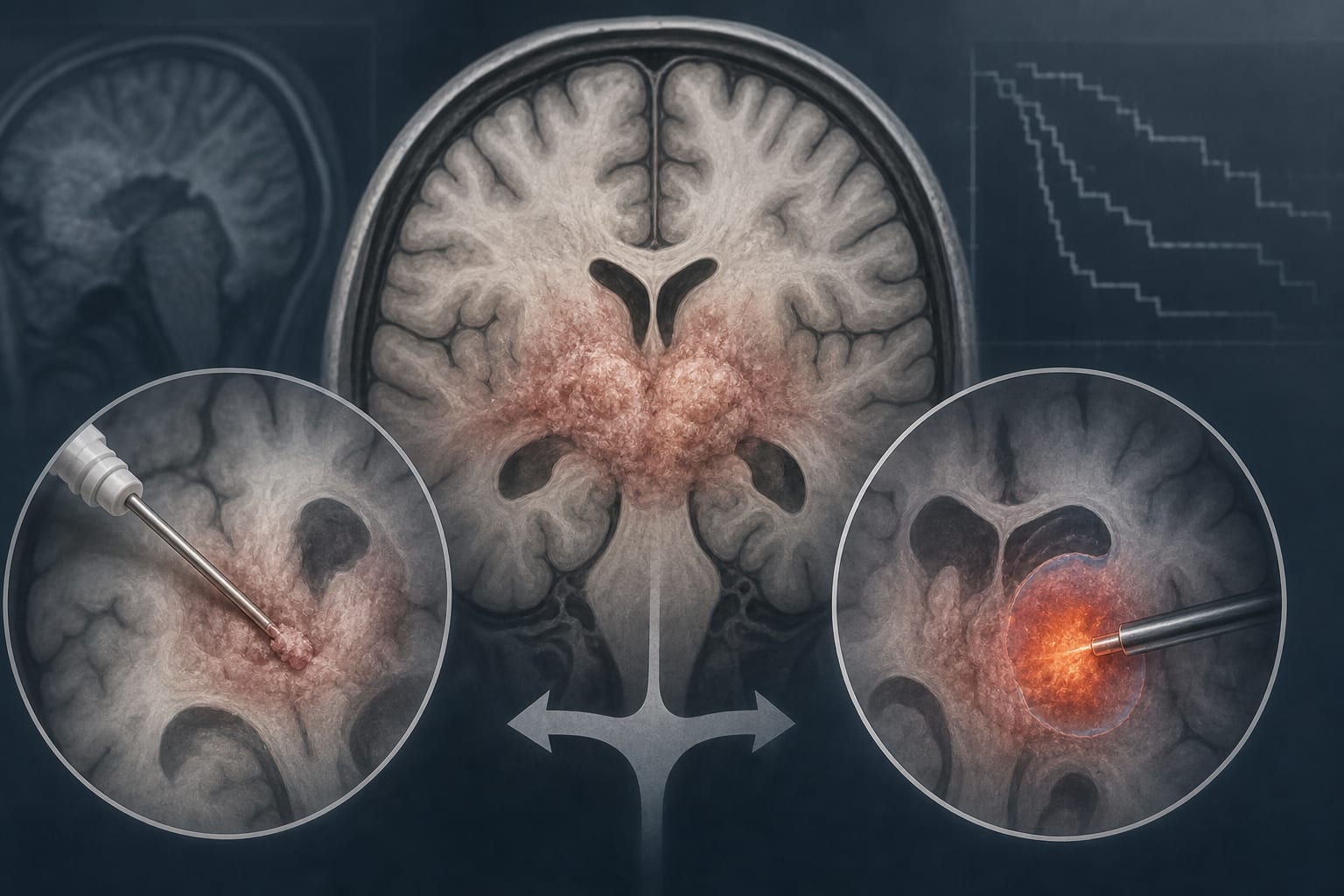
For refractory patients, evaluate non-pharmacological interventions such as radiofrequency ablation, stereotactic radiosurgery, or microvascular decompression
Use intravenous lidocaine infusion as rescue therapy in medically refractory patients unsuitable for surgery
Monitoring & Follow-up
Continuous monitoring of ECG, blood pressure, and oxygen saturation during lidocaine infusion
Follow-up assessments at six weeks and up to two years using validated pain intensity scores (e.g., Barrow Neurological Institute pain intensity score)
Risks
Monitor for lidocaine toxicity and adverse effects as per consensus safety guidelines
Avoid concurrent treatments during lidocaine infusion sessions to isolate therapeutic effect
Patient & Prescribing Data
Adults with refractory trigeminal neuralgia failing standard pharmacological and/or surgical treatments
Intravenous lidocaine at 1.5 mg/kg over 60 minutes can provide temporary analgesic effects; duration of pain relief varies (<3 months to >6 months)
Clinical Best Practices
Confirm diagnosis of TGN using ICHD-3 criteria and exclude mimicking conditions
Use validated pain scales (BNI score) for objective assessment of treatment response
Adhere to institutional protocols for lidocaine infusion dosing and monitoring
Provide thorough patient counseling regarding off-label use and potential benefits and risks of intravenous lidocaine
Ensure multidisciplinary follow-up including neurology and neurosurgery teams
The nearly 15,000-square-foot facility will integrate multidisciplinary care, including neurology, neurosurgery, brain imaging, and physical medicine and rehabilitation.