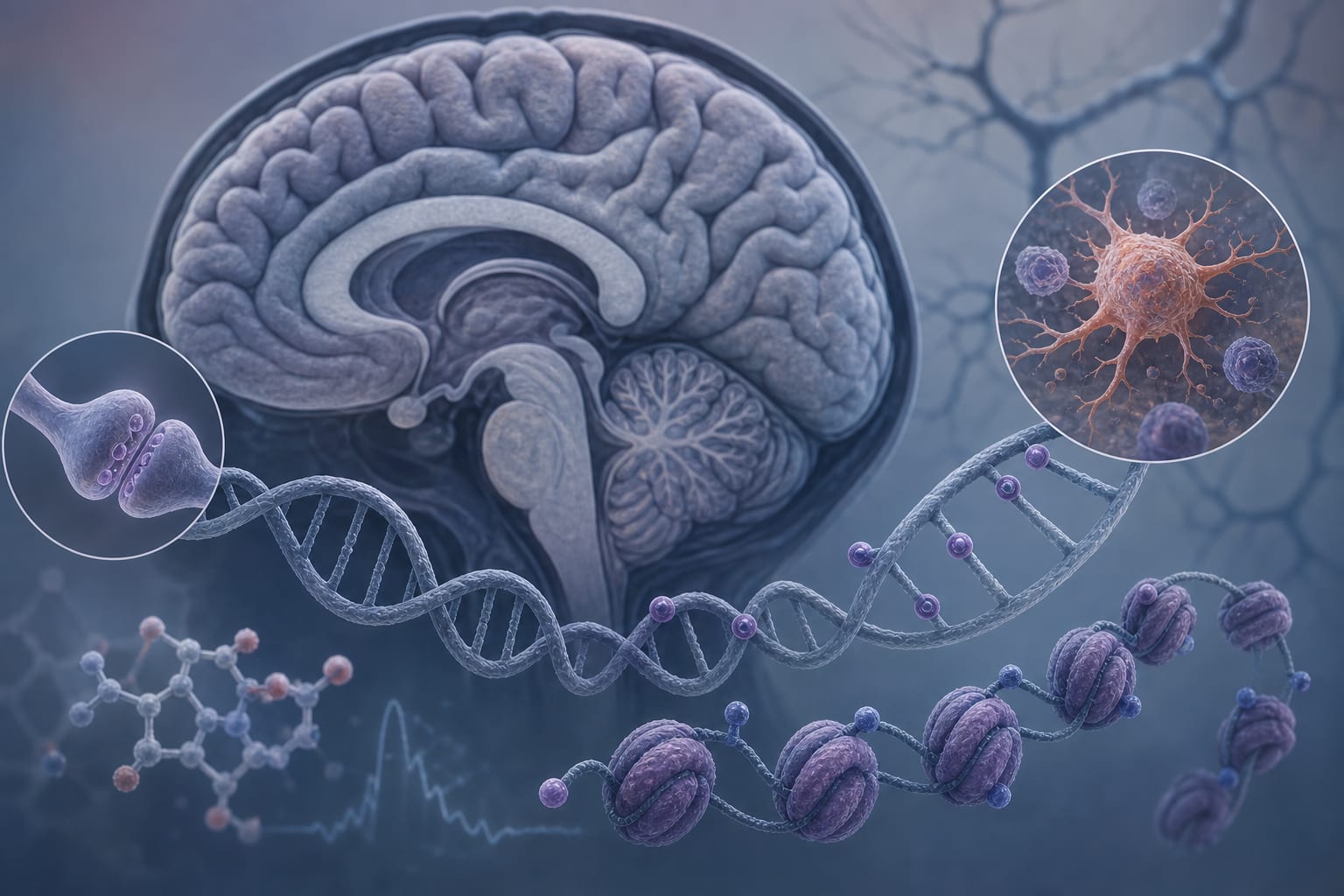
Exploring the Neurobiological Markers of Suicidal Behaviors in Pediatric Population: A Narrative Review
By
Salehi, Mona
Saeidi, Mahdieh
Amanat, Man
Barias, Tala
Anyeji, Urenna
Alzein, Omar
Gunturu, Sasidhar
May 13, 2026
Clinical Scorecard: Investigating Neurobiological Indicators of Suicidal Behavior in Children and Adolescents: A Comprehensive Review
At a Glance
Category Detail
Condition Suicidal behavior in children and adolescents Key Mechanisms Neurobiological correlates including genetic, epigenetic, inflammatory, metabolic, and endocrine factors Target Population Children and adolescents Care Setting Pediatric mental health care
Key Highlights
Suicide is the second leading cause of death among children and adolescents. Pediatric suicidal behavior shows distinct biological signatures compared to adults. Cortisol regulation and stress-related DNA methylation differ between pediatric and adult cohorts. Genetic liability and early-life adversity influence the hypothalamic-pituitary-adrenal axis. Longitudinal, multimodal studies are needed to advance understanding of pediatric suicidal behavior. Guideline-Based Recommendations
Diagnosis
Disaggregate suicidal phenotypes in pediatric populations. Management
Apply age-stratified reference ranges for interventions. Monitoring & Follow-up
Consider developmental factors in monitoring suicidal behavior. Risks
Recognize that adult biomarker data cannot be directly extrapolated to youth. Patient & Prescribing Data
Pediatric and adolescent populations experiencing suicidal ideation or behavior.
Mechanism-targeted interventions should be informed by biological processes specific to youth.
Clinical Best Practices
Conduct longitudinal studies to understand the development of suicidal behavior. Utilize multimodal approaches to assess neurobiological indicators. Related Resources & Content