Conexiant’s news site is now MDSpire News. Learn more
Advertisement
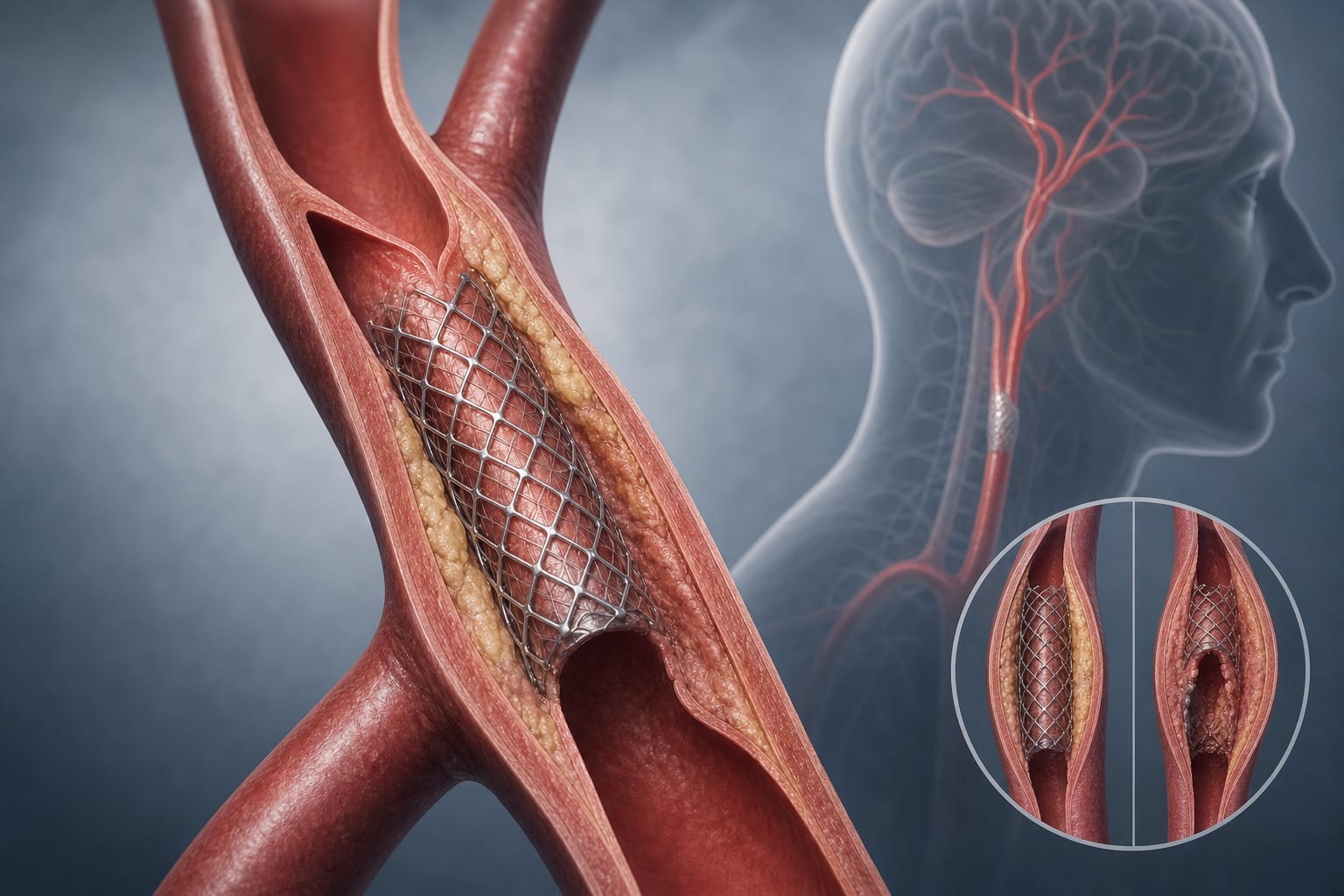
Comparative Analysis of In-Stent Stenosis or Occlusion Following Carotid Artery Stenting in Patients Undergoing Anticoagulant Versus Antiplatelet Treatment
Clinical Scorecard: Comparative Analysis of In-Stent Stenosis or Occlusion Following Carotid Artery Stenting in Patients Undergoing Anticoagulant Versus Antiplatelet Treatment
At a Glance
Category
Detail
Condition
In-stent stenosis or occlusion after carotid artery stenting
Key Mechanisms
Thromboembolic events and clinical impact of in-stent stenosis
Target Population
Patients undergoing carotid artery stenting
Care Setting
Tertiary referral center
Key Highlights
10.0% prevalence of severe restenosis or occlusion after CAS over a mean 62-month follow-up.
20.2% developed ≥50% stenosis over a mean follow-up of 51.7 months.
DAPT reduces 30-day risk of ipsilateral thromboembolic events compared to SAPT.
Limited data on DOACs for stroke prevention and CAS.
Higher incidence of in-stent stenosis or occlusion hypothesized in patients on anticoagulants.
Guideline-Based Recommendations
Diagnosis
Standardized diagnostic criteria for in-stent stenosis are lacking.
Management
DAPT recommended during the periprocedural period and for at least 4 weeks postoperatively.
Monitoring & Follow-up
Patients monitored for thromboembolic and bleeding risks post-CAS.
Risks
Increased risk of recurrent TIA or stroke in patients on anticoagulants.
Patient & Prescribing Data
Patients with significant (≥50%) carotid artery stenosis undergoing CAS.
Patients on DOACs or VKAs may require tailored antithrombotic management.
Clinical Best Practices
Initiate DAPT at least 3 days before CAS.
Consider patient-specific factors when managing anticoagulation and antiplatelet therapy.
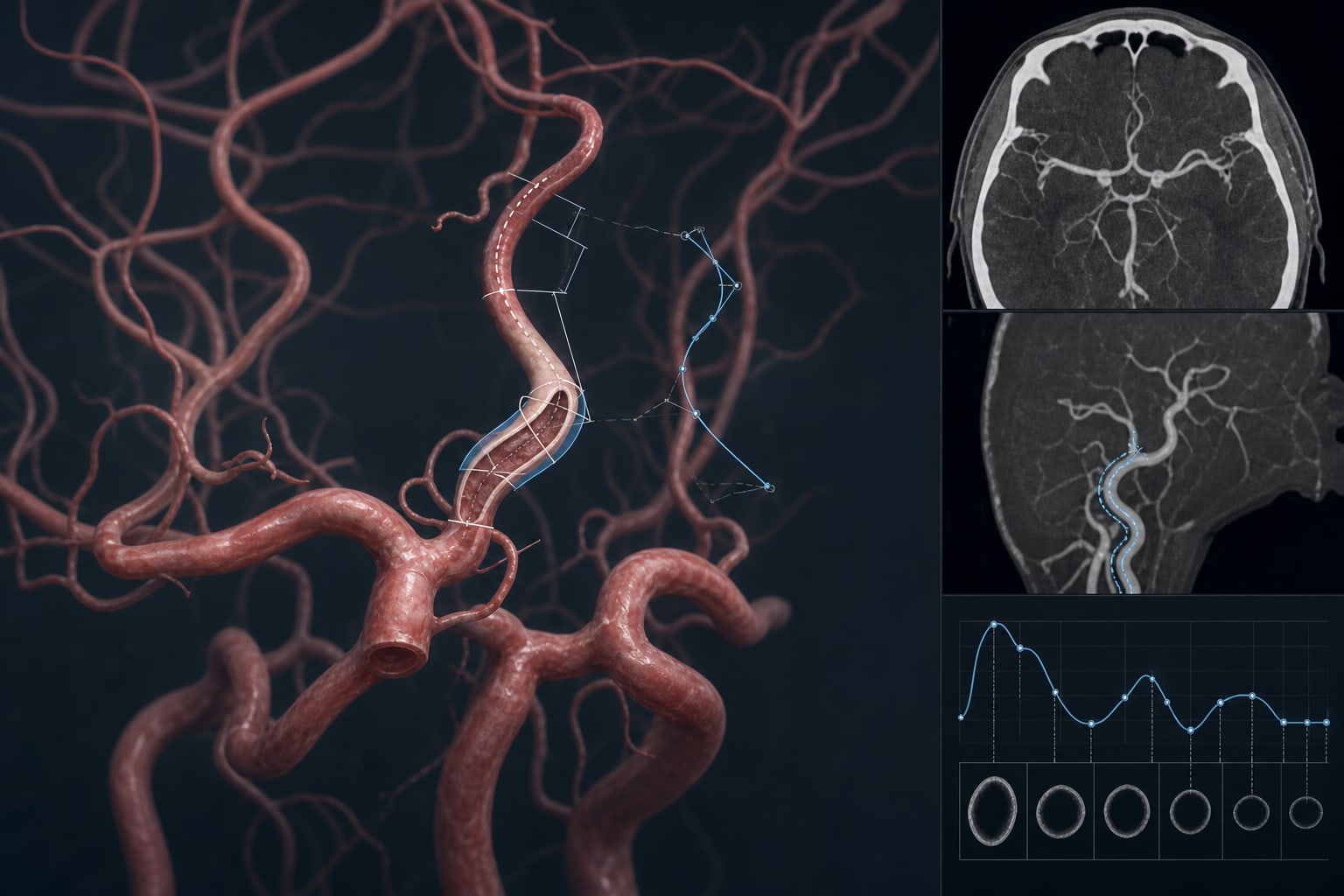
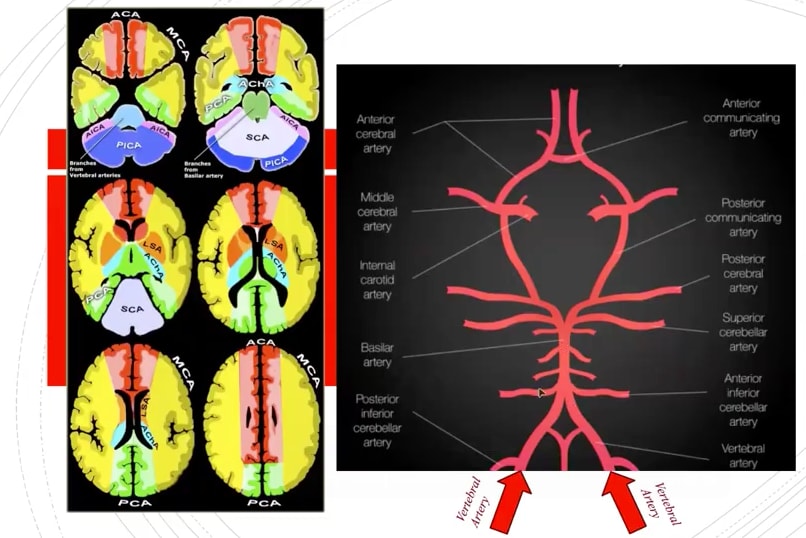
Bowhunter syndrome (BHS) is a rare but important cause of posterior circulation stroke in children, resulting from vertebral artery compression during head rotation.