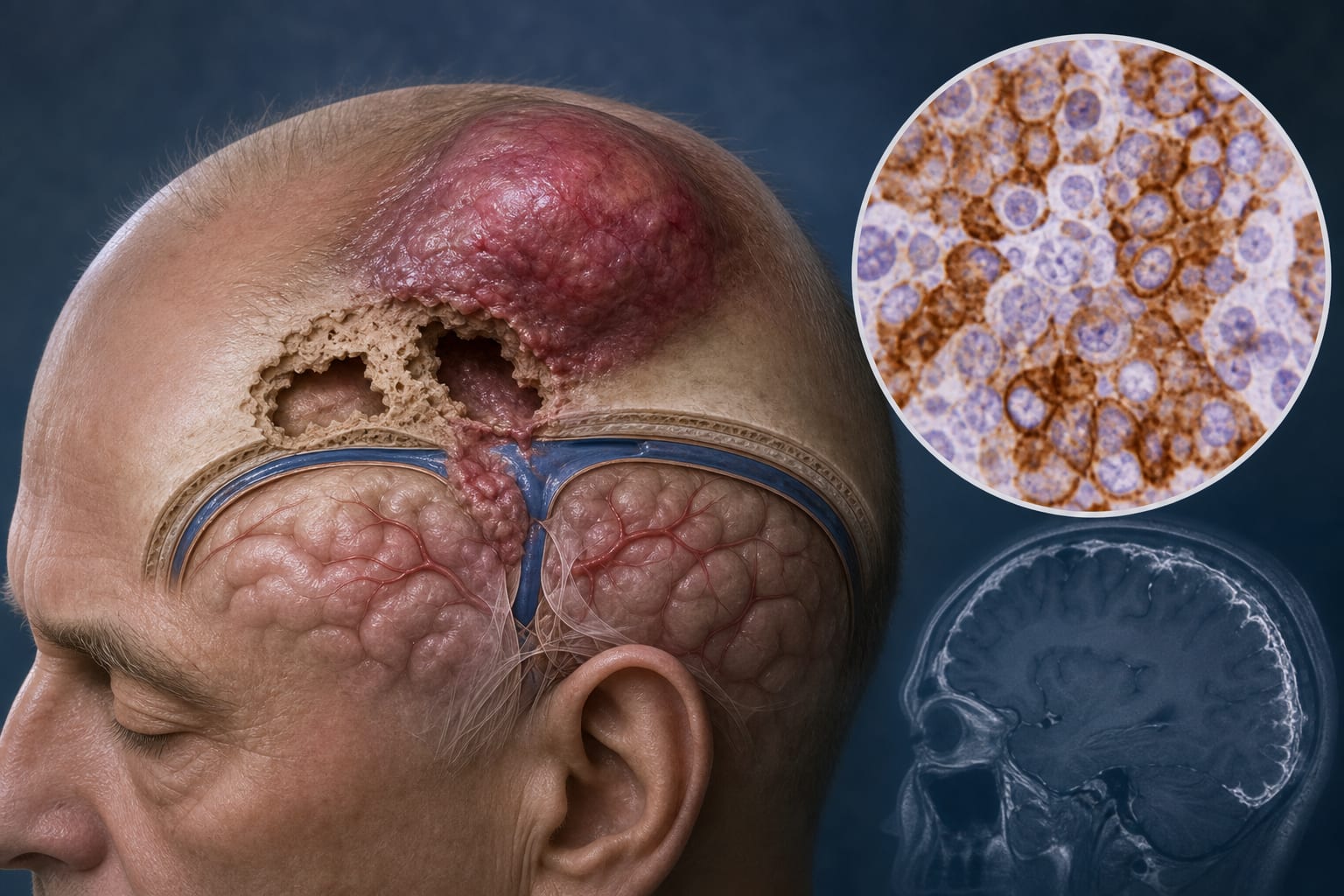
Clinical Scorecard: Customized Prognostic Assessment for Newly Diagnosed Glioblastoma Using a Statistical Decision Tree Approach
At a Glance
Category
Detail
Condition
Glioblastoma (GBM), an aggressive primary brain tumor with limited overall survival
Key Mechanisms
Heterogeneous clinical, radiological, and molecular tumor characteristics influencing prognosis
Target Population
Patients with newly diagnosed, IDH wild-type glioblastoma
Care Setting
Specialized neuro-oncology centers with access to MRI, molecular diagnostics, and multidisciplinary tumor boards
Key Highlights
Prognostic factors include age, clinical status, tumor location, extent of resection, and MGMT promoter methylation status
Tumor classification excludes IDH-mutant gliomas per WHO 2021 criteria to focus on GBM
Development of a prognostication tool integrating clinical, radiological, and molecular data to estimate individual survival probability
Guideline-Based Recommendations
Diagnosis
Confirm GBM diagnosis histologically and molecularly excluding IDH mutations
Perform MRI including contrast-enhanced T1-weighted sequences for tumor characterization and extent
Assess molecular markers including MGMT promoter methylation, p53, and Ki67 proliferation index when available
Management
Decide between tumor biopsy or resection based on tumor location and involvement of eloquent brain regions
Aim for gross total resection (≥95% tumor removal) when feasible
Adjuvant treatment typically follows the Stupp protocol of radiochemotherapy
Consider enrollment in clinical trials for eligible patients
Monitoring & Follow-up
Use MRI 72 hours post-surgery to assess extent of resection
Monitor for tumor recurrence with MRI and clinical evaluation
Evaluate clinical symptoms including neurological deficits, cognitive changes, and seizures at diagnosis and recurrence
Risks
Tumors involving eloquent brain regions or multifocal/multicentric lesions may limit resection options
Comorbidities assessed by Charlson Comorbidity Index impact prognosis
Older age and poor Karnofsky performance status correlate with worse outcomes
Patient & Prescribing Data
Newly diagnosed GBM patients treated at a single center from 2010 to 2021 excluding IDH-mutant tumors
Most patients received radiochemotherapy per Stupp protocol; some received radiotherapy alone or participated in clinical trials including CeTeG, GLARIUS, CENTRIC, NOA-08, and PCV regimens
Clinical Best Practices
Integrate clinical, radiological, and molecular data early after diagnosis to personalize prognosis
Use objective criteria such as extent of resection assessed by early postoperative MRI
Apply standardized comorbidity scoring (CCI) and performance status (KPS) to refine survival estimates
Discuss treatment plans in multidisciplinary tumor boards to optimize individualized care