An exploratory pre–post study of an intensive somatosensory activity-based intervention on participation-related goals, motor performance and somatosensory function in children with unilateral cerebral palsy - Scorecard - MDSpire
Conexiant’s news site is now MDSpire News. Learn more
Advertisement
An Investigative Pre–Post Analysis of an Intensive Somatosensory Activity Intervention on Participation Goals, Motor Skills, and Somatosensory Function in Children with Unilateral Cerebral Palsy
Clinical Scorecard: An Investigative Pre–Post Analysis of an Intensive Somatosensory Activity Intervention on Participation Goals, Motor Skills, and Somatosensory Function in Children with Unilateral Cerebral Palsy
At a Glance
Category
Detail
Condition
Unilateral Cerebral Palsy
Key Mechanisms
Somatosensory processing, motor performance, occupational performance
Target Population
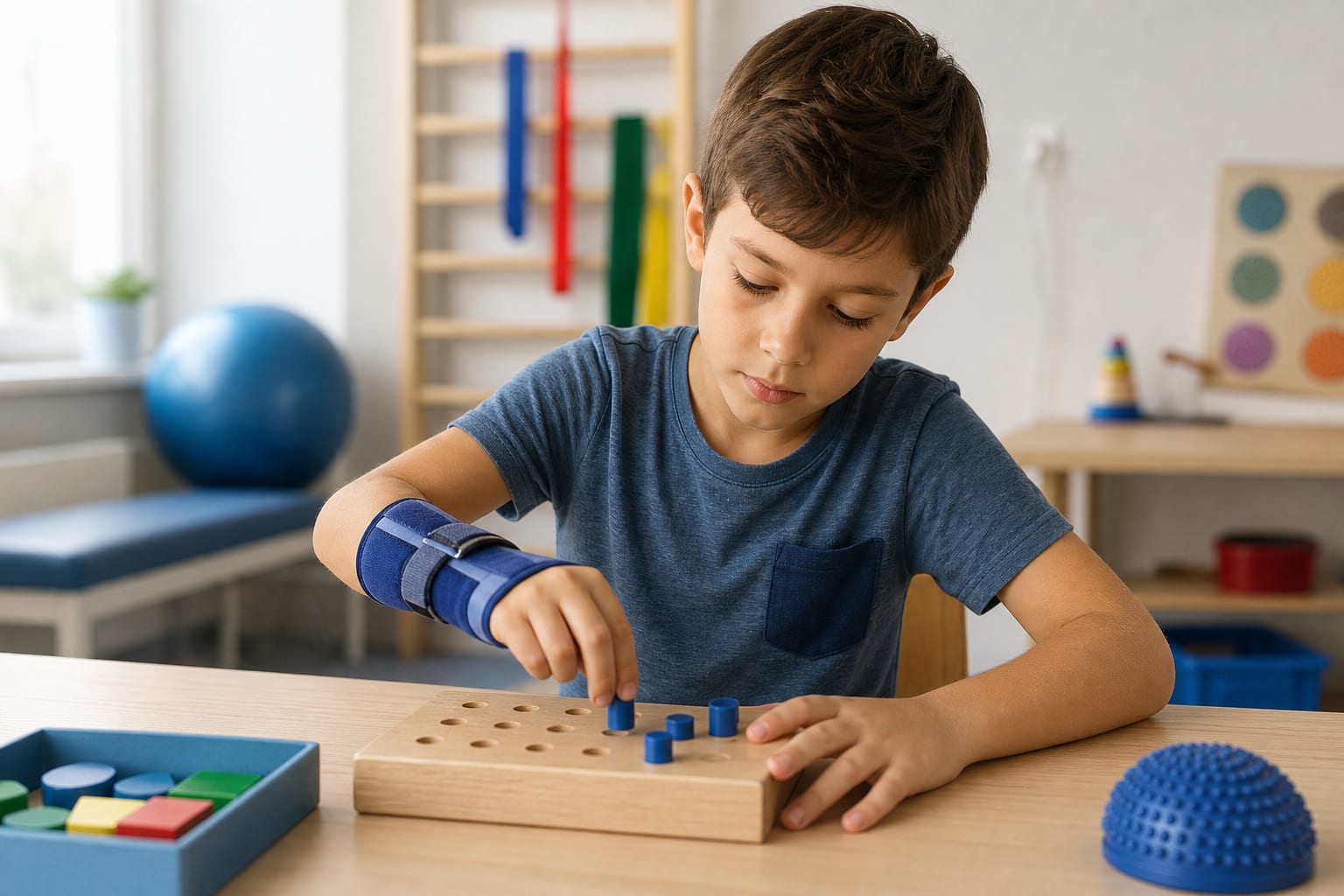
Children aged 6–15 years with unilateral cerebral palsy
Care Setting
Clinical and home-based intervention
Key Highlights
Significant improvement in goal-related occupational performance (71.47% increase in COPM performance)
Enhanced family satisfaction (62.51% increase)
Improvements in manual dexterity (12% increase in Box and Block Test)
Somatosensory outcomes showed improvements in several domains, including graphaesthesia and texture perception (33% increase each)
Limited change observed in tactile registration and stereognosis
Guideline-Based Recommendations
Diagnosis
Assess somatosensory function using a predefined assessment battery
Management
Implement intensive somatosensory activity-based interventions targeting the more-affected upper limb
Monitoring & Follow-up
Evaluate changes in occupational performance and satisfaction using COPM and other standardized tests
Risks
Findings should be interpreted cautiously due to the exploratory nature of the study and lack of control group
Patient & Prescribing Data
Children with unilateral cerebral palsy exhibiting somatosensory impairments
36 hours of intervention over three weeks, combining clinic-based and home practice
Clinical Best Practices
Focus on goal setting in collaboration with the family
Utilize principles of motor learning in therapy
Incorporate repetitive and intensive practice in interventions