Oral Glutamatergic Augmentation for Trauma-Related Disorders with Fluoxetine- / Bupropion-Potentiated Dextromethorphan ± Piracetam: A Four-Patient Case Series - Scorecard - MDSpire
Advertisement
Oral Glutamatergic Augmentation for Trauma-Related Disorders with Fluoxetine- / Bupropion-Potentiated Dextromethorphan ± Piracetam: A Four-Patient Case Series
Clinical Scorecard: Glutamatergic Augmentation in Treating Trauma-Related Disorders: A Case Series of Four Patients Using Dextromethorphan with Fluoxetine and Bupropion ± Piracetam
At a Glance
Category
Detail
Condition
Trauma-Related Disorders (PTSD and Complex PTSD)
Key Mechanisms
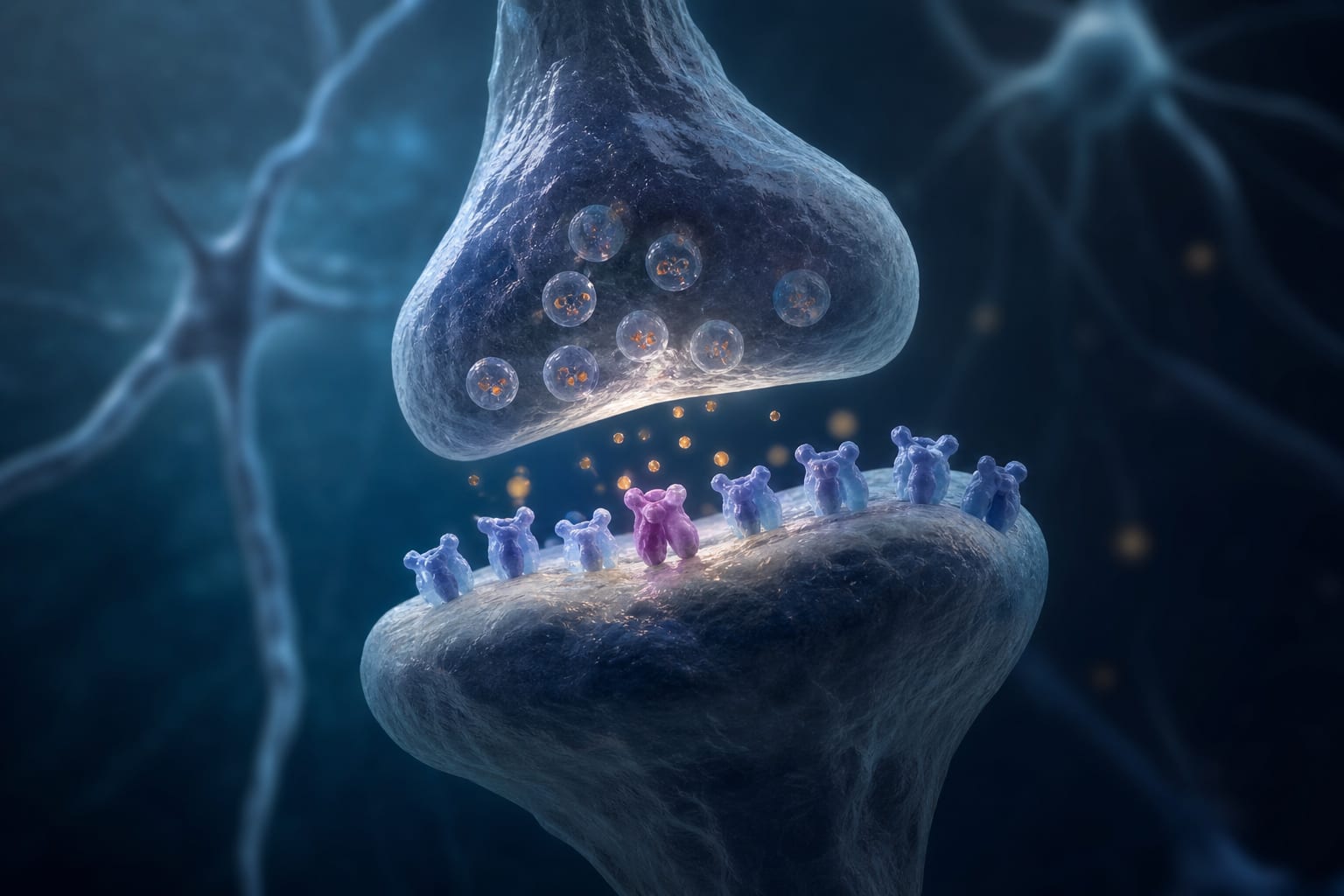
Glutamate-based treatments that enhance synaptic plasticity and disrupt fear-conditioned neural circuits.
Target Population
Patients with hard-to-treat trauma-spectrum disorders, including PTSD and related conditions.
Care Setting
Clinical setting with a focus on pharmacological intervention.
Key Highlights
Clinically meaningful symptom improvement within days to weeks.
Treatment protocol includes dextromethorphan (DXM) with fluoxetine, and optionally bupropion and/or piracetam.
Notable reductions in intrusive memories, rumination, somatic pain, and functional disability.
No documented episodes of dissociation, hypertension, or mania during follow-up.
Findings are hypothesis-generating for further research on NMDA–AMPA modulators.
Guideline-Based Recommendations
Diagnosis
Consider trauma-related disorders in patients with PTSD and complex PTSD symptoms.
Management
Utilize a treatment protocol centered on dextromethorphan with fluoxetine, and consider bupropion and/or piracetam as adjuncts.
Monitoring & Follow-up
Monitor for symptoms of hypomania/mania and serotonergic toxicity, although structured screening was not performed in this case series.
Risks
Potential risks include serotonergic toxicity and mood destabilization, though not observed in this series.
Patient & Prescribing Data
Four patients with various trauma-related disorders.
The combination of DXM and fluoxetine showed rapid symptom relief without significant adverse effects.
Clinical Best Practices
Consider glutamatergic augmentation strategies for patients with treatment-resistant trauma-related disorders.
Monitor patients closely for any emerging side effects during treatment.