Clinical Scorecard: Comprehensive omics analysis reveals ADAM9 as a crucial mediator of efferocytosis in lung adenocarcinoma
At a Glance
Category
Detail
Condition
Key Mechanisms
Efferocytosis-related genes (ERGs), specifically ADAM9, play a role in tumor progression and immune modulation, highlighting its dual role in both promoting and evading immune responses.
Target Population
Care Setting
Key Highlights
ADAM9 expression correlates with immunosuppressive microenvironments in LUAD.
A prognostic model based on ADAM9 and ERG signatures stratifies patients into high- and low-risk groups, demonstrating robust predictive accuracy.
High ADAM9 expression is linked to increased M2 macrophage infiltration.
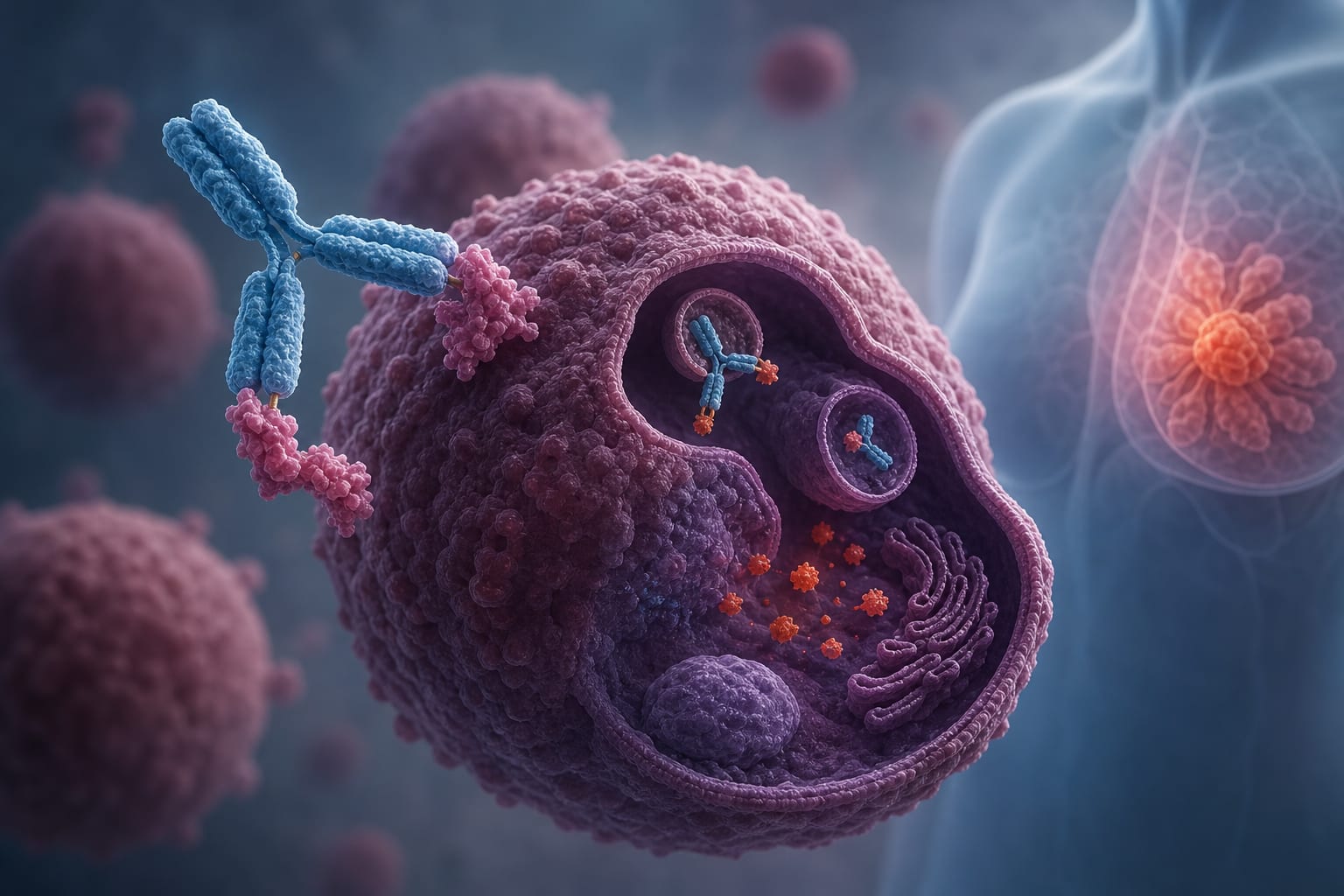
ADAM9 regulates efferocytosis and polarization in M2 macrophages, impacting tumor cell proliferation.
The IL-6/STAT3 signaling pathway is involved in the effects of ADAM9 on tumor progression.
Guideline-Based Recommendations
Diagnosis
Utilize TCGA-LUAD datasets for comprehensive genomic and transcriptomic analysis.
Management
Consider ADAM9 as a potential therapeutic target in precision medicine strategies for LUAD.
Utilize single-cell sequencing to analyze tumor microenvironment interactions.
Monitoring & Follow-up
Monitor ADAM9 expression levels as a prognostic indicator of survival outcomes.
Risks
High ADAM9 expression may correlate with poorer prognosis due to immunosuppressive effects.
Patient & Prescribing Data
516 LUAD patients with comprehensive clinical information.
ADAM9-driven efferocytosis may inform personalized treatment strategies by identifying patient-specific immune responses.
Clinical Best Practices
Incorporate ERG signatures into prognostic models for LUAD.
Utilize single-cell sequencing to analyze tumor microenvironment interactions.
Monitor ADAM9 expression levels as a prognostic indicator of survival outcomes.