Commentary: Baseline systemic immune-inflammation index and a novel FLIPI-SII model predict POD24 and long-term survival in grade 1–3a follicular lymphoma - Scorecard - MDSpire
Conexiant’s news site is now MDSpire News. Learn more
Advertisement
Analysis: The Baseline Systemic Immune-Inflammation Index and the Innovative FLIPI-SII Model as Predictors of POD24 and Long-Term Outcomes in Grade 1–3a Follicular Lymphoma
Clinical Scorecard: Analysis: The Baseline Systemic Immune-Inflammation Index and the Innovative FLIPI-SII Model as Predictors of POD24 and Long-Term Outcomes in Grade 1–3a Follicular Lymphoma
At a Glance
Category
Detail
Condition
Grade 1–3a Follicular Lymphoma
Key Mechanisms
Baseline systemic immune-inflammation index (SII) as a prognostic marker
Target Population
Patients with grade 1–3a follicular lymphoma
Care Setting
Oncology, specifically in the context of immunochemotherapy
Key Highlights
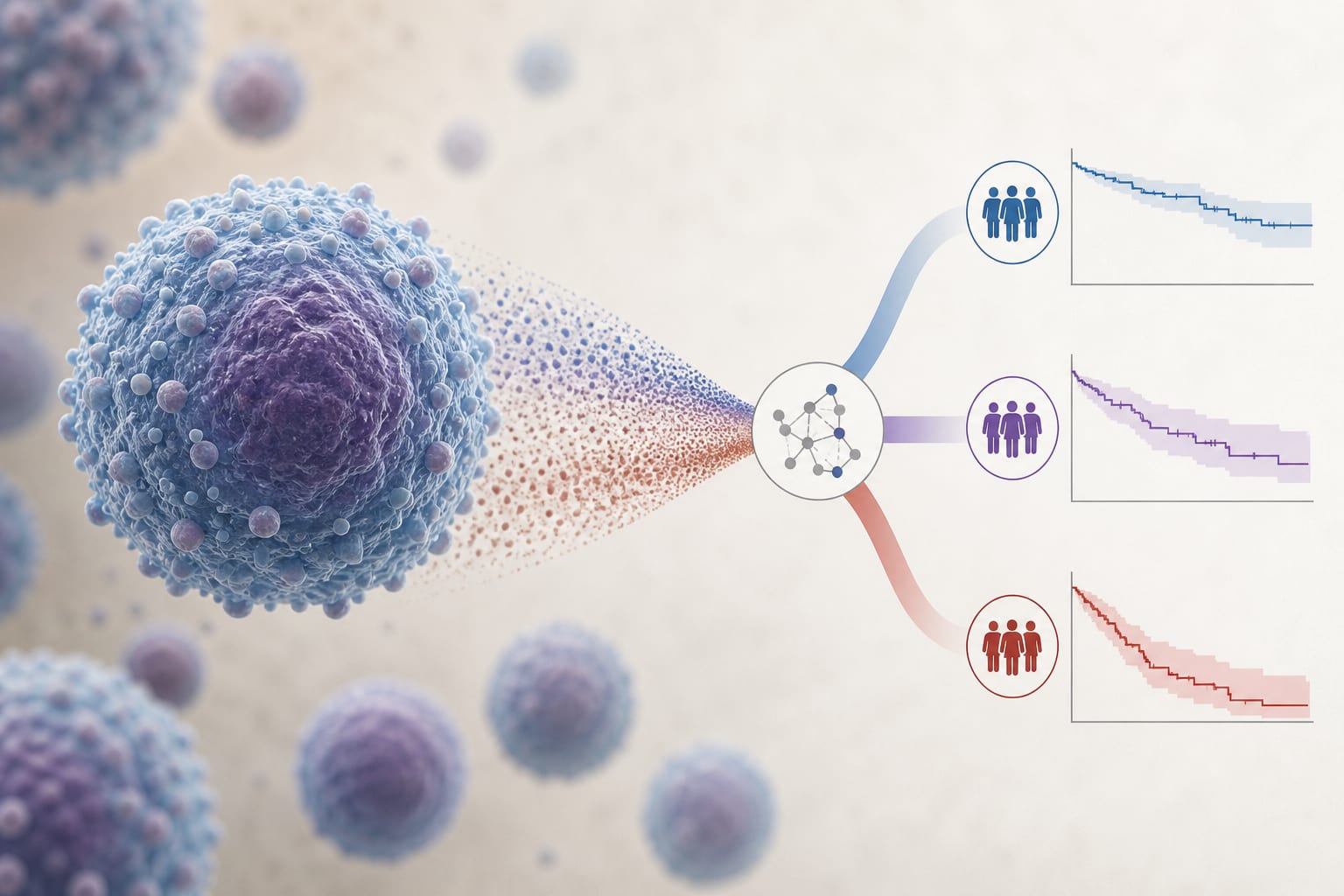
FLIPI-SII model combines FLIPI with SII for prognostic stratification.
Elevated baseline SII is associated with poorer overall survival and progression-free survival.
FLIPI-SII is validated across multiple centers, enhancing its generalizability.
Prognostic information does not equate to treatment-selection guidance.
Current evidence supports FLIPI-SII for risk stratification, not treatment decisions.
Guideline-Based Recommendations
Diagnosis
Assess baseline systemic immune-inflammation index (SII) in patients with grade 1–3a follicular lymphoma.
Management
Utilize FLIPI-SII for prognostic stratification in patients undergoing immunochemotherapy.
Monitoring & Follow-up
Monitor progression status within the first 24 months post-treatment initiation.
Risks
High SII indicates ongoing prognostic risk, but does not imply reduced benefit from rituximab.
Patient & Prescribing Data
Patients treated with rituximab-based immunochemotherapy for follicular lymphoma.
Current evidence does not support FLIPI-SII as a treatment-selection biomarker.
Clinical Best Practices
Use FLIPI-SII for risk communication and follow-up planning.
Distinguish between prognostic information and treatment-effect prediction.
Ensure adequate evaluation of progression status when assessing POD24.
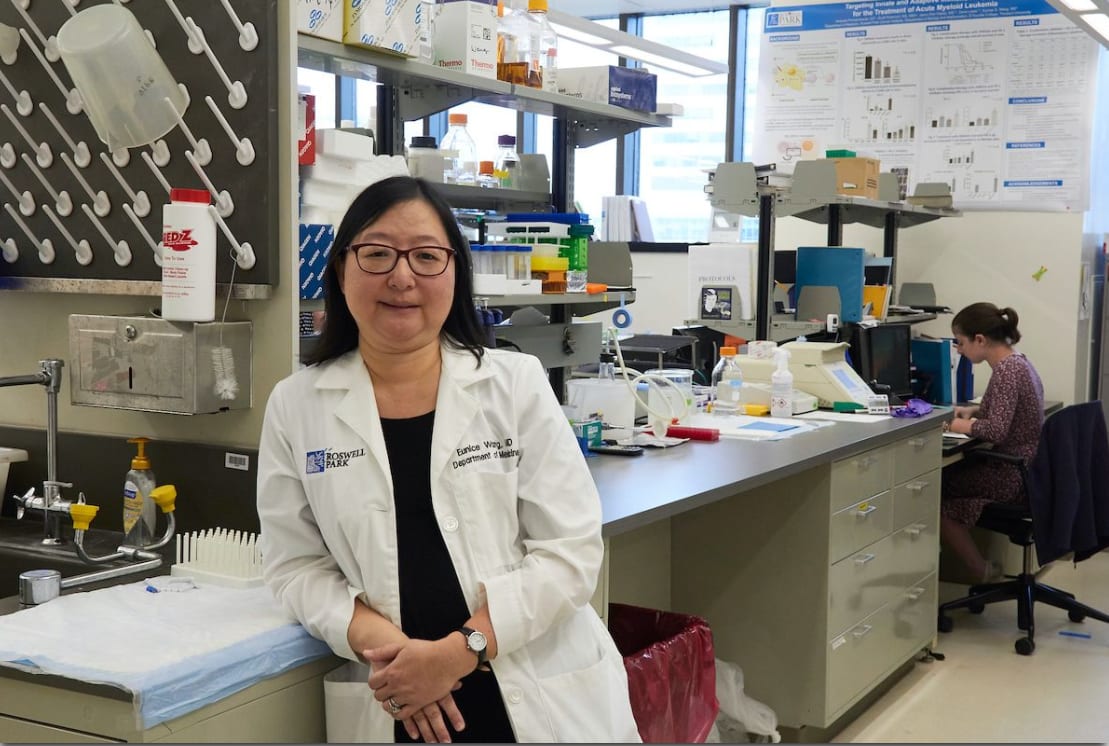
New research co-led by a Roswell Park Comprehensive Cancer Center leukemia expert highlights a promising investigational treatment approach using the targeted therapy ziftomenib for patients with a difficult-to-treat form of acute myeloid leukemia (AML).