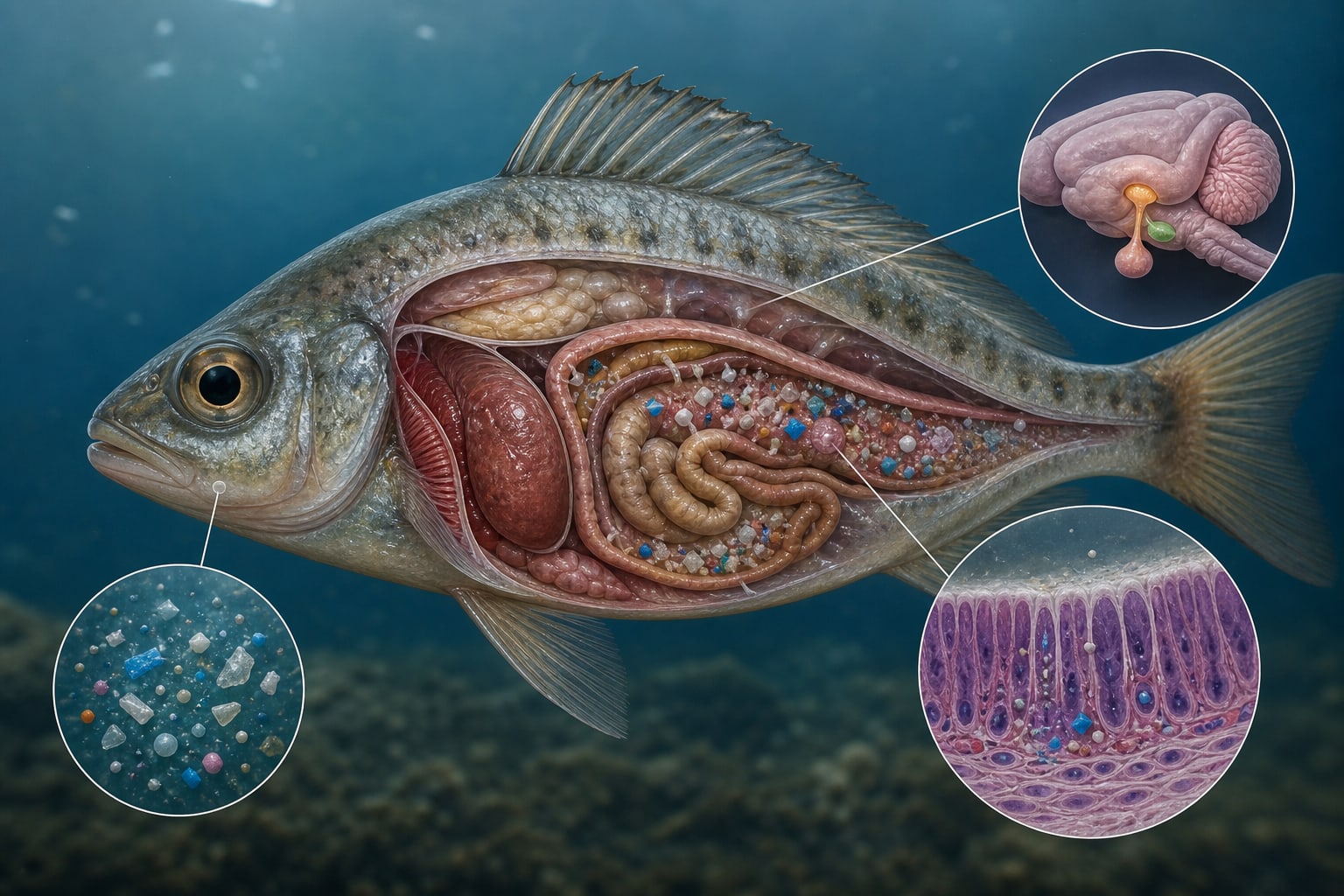
Plastics as disruptors of feeding, digestive physiology, metabolism, and growth in fish and other aquatic ectothermic vertebrates
Clinical Scorecard: The Impact of Plastics on Feeding, Digestive Processes, Metabolism, and Growth in Fish and Other Aquatic Ectothermic Vertebrates
At a Glance
Category Detail
Condition Plastic exposure in aquatic ectotherms Key Mechanisms Disruption of energy balance, endocrine signaling, oxidative stress Target Population Aquatic ectothermic vertebrates, particularly fish Care Setting Aquatic ecosystems
Key Highlights
Microplastics and nanoplastics disrupt feeding and digestive processes in fish. Plastic exposure impairs metabolic regulation and growth hormone signaling. Environmental factors like temperature and salinity influence plastic toxicity. Guideline-Based Recommendations
Diagnosis
Assess plastic contamination levels in aquatic environments. Management
Implement measures to reduce plastic pollution in aquatic ecosystems. Monitoring & Follow-up
Regularly monitor the health of aquatic ectotherms in polluted environments. Risks
Increased oxidative stress and impaired growth performance due to plastic exposure. Patient & Prescribing Data
Aquatic ectothermic vertebrates, especially fish and amphibians
Addressing environmental pollution may improve health outcomes.
Clinical Best Practices
Integrate environmental monitoring with aquatic health assessments. Consider the impact of climate change on plastic distribution and toxicity. Related Resources & Content