Clinical efficacy of Jianqiao ancient moxibustion in treating chronic fatigue syndrome: a single-center randomized controlled superiority trial protocol - Scorecard - MDSpire
Advertisement
Clinical efficacy of Jianqiao ancient moxibustion in treating chronic fatigue syndrome: a single-center randomized controlled superiority trial protocol
Clinical Scorecard: Efficacy of Ancient Jianqiao Moxibustion for Chronic Fatigue Syndrome: Protocol for a Single-Center Randomized Controlled Superiority Trial
At a Glance
Category
Detail
Condition
Chronic Fatigue Syndrome (CFS)
Key Mechanisms
Spleen–kidney yang deficiency
Target Population
Patients with CFS exhibiting spleen–kidney yang deficiency pattern
Care Setting
Single-center randomized controlled trial
Key Highlights
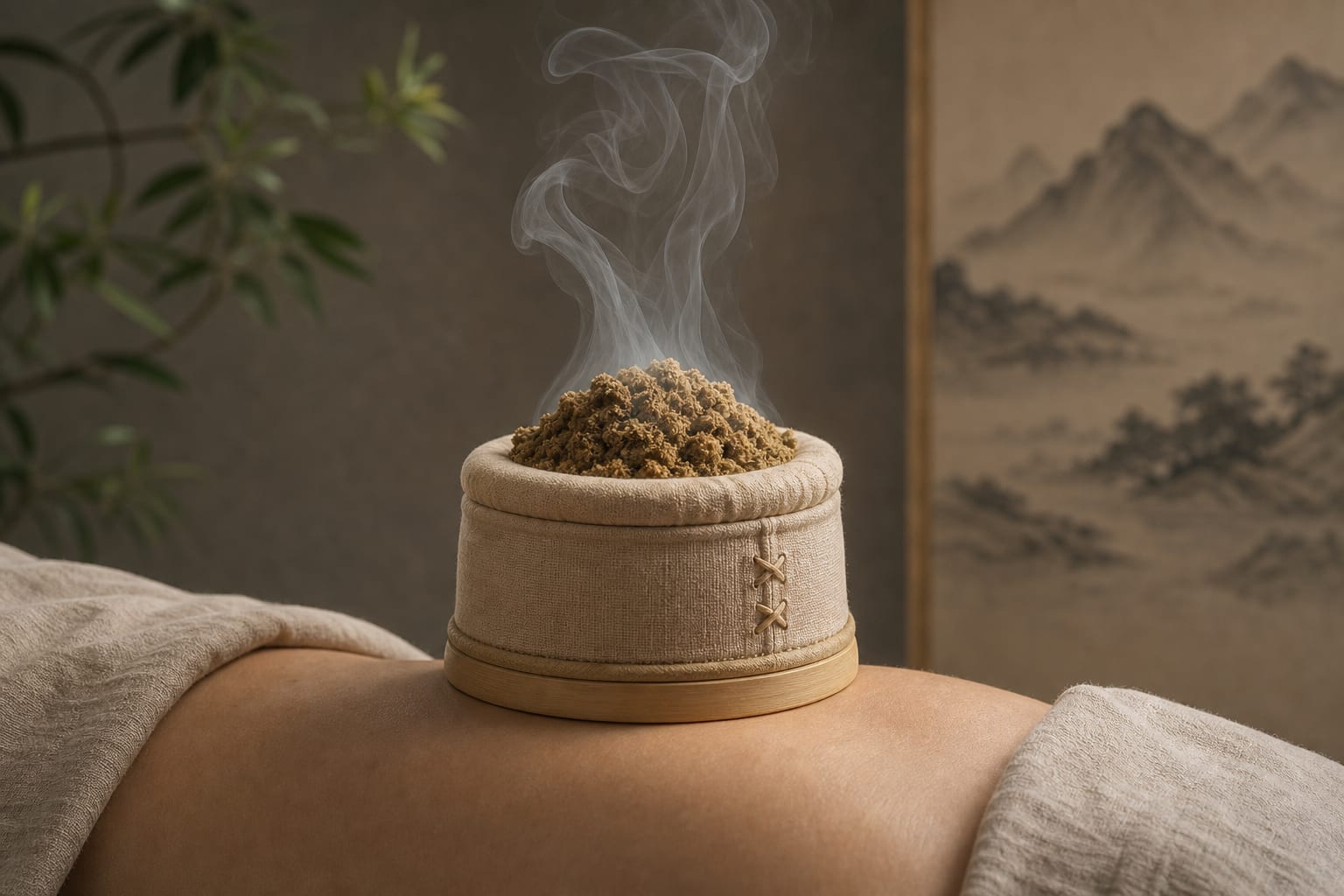
Study compares Jianqiao ancient moxibustion with moxa box moxibustion
90 patients will be enrolled and randomly assigned to treatment groups
Primary outcome measure is the Fatigue Scale-14
Secondary outcomes include various symptom scales and infrared thermal imaging
Follow-up assessment at week 16
Guideline-Based Recommendations
Diagnosis
CFS is characterized by unexplained fatigue lasting at least 6 months with additional symptoms.
Management
Energy management, integration of physical activity, symptomatic treatment, and multidisciplinary care are essential.
Monitoring & Follow-up
Follow-up assessments are necessary to evaluate treatment efficacy.
Risks
No definitive cure exists for CFS; management focuses on symptom alleviation.
Patient & Prescribing Data
Individuals diagnosed with CFS and spleen–kidney yang deficiency
Jianqiao ancient moxibustion may provide enhanced efficacy compared to conventional moxa box moxibustion.
Clinical Best Practices
Utilize moxibustion as a non-pharmacological therapy for CFS.
Consider traditional Chinese medicine approaches in managing CFS symptoms.