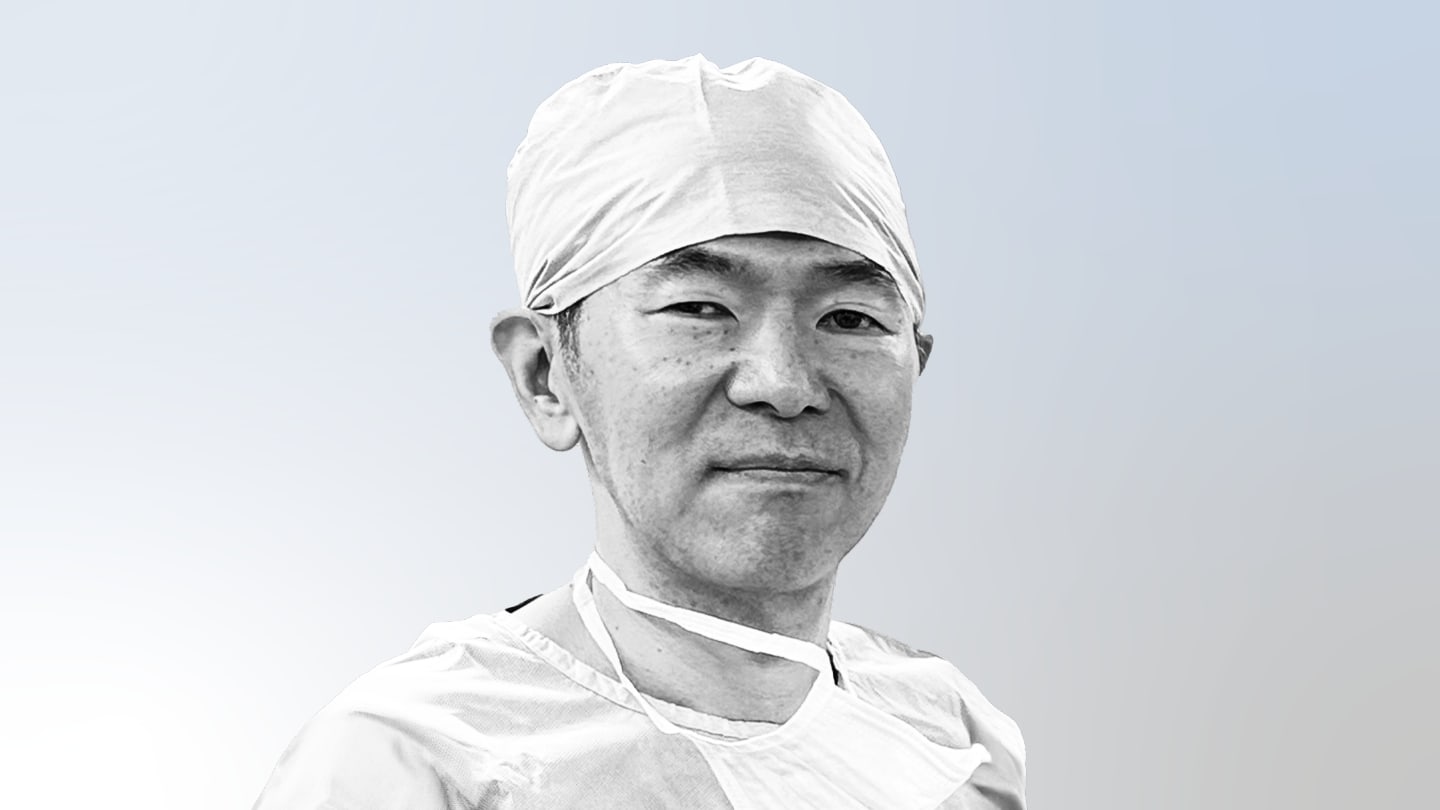
Thirty Years Together in a Career Defined by Change
Progress begins when we accept that the only certainty is uncertainty.
-
By
-
Scott LaBorwit, MD
-
May 1, 2026
-
Clinical Scorecard: Thirty Years Together in a Career Defined by Change
At a Glance
| Category | Detail |
|---|
| Condition | Cataract and glaucoma management |
| Key Mechanisms | Advancements in phacoemulsification, foldable intraocular lenses, minimally invasive glaucoma surgery (MIGS), trabeculectomy with mitomycin C |
| Target Population | Patients undergoing cataract surgery and glaucoma treatment |
| Care Setting | Ophthalmic surgical and clinical settings |
Key Highlights
- Transition from extracapsular cataract surgery to phacoemulsification with small incisions and foldable intraocular lenses.
- Integration of combined cataract surgery with glaucoma procedures such as trabeculectomy using mitomycin C.
- Continuous evolution of ophthalmic surgical technology including femtosecond lasers and MIGS devices over the past 30 years.
Guideline-Based Recommendations
Diagnosis
- Assess glaucoma status and cataract severity preoperatively.
- Monitor intraocular pressure and optic nerve health regularly.
Management
- Use phacoemulsification with small incisions to minimize surgical trauma.
- Consider combined cataract surgery with trabeculectomy in patients with coexisting glaucoma.
- Employ MIGS devices as appropriate for glaucoma management.
Monitoring & Follow-up
- Close postoperative observation for complications such as retinal tears.
- Regular follow-up to assess function and safety of implanted glaucoma devices.
Risks
- Potential for surgical complications such as peripheral retinal tears during cataract surgery.
- Device recalls requiring patient counseling and close observation.
Patient & Prescribing Data
Patients with glaucoma on medical therapy undergoing surgery
Patients may be on multiple glaucoma medications including pilocarpine, timolol, and oral acetazolamide prior to surgical intervention.
Clinical Best Practices
- Adopt new surgical technologies that improve patient outcomes while maintaining safety.
- Combine glaucoma and cataract procedures when clinically indicated to optimize care.
- Maintain resilience and adaptability in clinical practice to incorporate evolving innovations.
- Provide thorough patient education regarding device recalls and postoperative expectations.
Related Resources & Content