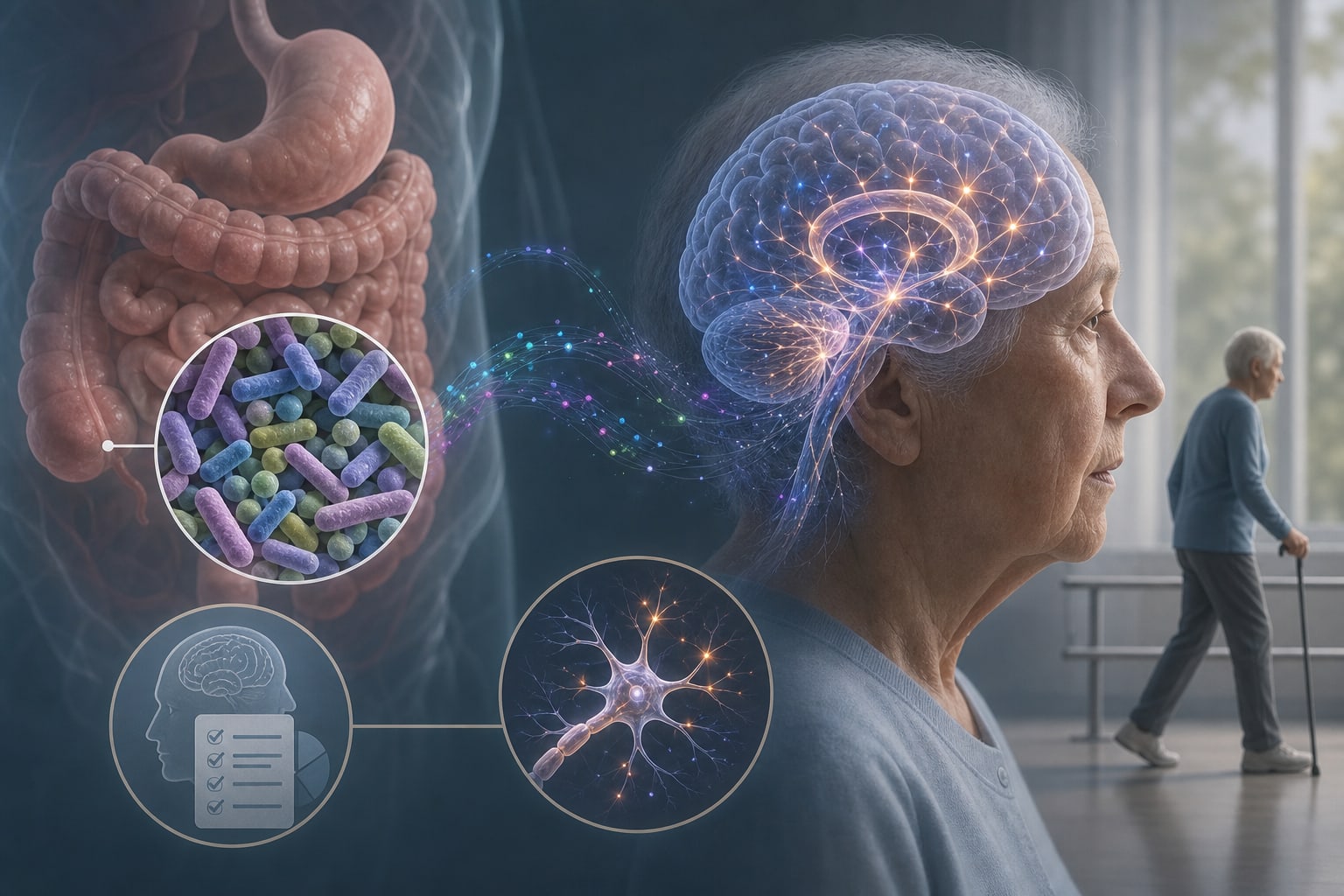
The effect of probiotic supplements on cognitive outcomes and neuroplasticity in elderly ischemic stroke survivors
-
By
-
Xiaohong Zheng
-
Wei Chen
-
Kai Hong
-
Jiaqing Chen
-
Yuebin Lin
-
Jiehua Yang
-
June 22, 2026
-
Clinical Scorecard: Impact of Probiotic Supplementation on Cognitive Function and Neuroplasticity in Older Adults Recovering from Ischemic Stroke
At a Glance
| Category | Detail |
|---|
| Condition | Ischemic Stroke Recovery |
| Key Mechanisms | Probiotics enhance gut-brain axis communication, influencing neuroplasticity and cognitive function. |
| Target Population | Elderly ischemic stroke survivors aged over 60 years. |
| Care Setting | Rehabilitation settings for stroke recovery. |
Key Highlights
- Probiotic supplementation significantly improved cognitive function and motor recovery.
- Increased levels of BDNF and improved nutritional parameters were observed.
- Reduced incidence of gastrointestinal adverse events in the Supplement Group.
Guideline-Based Recommendations
Diagnosis
- Assess cognitive function using MMSE, HDS, CDR, and other relevant scales.
Management
- Incorporate probiotics into nutritional therapy for elderly ischemic stroke survivors.
Monitoring & Follow-up
- Monitor cognitive and motor function recovery through standardized assessments.
Risks
- Consider exclusion criteria for patients with serious internal medicine diseases or gastrointestinal disorders.
Patient & Prescribing Data
Elderly individuals recovering from ischemic stroke.
Probiotics may enhance recovery outcomes and reduce gastrointestinal issues.
Clinical Best Practices
- Utilize a multidisciplinary approach in rehabilitation, including dietary modifications.
- Regularly assess and adjust treatment protocols based on cognitive and motor function evaluations.
Related Resources & Content