Gut microbiota and metabolomic characteristics associated with metabolic syndrome in post-cholecystectomy patients: a retrospective cross-sectional study - Scorecard - MDSpire
Advertisement
Gut microbiota and metabolomic characteristics associated with metabolic syndrome in post-cholecystectomy patients: a retrospective cross-sectional study
Clinical Scorecard: Association of Gut Microbiota and Metabolomic Profiles with Metabolic Syndrome in Patients Following Cholecystectomy: A Retrospective Cross-Sectional Analysis
At a Glance
Category
Detail
Condition
Metabolic Syndrome
Key Mechanisms
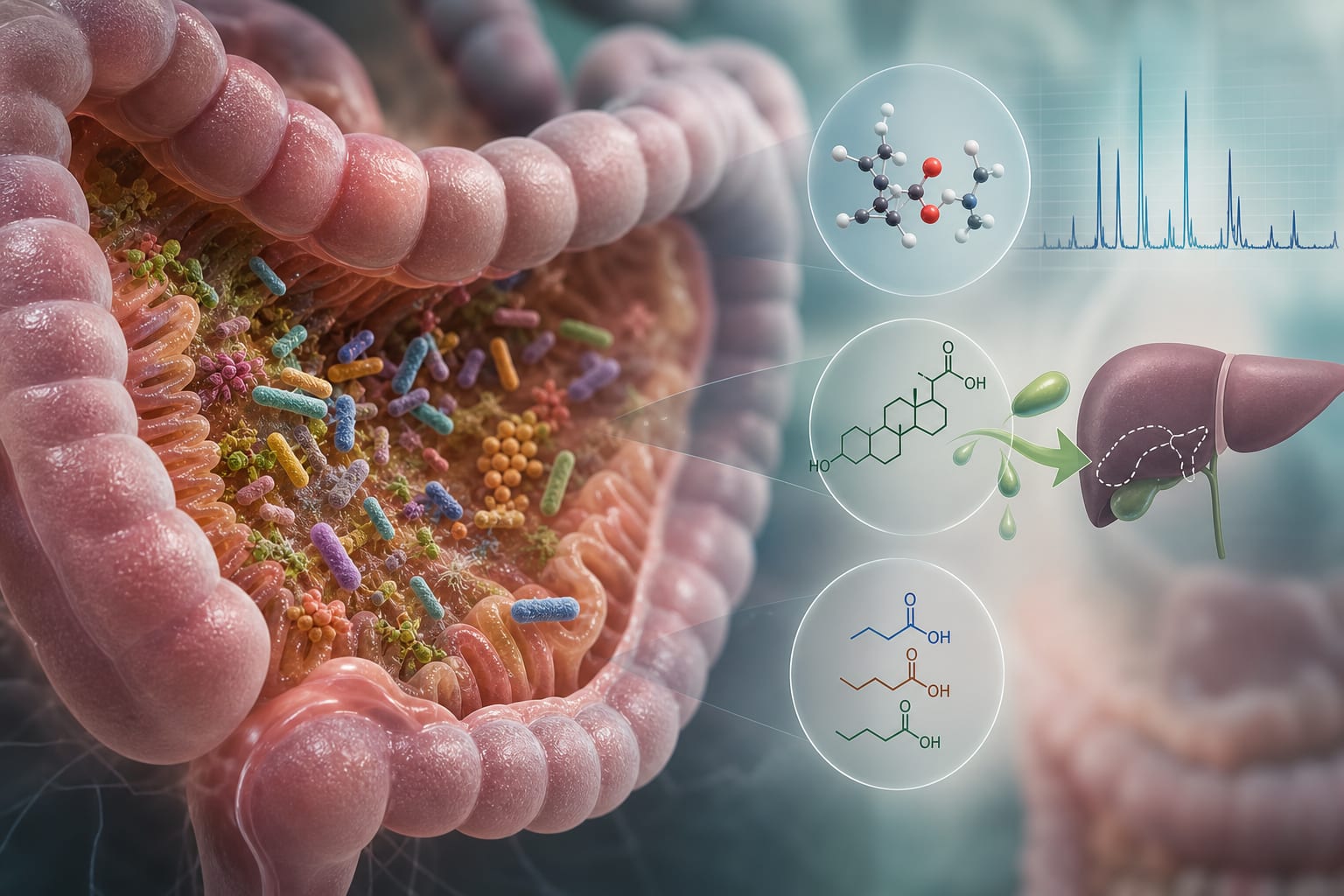
Altered gut microbiota and bile acid metabolism post-cholecystectomy.
Target Population
Patients with a history of cholecystectomy and metabolic syndrome.
Care Setting
Retrospective cross-sectional analysis.
Key Highlights
Post-CCE patients with metabolic syndrome exhibited reduced microbial richness.
Distinct gut microbiota profiles were observed, including increased Prevotella and decreased SCFA producers.
Elevated secondary bile acids and diminished butyrate levels were noted in MS patients.
Correlation with inflammatory markers and adverse metabolic indices was established.
Functional pathways related to bile acid metabolism and inflammation were enriched in the MS group.
Guideline-Based Recommendations
Diagnosis
Assess gut microbiota and metabolomic profiles in post-CCE patients with metabolic syndrome.
Management
Investigate dietary modulation and probiotic supplementation as potential interventions.
Monitoring & Follow-up
Monitor inflammatory markers and metabolic indices in post-CCE patients.
Risks
Increased risk of post-cholecystectomy diarrhea, dyslipidemia, NAFLD, and colorectal cancer.
Patient & Prescribing Data
Post-cholecystectomy patients with metabolic syndrome.
Dietary factors and microbiota-targeted strategies may influence outcomes.
Clinical Best Practices
Consider microbiota and metabolomic alterations in post-CCE patient management.
Evaluate the role of diet in shaping gut microbiota and metabolic health.