Assessing Antioxidant Therapies for Eosinophilic Chronic Sinusitis
-
By
-
Takeshi Kusunoki
-
Davis Joseph
-
Katsuhisa Ikeda
-
Fukka You
-
Haruhiko Inufusa
-
June 18, 2026
Clinical Scorecard: Assessing Antioxidant Therapies for Eosinophilic Chronic Sinusitis
At a Glance
| Category | Detail |
|---|
| Condition | Eosinophilic Chronic Rhinosinusitis (ECRS) |
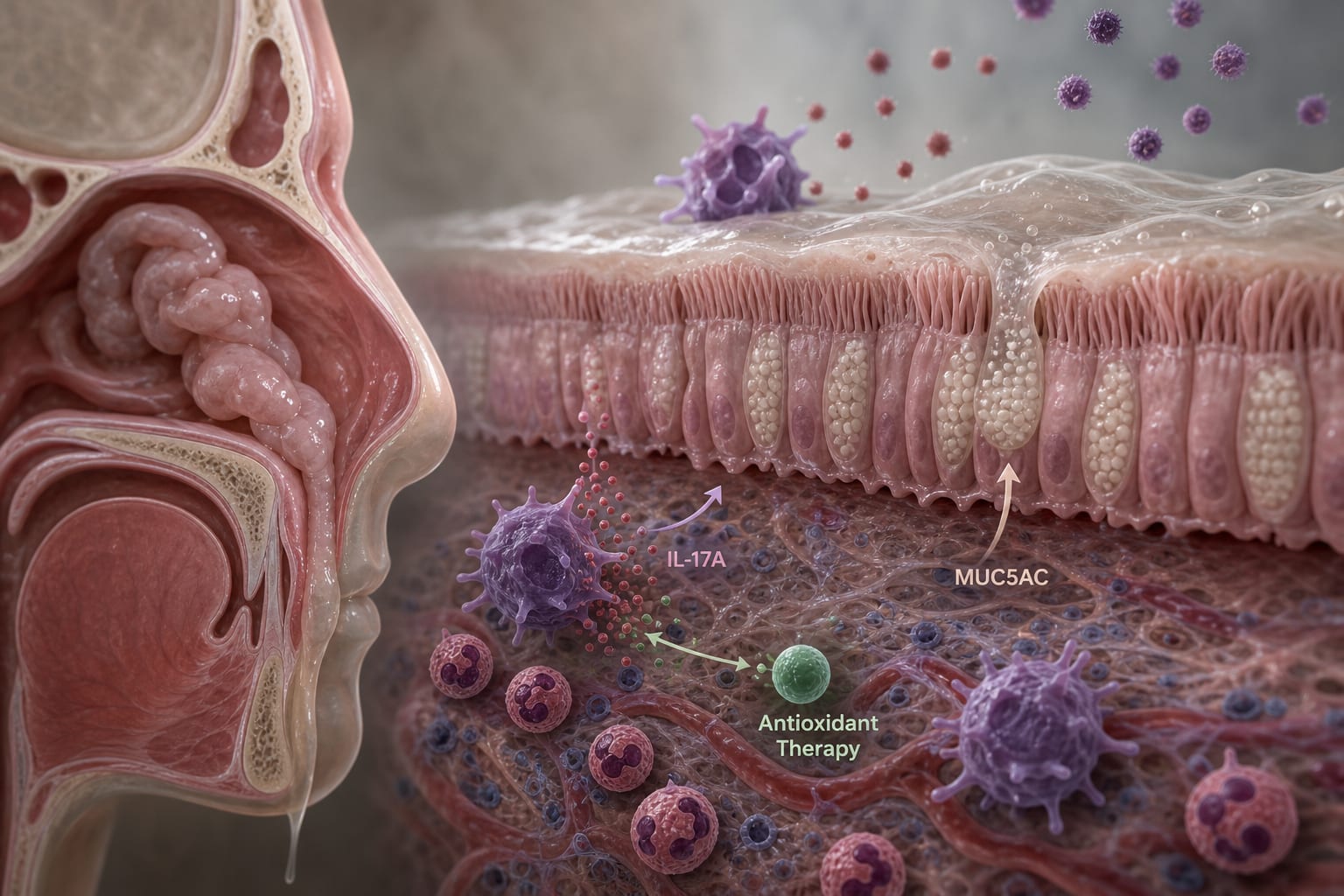
| Key Mechanisms | Increased IL-17A, macrophage infiltration, excessive mucin production (MUC5AC), oxidative stress, inflammation inhibition mechanisms. |
| Target Population | Patients with chronic rhinosinusitis characterized by eosinophilia, often associated with asthma. |
| Care Setting | Clinical settings, particularly in Japan. |
Key Highlights
- ECRS is characterized by eosinophilia in nasal mucosa and peripheral blood.
- Defects in Cu,Zn-SOD contribute to inflammation and mucus secretion.
- Antioxidants may provide new therapeutic strategies for ECRS.
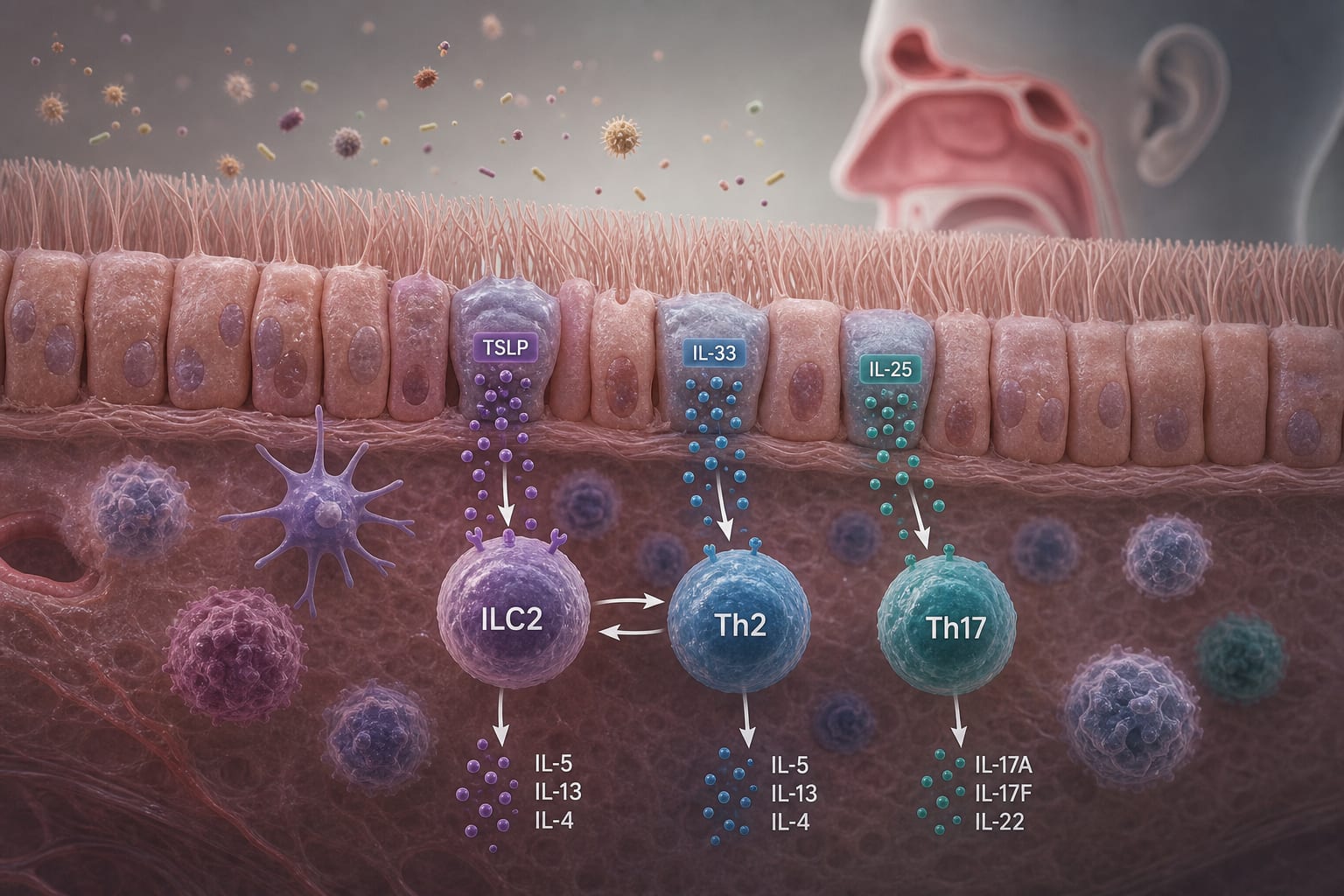
- ECRS is classified as a type 2 inflammatory disease.
- The JESREC scoring system aids in diagnosing ECRS.
Guideline-Based Recommendations
Diagnosis
- Use JESREC score; a score of 11 or higher indicates high possibility of ECRS.
- Definitive diagnosis requires microscopic examination of nasal polyp/paranasal sinus tissues.
Management
- Individualized treatment strategies are required due to varying underlying causes.
Monitoring & Follow-up
- Monitor eosinophil levels and associated symptoms, especially in patients with asthma.
Risks
- ECRS is recognized as an intractable disease with challenging management.
Patient & Prescribing Data
Patients with ECRS, often with concurrent asthma.
Antioxidants like SOD and HO-1 may mitigate exacerbating factors in ECRS.
Clinical Best Practices
- Consider the nasal cavity and bronchi as a single airway for treatment.
- Assess for asthma in patients diagnosed with ECRS.
Related Resources & Content