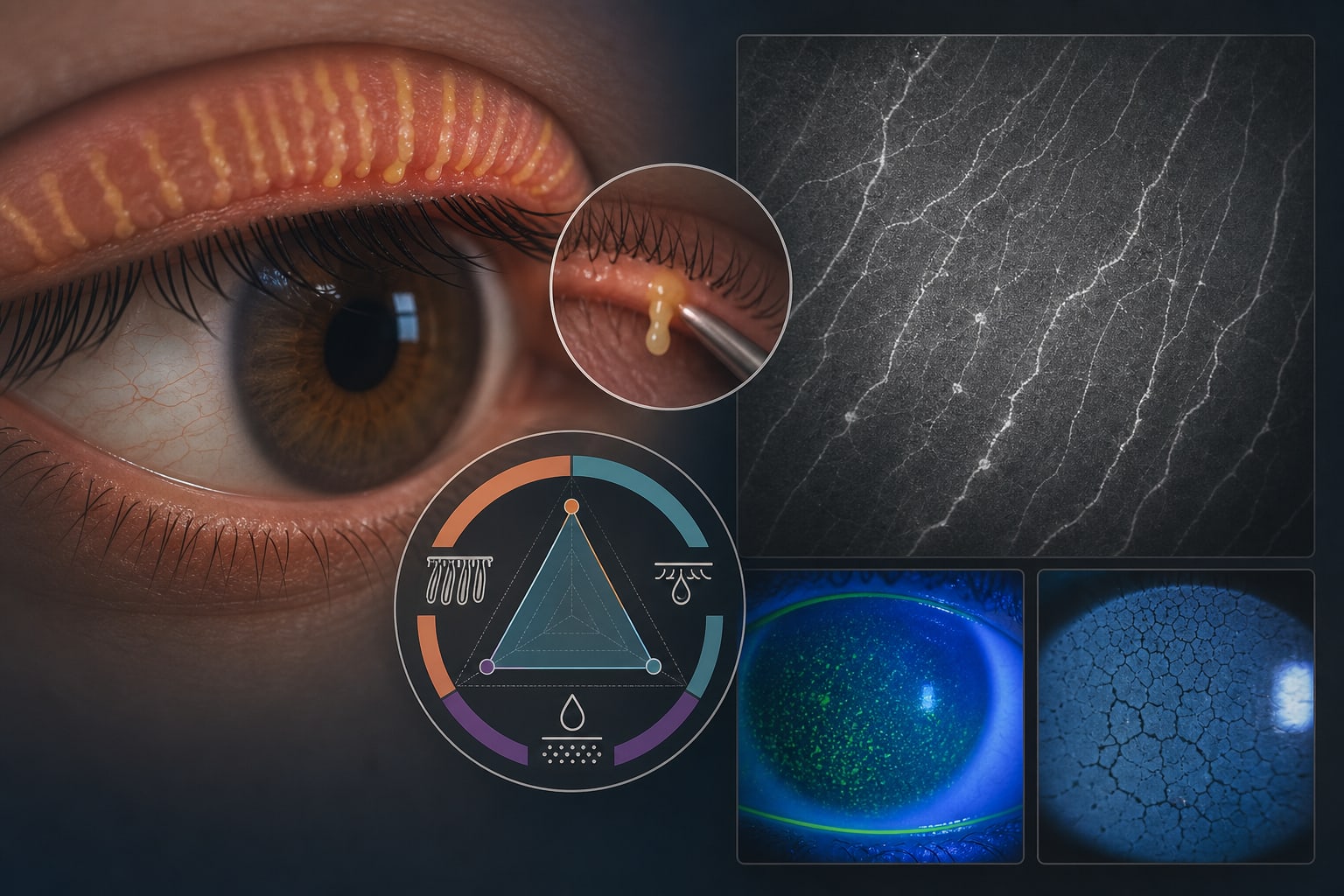
Japan Debuts Novel Dry Eye Therapy
Senju Pharmaceutical launches the first TRPV1 antagonist for dry eye in Japan
Clinical Scorecard: Japan Debuts Novel Dry Eye Therapy
At a Glance
| Category | Detail |
|---|
| Condition | Dry Eye Disease (DED) |
| Key Mechanisms | TRPV1 antagonist activity |
| Target Population | Individuals with dry eye disease, particularly in Japan |
| Care Setting | Ophthalmology clinics and practices |
Key Highlights
- Avarept (motugivatrep) is the first marketed dry eye therapy in the TRPV1 antagonist class.
- Over 20 million people in Japan are estimated to be affected by dry eye disease.
- The approval was supported by the Japanese 3-02 clinical trial demonstrating significant symptom improvement.
- Current management relies heavily on lubricants and anti-inflammatory approaches.
- Avarept introduces a new mechanistic option for symptom control in DED.
Guideline-Based Recommendations
Diagnosis
- Assess symptoms using the DEQS score.
- Evaluate ocular surface condition.
Management
- Consider Avarept for patients with moderate to severe dry eye symptoms.
- Continue using lubricants and anti-inflammatory therapies as needed.
Monitoring & Follow-up
- Regularly assess symptom improvement and ocular surface health.
- Monitor for any adverse effects associated with new therapies.
Risks
- Potential adverse effects related to TRPV1 antagonism, though reduced in recent developments.
Patient & Prescribing Data
Patients suffering from dry eye disease in Japan.
Avarept provides a new option for symptom relief, addressing limitations of existing therapies.
Clinical Best Practices
- Integrate Avarept into treatment plans for patients with inadequate relief from current therapies.
- Educate patients on the mechanism of action and expected outcomes of Avarept.
Related Resources & Content