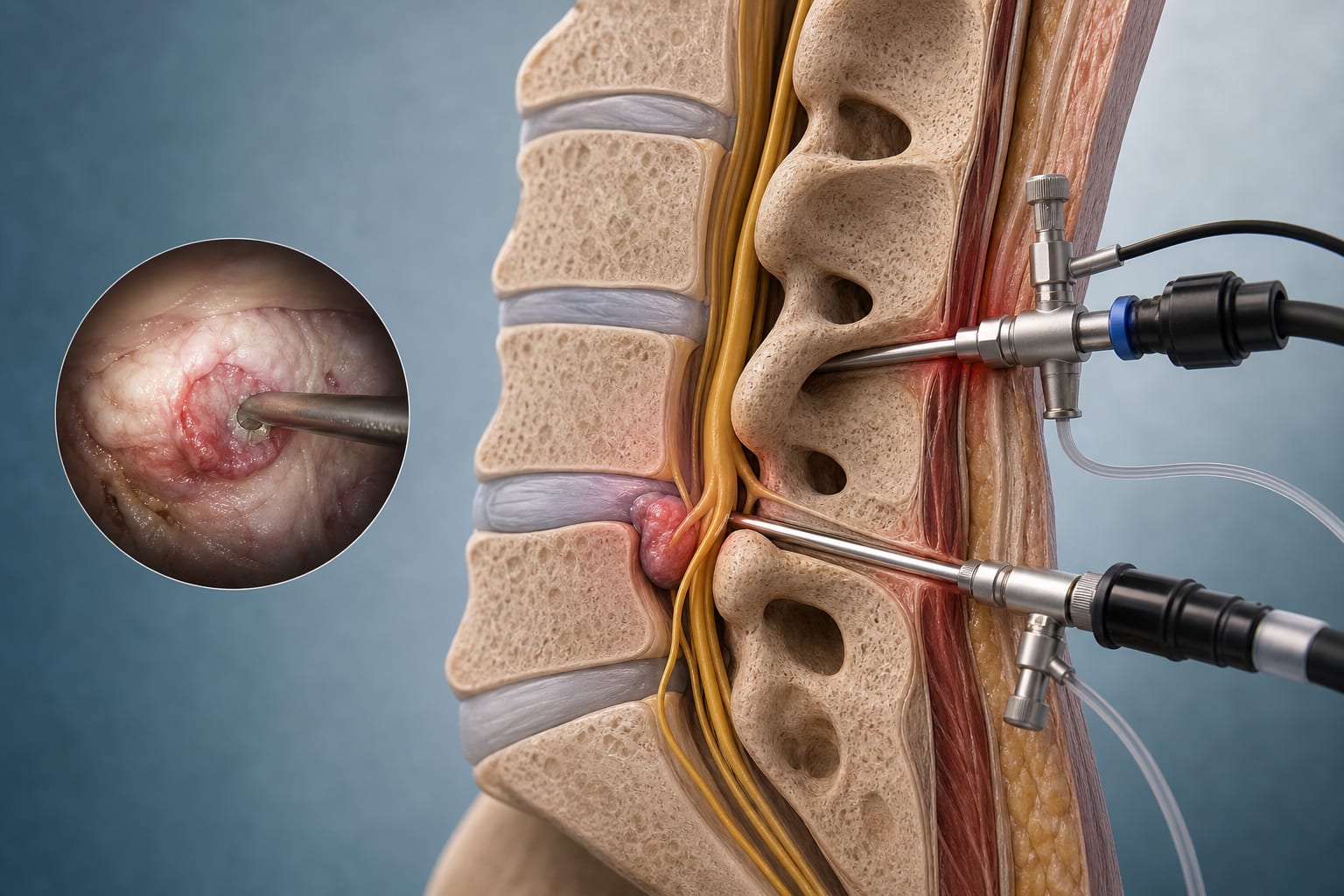
Clinical Scorecard: Staphylococcus aureus Infections at Surgical Sites After Unilateral Biportal Endoscopic Spine Surgery: A Report on Two Cases
At a Glance
Category
Detail
Condition
Surgical site infection (SSI) caused by Staphylococcus aureus following unilateral biportal endoscopic (UBE) spine surgery
Key Mechanisms
Bacterial ingress facilitated by inadequate preoperative skin preparation, intraoperative fluid leakage, prolonged surgery, and breaches in postoperative wound care
Target Population
Patients undergoing unilateral biportal endoscopic spine surgery, including those with immunocompromised status or comorbidities
Care Setting
Tertiary hospital surgical and postoperative care units
Key Highlights
Two cases of deep SSIs caused by S. aureus after UBE surgery were linked to inadequate skin preparation, intraoperative fluid leakage, prolonged operative time, and poor postoperative wound care.
Antibiotic susceptibility profiles suggested infections originated from patients' own colonising flora.
Implementation of nurse-led preoperative skin cleansing, increased surgical draping layers, and physician-exclusive postoperative dressing changes eliminated new SSI cases for over one year.
Guideline-Based Recommendations
Diagnosis
Confirm SSI by clinical signs (redness, pain, purulent discharge) and culture of wound and blood samples for S. aureus identification.
Management
Perform endoscopic irrigation and debridement for deep SSIs.
Administer targeted antibiotic therapy based on susceptibility, e.g., vancomycin followed by linezolid if indicated.
Monitoring & Follow-up
Monitor wound healing post-debridement for absence of exudate, pus, and signs of reinfection.
Ensure adherence to postoperative wound care protocols.
Risks
Inadequate preoperative skin preparation increases risk of bacterial contamination.
Intraoperative fluid leakage leading to soaked drapes facilitates bacterial ingress.
Prolonged operative time (>3 hours) is associated with higher SSI risk.
Patient non-adherence to sterile postoperative wound care increases infection risk.
Patient & Prescribing Data
Patients undergoing UBE spine surgery, including those with immunocompromised states or comorbidities
Targeted antibiotic therapy (vancomycin, linezolid) following culture confirmation is effective; early surgical debridement is critical for infection control.
Clinical Best Practices
Implement direct nurse-led preoperative skin cleansing protocols rather than verbal instructions alone.
Use multiple layers of surgical draping to prevent fluid saturation during surgery.
Restrict postoperative wound dressing changes to trained physicians to ensure sterile technique.
Educate patients on the importance of professional postoperative wound care and adherence to follow-up.