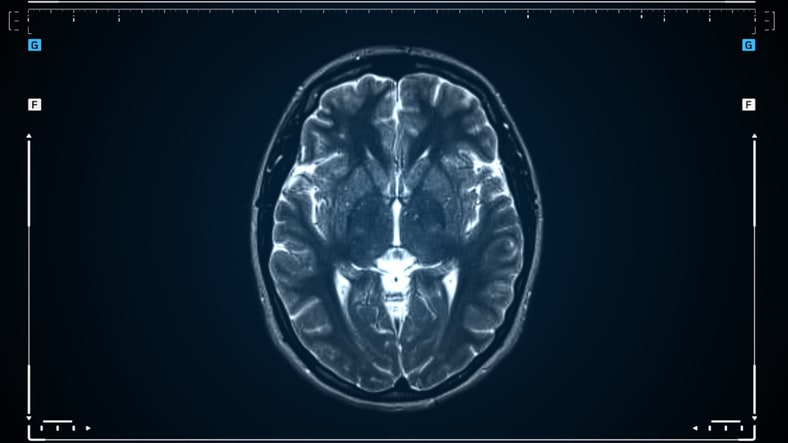
Clinical Scorecard: Frequency of Surgical Interventions for Chronic Subdural Hematoma Following Head Trauma with Initial Normal CT Findings
At a Glance
Category
Detail
Condition
Chronic subdural hematoma (cSDH)
Key Mechanisms
Inflammatory process following trauma to dural border cells causing fragile neovessel formation and bleeding leading to subdural fluid accumulation and hematoma growth
Target Population
Adults (≥18 years), especially elderly and those using antithrombotic medications
Care Setting
Emergency department and neurosurgical care in hospital settings
Key Highlights
cSDH incidence highest in elderly (46–58/100,000/year in >65 years)
Main risk factors include trauma, increased age, antithrombotic medication use, and alcohol misuse
Surgical evacuation via burr hole and drainage is primary treatment for symptomatic cSDH
Guideline-Based Recommendations
Diagnosis
Perform head CT within 48 hours after head injury to identify acute traumatic intracranial pathology
Classify patients as CT positive if any acute traumatic lesion or subdural collection is present; CT negative if none
Use Glasgow Coma Scale and clinical findings to assess TBI severity
Management
Surgical evacuation via burr hole with drainage for symptomatic cSDH
Monitor patients with head trauma and normal initial CT for development of cSDH within six months
Monitoring & Follow-up
Follow-up for six months post-head injury to detect surgically treated cSDH
Collect detailed clinical and imaging data to identify risk factors for cSDH development
Risks
Increased age and antithrombotic medication use raise risk for cSDH
Alcohol misuse is an additional risk factor
Initial normal CT does not exclude later development of cSDH
Patient & Prescribing Data
Adult patients with head injury undergoing initial CT scanning
Antithrombotic medication use is a significant risk factor for cSDH; careful evaluation and monitoring recommended
Clinical Best Practices
Use structured data collection including demographics, medication, injury details, and imaging findings
Apply referral criteria for acute head CT based on established Scandinavian guidelines
Involve neuroradiologists for CT scan interpretation
Consider inflammatory mechanisms in cSDH pathophysiology beyond direct trauma
Recognize that some cSDH cases may form spontaneously without preceding trauma