Conexiant’s news site is now MDSpire News. Learn more
Advertisement
Revisiting the Role of B Cells and Humoral Immunity in the Pathophysiology of Inflammatory Bowel Disease: Mechanistic Insights and Immunoregulatory Functions
Clinical Scorecard: Revisiting the Role of B Cells and Humoral Immunity in the Pathophysiology of Inflammatory Bowel Disease: Mechanistic Insights and Immunoregulatory Functions
At a Glance
Category
Detail
Condition
Inflammatory Bowel Disease (IBD)
Key Mechanisms
Dysregulation of immune control involving B cells and humoral immunity.
Target Population
Patients with chronic inflammatory bowel disease, including Crohn’s disease and ulcerative colitis.
Care Setting
Clinical settings focusing on immune-mediated disorders.
Key Highlights
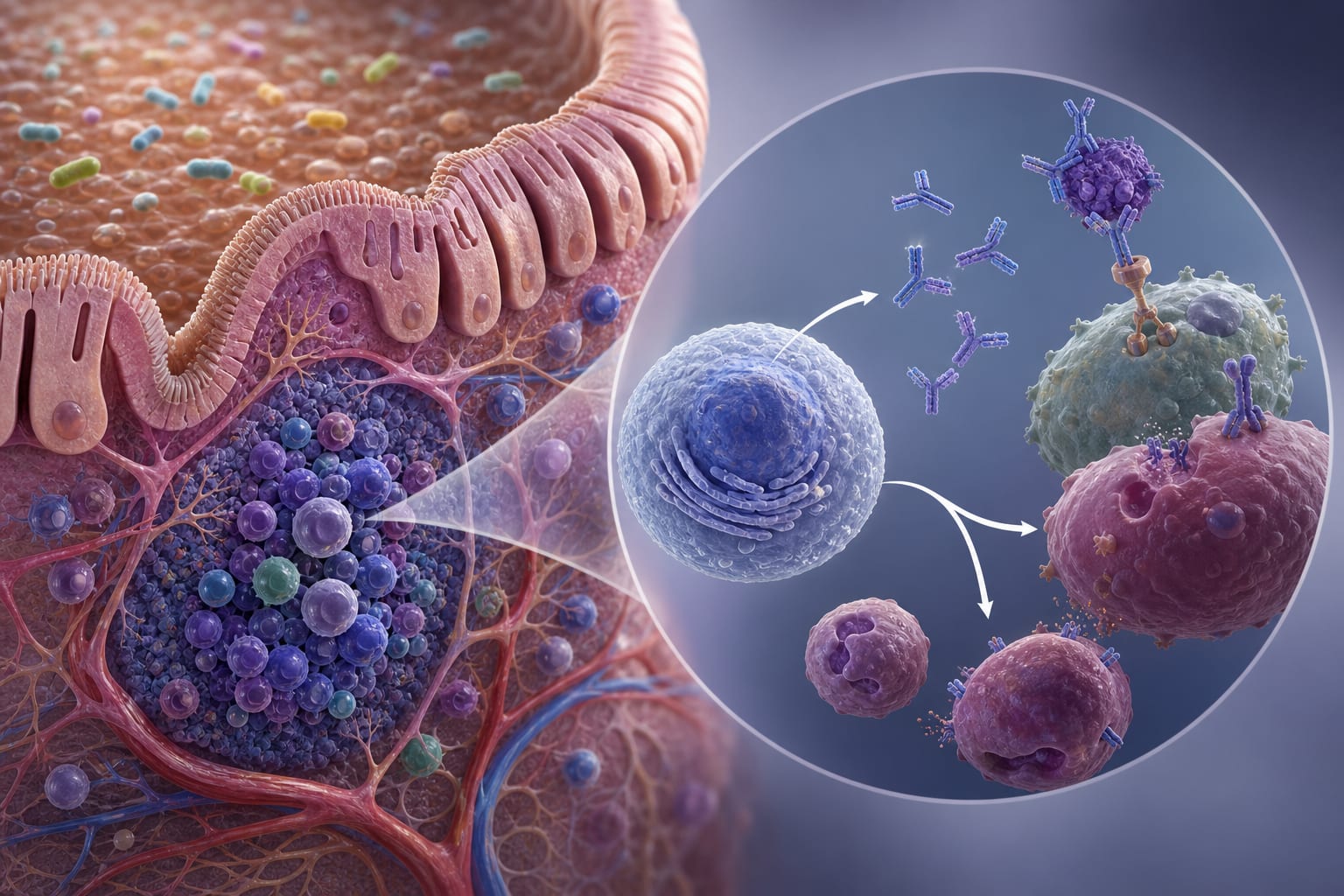
B cells play a crucial role in mucosal immune regulation and antibody production.
Alterations in B cell differentiation and local lymphoid structures are significant in IBD pathogenesis.
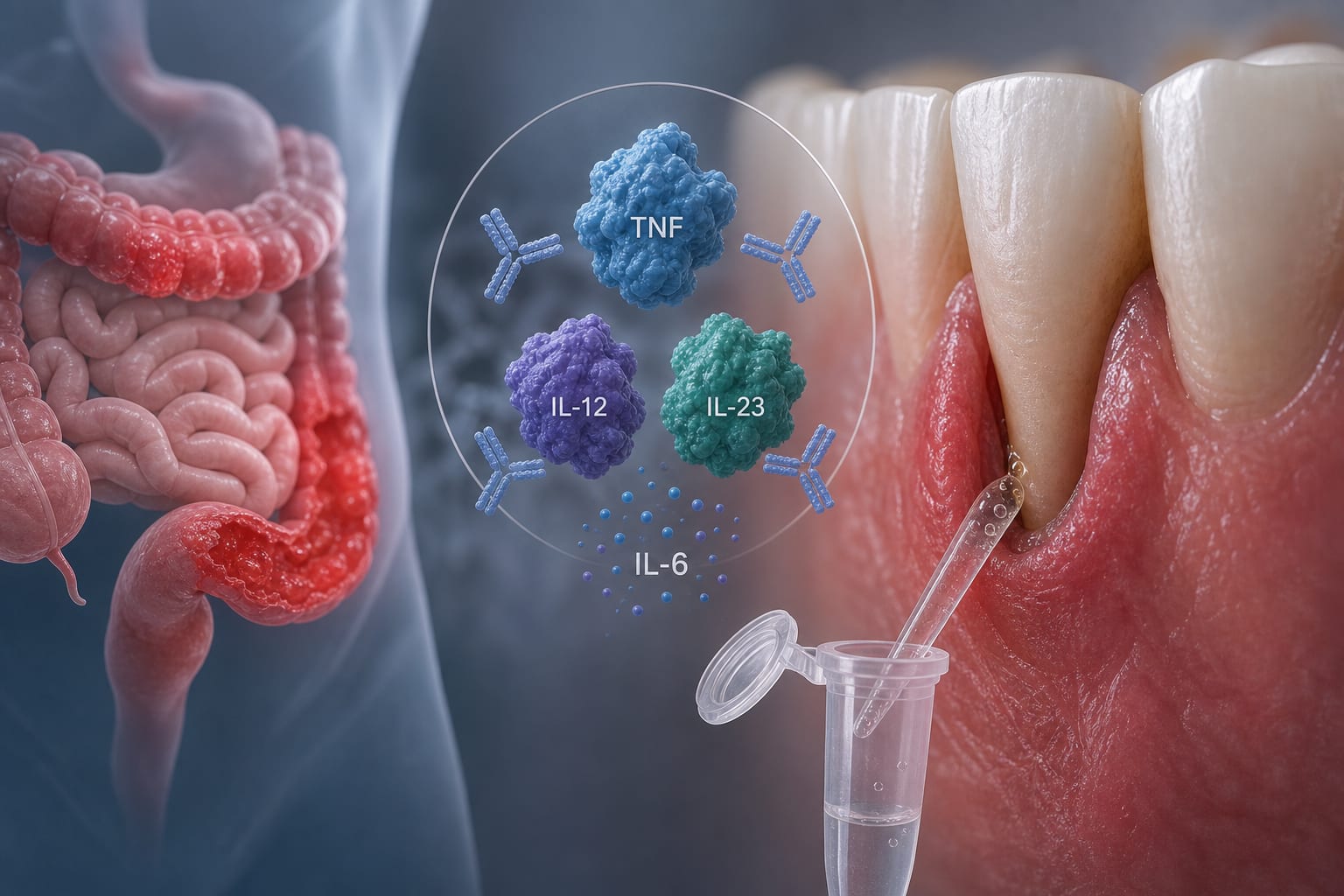
Therapeutic strategies targeting B cell–humoral immunity are emerging.
B cells are involved in antigen presentation and maintenance of immune tolerance.
The interplay of B cells and the intestinal microenvironment is critical for disease progression.
Guideline-Based Recommendations
Diagnosis
Consider the role of B cells in the pathogenesis of IBD.
Management
Explore B cell–directed therapies and modulation of antibody pathways.
Monitoring & Follow-up
Assess changes in B cell populations and antibody responses in IBD patients.
Risks
Evaluate the potential for persistent low-grade inflammation and tissue damage despite treatment.
Patient & Prescribing Data
Individuals diagnosed with IBD experiencing varying responses to current therapies.
Current therapies may not fully address the complexities of B cell involvement in IBD.
Clinical Best Practices
Integrate B cell and humoral immunity considerations into IBD management strategies.
Utilize advanced immunological profiling to understand patient-specific disease mechanisms.