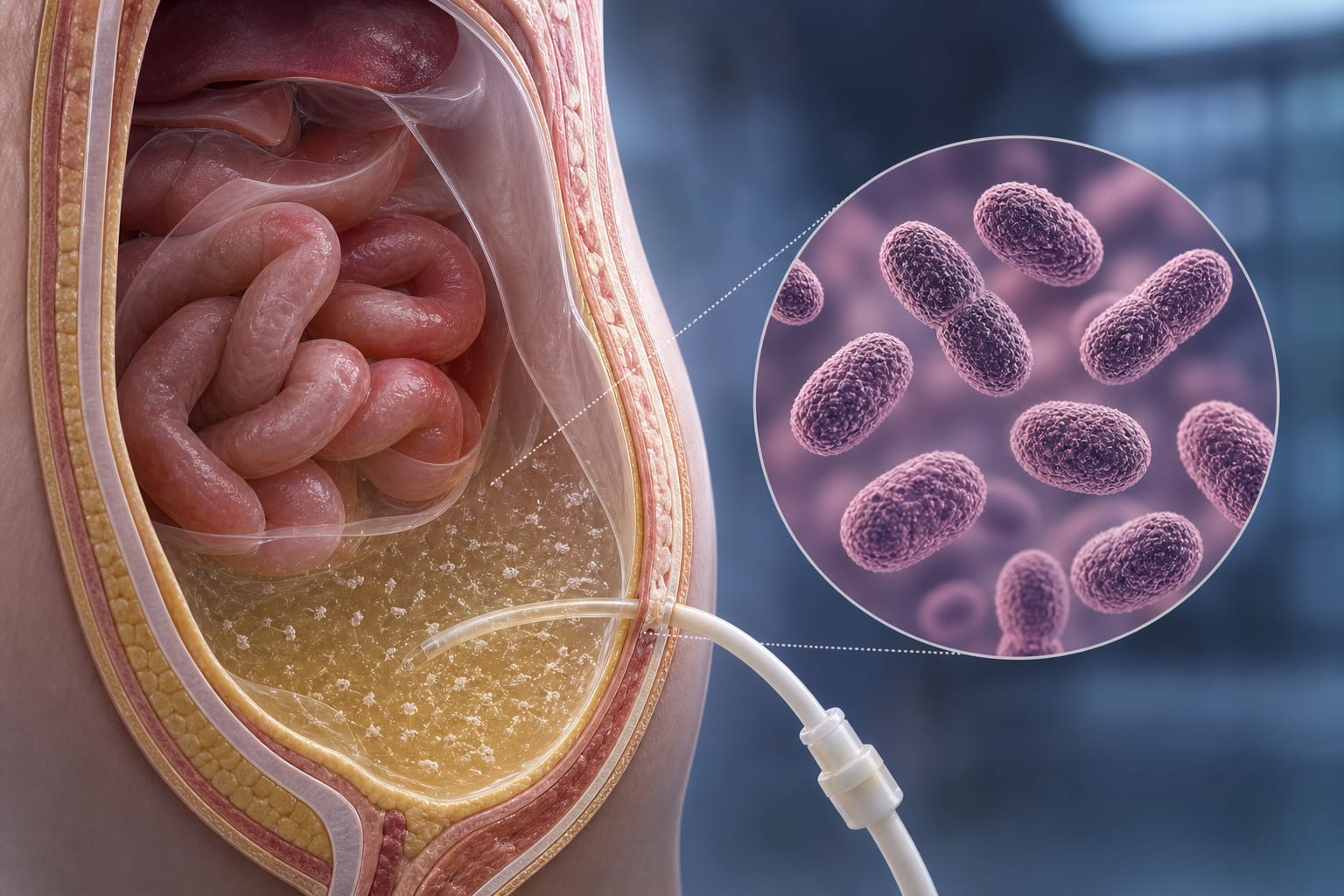
Clinical Scorecard: Use of Omadacycline in Treating Peritoneal Dialysis-Related Peritonitis Due to Coxiella burnetii: A Case Study and Review of Existing Literature
At a Glance
Category
Detail
Condition
Peritoneal dialysis-associated peritonitis (PDAP)
Key Mechanisms
Infection caused by Coxiella burnetii, an intracellular microorganism responsible for Q fever.
Target Population
Patients undergoing peritoneal dialysis with recurrent peritonitis.
Care Setting
Nephrology department in a hospital setting.
Key Highlights
Coxiella burnetii is increasingly identified as a pathogen in PDAP.
Omadacycline was used successfully in a case of PDAP unresponsive to empirical antibiotics.
The patient achieved clinical recovery and remained relapse-free for 3 months post-treatment.
Guideline-Based Recommendations
Diagnosis
Utilize metagenomic next-generation sequencing for accurate pathogen identification in PDAP.
Management
Consider omadacycline as an alternative therapeutic option for Coxiella burnetii infection.
Monitoring & Follow-up
Monitor inflammatory markers and clinical symptoms during treatment.
Risks
Be aware of potential adverse effects associated with standard therapies like doxycycline.
Patient & Prescribing Data
62-year-old male with recurrent PDAP and multiple comorbidities.
Intravenous omadacycline (100 mg daily after 200 mg loading dose) was effective in this case.
Clinical Best Practices
Identify pathogens in PDAP to guide appropriate therapy.
Consider patient history and comorbidities when managing PDAP.