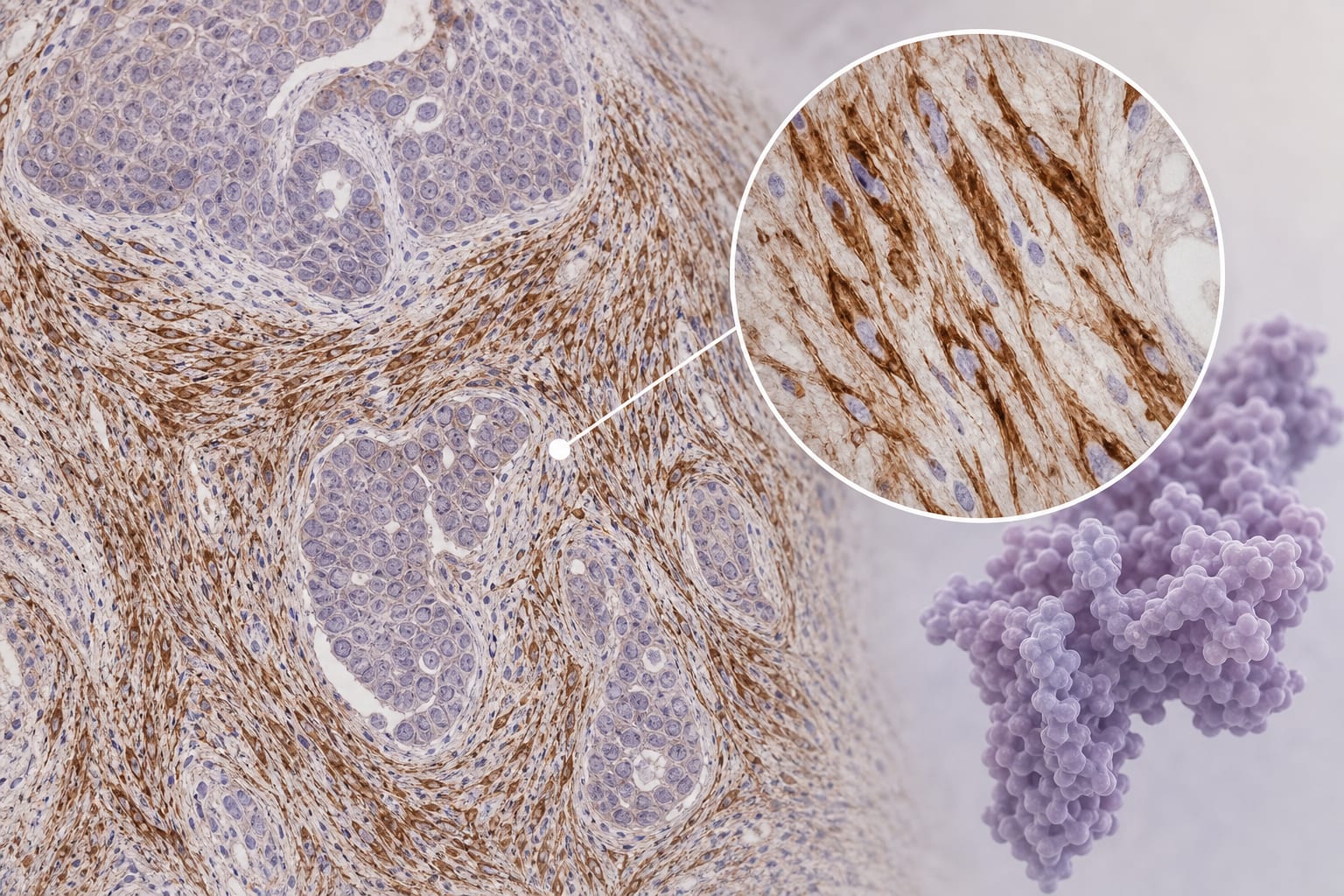
The Future of Subspecialization in Pathology
Does digital pathology and artificial intelligence strengthen the subspecialty model?
-
By
-
Dariusz Borys
-
April 17, 2026
-
Clinical Scorecard: The Future of Subspecialization in Pathology
At a Glance
| Category | Detail |
|---|
| Condition | Diagnostic pathology transformation |
| Key Mechanisms | Advances in tumor biology, molecular genetics, targeted therapies, digital pathology, and AI |
| Target Population | Pathologists and patients requiring complex diagnostic interpretation |
| Care Setting | Hospital and community laboratories, subspecialty centers |
Key Highlights
- Subspecialization in pathology is becoming essential due to increasing diagnostic complexity.
- Digital pathology and AI enhance diagnostic accuracy, efficiency, and collaboration.
- High-volume subspecialty centers better support advanced molecular testing and biomarker analysis.
Guideline-Based Recommendations
Diagnosis
- Integrate morphology, immunohistochemistry, genomic alterations, and biomarker profiles for comprehensive diagnosis.
- Utilize subspecialty expertise for challenging cases such as prostate biopsies and rare tumors.
- Employ digital pathology platforms for rapid sharing and second opinions.
Management
- Develop subspecialty practices to maintain current knowledge and refine diagnostic judgment.
- Leverage high-volume centers for advanced molecular diagnostics and complex biomarker interpretation.
Monitoring & Follow-up
- Use AI-assisted tools to standardize and reproduce biomarker assessments, reducing interobserver variability.
- Monitor diagnostic workflows for efficiency and accuracy improvements via digital pathology.
Risks
- Potential for interobserver variability in generalist pathologist interpretations.
- Economic challenges for smaller practices to sustain costly molecular testing platforms.
- Risk of cognitive overload and visual fatigue during high-volume manual slide review.
Patient & Prescribing Data
Patients undergoing diagnostic pathology for cancer and other complex diseases
Accurate subspecialty pathology interpretations directly influence treatment decisions, such as Gleason grading in prostate cancer guiding therapy.
Clinical Best Practices
- Encourage collaboration between generalist and subspecialist pathologists supported by digital platforms.
- Adopt AI and digital pathology tools as augmentative aids to improve diagnostic consistency and efficiency.
- Concentrate complex molecular and biomarker testing in high-volume subspecialty centers to optimize resource use and expertise.
Related Resources & Content