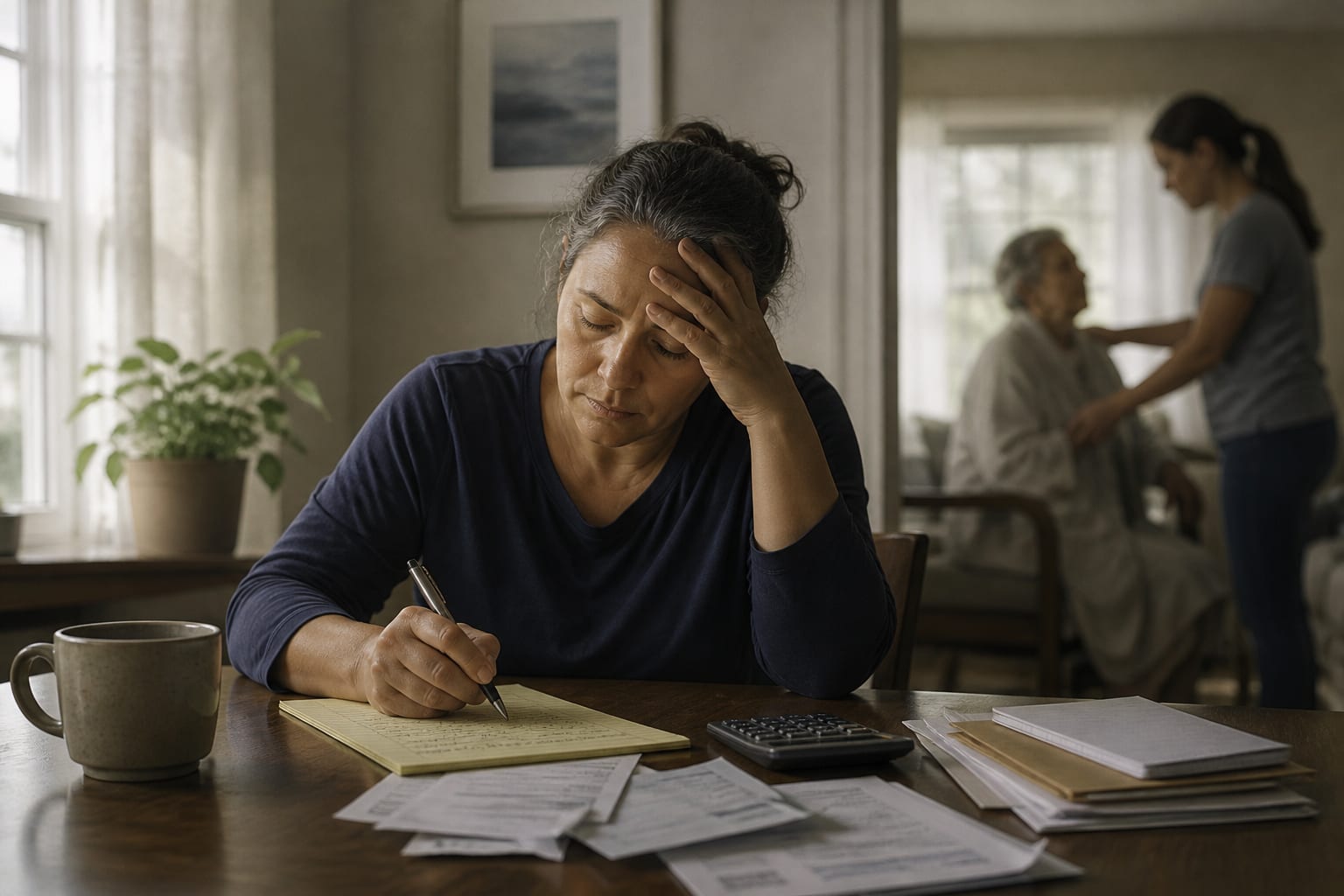
Nearly 3 in 10 U.S. Adults Provided Unpaid Care in the Past Year, With Higher Rates Among Women and Adults Ages 50–64
-
By
-
kffrainl
-
November 19, 2026
Clinical Scorecard: About 3 in 10 U.S. Adults Provided Unpaid Care in the Past Year
At a Glance
Category | Detail |
|---|---|
Condition | Unpaid care for a friend or family member requiring assistance because of aging, disability, or a chronic condition |
Key Mechanisms | Caregivers reported tasks including housekeeping, shopping, meal preparation, managing medical care, managing finances, making medical-care decisions, and providing physical care. Reported effects included stress or worry, declines in health, and financial strain. |
Target Population | U.S. adults who provided unpaid care in the past 12 months to a friend or family member requiring assistance because of aging, disability, or a chronic condition |
Care Setting | National survey of U.S. adults; findings describe caregiving activities and reported effects, not a clinical care setting. |
Key Highlights
Twenty-nine percent of U.S. adults reported providing unpaid care in the past year; 57% of caregivers were women and 42% were men.
Caregivers provided a median of five hours of care weekly; 23% spent more than 15 hours per week.
Overall, 66% of caregivers reported stress or worry, 35% reported worse mental health, 29% worse physical health, and 25% financial strain.
Among caregivers providing more than 15 hours weekly, 81% reported stress or worry, 51% worse mental health, 47% worse physical health, and 41% financial strain.
Common tasks included housekeeping, grocery shopping, or meal preparation (70%) and managing medical care (51%).
Guideline-Based Recommendations
Diagnosis
The survey describes unpaid caregiving and its reported effects; it does not establish a clinical diagnosis or assess caregivers using diagnostic criteria.
Caregiving status can be identified by asking whether someone has provided unpaid assistance to a friend or family member because of aging, disability, or a chronic condition.
Management
The survey reports caregiving activities and effects but does not evaluate or recommend specific interventions or treatments.
Caregivers reported a range of responsibilities, including household tasks, shopping, meal preparation, medical-care management, financial management, decision-making, and physical care.
Monitoring & Follow-up
The survey reports caregiver experiences over the previous 12 months and does not describe a clinical monitoring or follow-up protocol.
Reported effects included stress or worry, worse mental and physical health, and financial strain; these were more commonly reported by caregivers providing more than 15 hours of care weekly.
Risks
Caregivers reported stress or worry (66%), worse mental health (35%), worse physical health (29%), and financial strain (25%).
Among caregivers providing more than 15 hours of care weekly, reported effects were higher: 81% reported stress or worry, 51% worse mental health, 47% worse physical health, and 41% financial strain.
Patient & Prescribing Data
The survey included 25,873 U.S. adults, including 8,209 who reported providing unpaid care in the previous 12 months.
The article reports survey findings and does not evaluate treatments or prescribing.
Clinical Best Practices
Interpret these findings as self-reported survey results about caregiving activities and experiences, not as clinical outcomes or treatment evidence.
Consider caregiving hours and reported effects when describing caregiver experiences; the survey found higher reported burdens among those providing more than 15 hours of care weekly.
The survey does not provide clinical guidance or establish specific best practices for caregiver assessment or care.
Related Resources & Content
KFF Survey of Health Access and Caregiving
Based on findings from:
About 3 in 10 Adults Have Provided Unpaid Care to a Friend or Family Member in the Past Year, Including Higher Shares of Women and People Ages 50 to 64
kffrainl. Kaiser Family Foundation, 2026.
https://www.kff.org/public-opinion/about-3-in-10-adults-have-provided-unpaid-care-to-a-friend-or-family-member-in-the-past-year-including-higher-shares-of-women-and-people-ages-50-to-64/
This content is an AI-generated, fully rewritten summary based on a published scholarly article. It does not reproduce the original text and is not a substitute for the original publication. Readers are encouraged to consult the source for full context, data, and methodology.